Map the Air Path First
A house fresh air system is an air path. Start with where fresh air enters. Then mark the rooms that need supply air. Mark the rooms that send air out. Last, mark how air moves between rooms. This simple map helps the team see the real task. A house fresh air system may serve one room or many rooms. The longest duct run often needs close review. The most tight grille can also affect the fan duty.
For each house fresh air system, name the intake point. Name the supply rooms. Name the extract rooms. Name the outlet point. This house fresh air system map gives the installer a clear way to check the route before equipment is chosen. Keep a copy with the project file.
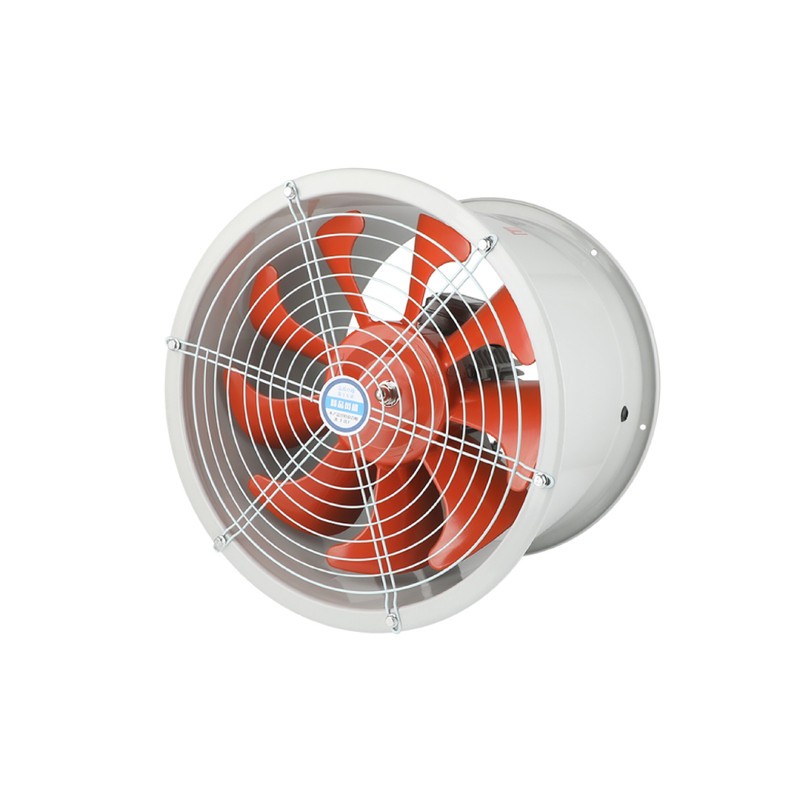
Do not choose a fan by size alone. First decide if the job needs supply air, extract air, or both. A house fresh air system may need two paths. It may use one fan for supply and one fan for extract. It may also need a filter box, a control, and room terminals. The current catalog choices are axial fan products. They are the closest published choices. They are not proof that each is a full home unit.
Set the Airflow Need
For each house fresh air system, list the room size and room use. A bath, kitchen, laundry room, and living room may not need the same air plan. Use the project design rules to set the airflow need. Do not copy a fan size from a different house. A house fresh air system should match the real building and real use.
For a house fresh air system review, make a room-by-room list. Put the airflow need beside each room. Put the planned supply or extract point beside it. This house fresh air system list helps the team see if one zone has been missed. It also makes later changes easier to check.
- Write down the length, width, and height of each room.
- Mark each supply point and each extract point on the plan.
- State if the house fresh air system runs all day, by timer, or when a sensor calls for it.
- Tell the supplier if the fan brings air in, sends air out, or does both through separate parts.
These facts help the first fan review. They also help the project team find missing paths. A house fresh air system cannot move air well if doors, halls, or transfer grilles block the route. Keep the plan clear and simple. Give the supplier a copy of the plan with the inquiry.
Check the Duct Load
A house fresh air system can lose pressure in every part of the duct run. Long ducts add load. Small ducts add load. Bends, filters, dampers, grilles, and branch links add load too. The fan must work at the load found in the real layout. A free-air rating does not show the full result after installation.
For a house fresh air system, note every part that adds load. Count each bend. Mark each filter. Mark each grille. Mark each branch. This house fresh air system record gives the supplier a better starting point than a fan size alone. It can also show where a simple layout change may help.
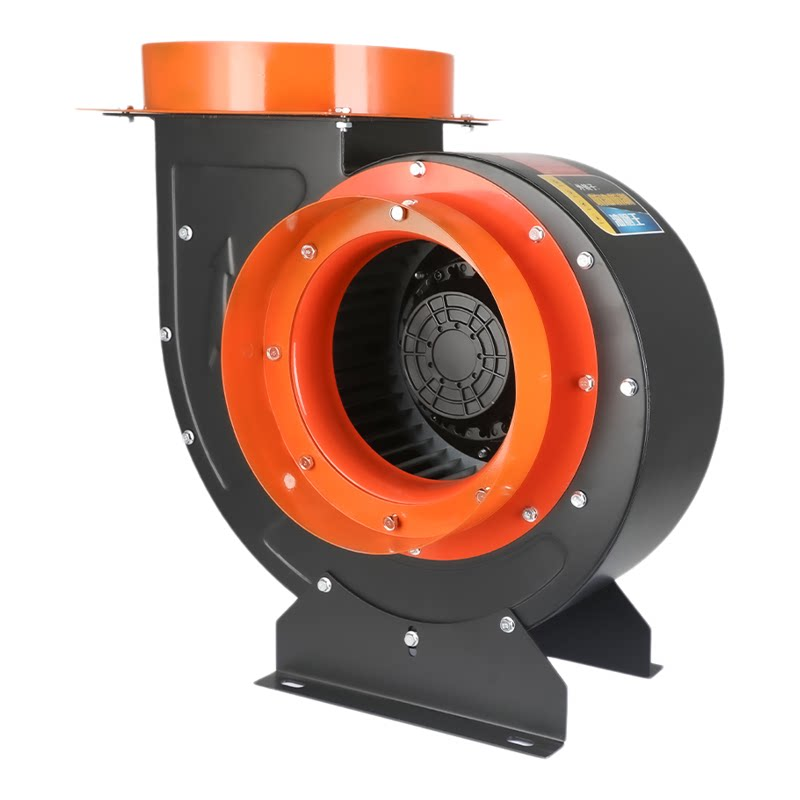
Write down duct sizes and run lengths. Count the bends. Mark filter and grille sites. Add the fan mount point. These notes help the supplier discuss static pressure with airflow. If the duct load is high, compare the right fan type. The selected variable data says a multi-wing centrifugal fan can suit long ducts and higher-resistance systems. That does not mean every house fresh air system needs a centrifugal fan. It means the air path should guide the choice.
Use the Product List With Care
The three listed products have different published uses. The 304 stainless steel axial fan is listed for drying rooms. The aluminum blade axial fan is listed for tobacco curing. The portable axial flow fan is listed for temporary work in confined spaces. A house fresh air system is not the same as those uses. The list shows the closest available catalog coverage. It does not state that each model fits a fixed house job.
When reviewing a house fresh air system product, compare its stated use with the planned site. Check its mount, power, duct link, and service access. A house fresh air system may need another fan type if the duty or duct load does not fit. Ask for a model discussion before buying.
Ask how the fan will mount. Ask about the power supply. Ask if the site is dry, wet, hot, or outdoors. Ask how the fan can be reached for service. Ask what noise limit the project has. If the house fresh air system needs energy recovery, humidity control, or balanced controls, list that need in the inquiry. Those features are not shown in the selected product records.
Send Clear Project Details
A good inquiry gives the supplier useful facts. For a house fresh air system, include the floor plan, room list, target airflow, duct sketch, power supply, and fan location. Include photos if this is a retrofit. State the indoor or outdoor condition. State any heat or moisture issue. ZICHENG site data says its team can discuss airflow and static pressure sizing, model choice, material, and voltage. The project team should still check the final choice against the site plan and local rules.
Before sending a house fresh air system inquiry, check that the plan shows all rooms and all duct sections. State what result the house fresh air system must support. A complete inquiry helps the first reply focus on the real duty. It also gives the buyer a clear record for the next design step.

 EN