Fresh Air System for House | Selection Guide

Get a Free Quote

Our representative will contact you soon.
Email
Mobile/WhatsApp
Name
Company Name
Message
0/1000
Fresh Air System for House Selection Guidance

Fresh Air System for House Selection Guidance

A fresh air system for house needs a clear air path. It must bring outdoor air to the rooms in the plan. It also needs a route for air to leave or return. A fresh air system for house is not selected by a free-air rating alone. Duct length, bends, grilles, and filters can change the fan duty point. For a fresh air system for house, record the room size, duct route, power supply, and site conditions before asking for a product review. ZICHENG makes axial and centrifugal fan products. Its listed products are industrial items, not a ready-made home package. A fresh air system for house may need other parts selected by the project team. Send the airflow need, static pressure estimate, layout, and installation conditions for a model discussion and quote.
Get A Quote

Manufacturer Context for Ventilation Projects

Supplier context for early equipment selection.

Direct Fan Manufacturing

Taizhou Zicheng Electromechanical Co., Ltd. is a manufacturer, not a trading company. It has direct factory production capability for the fan products it offers. This gives buyers a direct source for product and application discussions.

Multi-Type Fan Portfolio

The portfolio covers axial fan types and centrifugal fan types, including CF-11 and 11-62 models, plus PCF smoke-exhaust fans. This can help when a project needs different fan types in different zones.

Related products

Check Resistance Before Fan Size

Check Resistance Before Fan Size

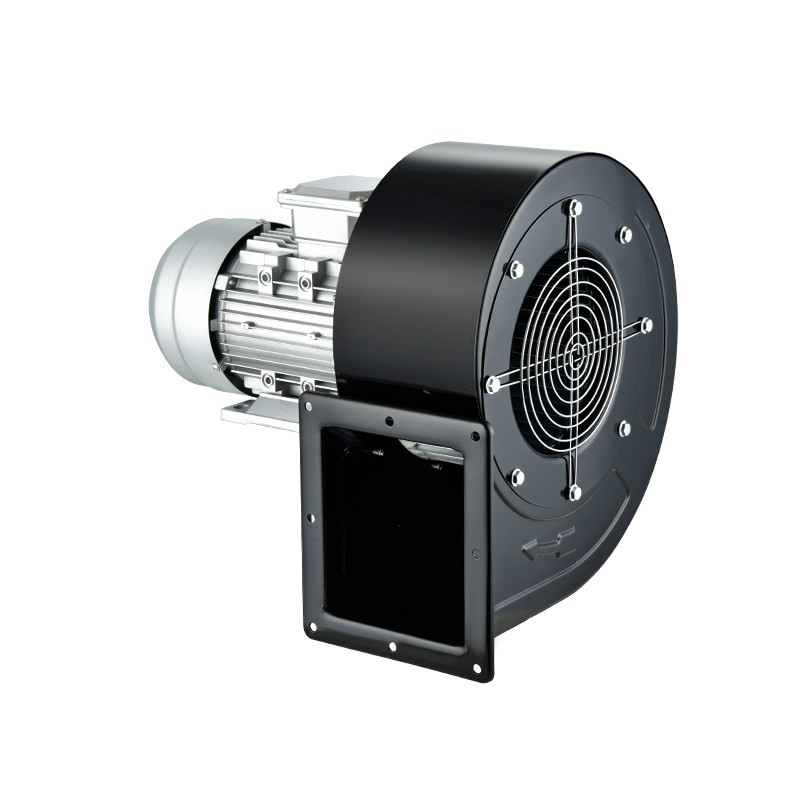
A fresh air system for house needs more than a high airflow figure. Ducts, bends, filters, grilles, and transitions add resistance. A fresh air system for house should therefore use a duty point that states airflow and static pressure. If the route has high resistance, a centrifugal option may need review instead of an axial fan.

Set the Goal First

A fresh air system for house starts with the job it must do. It may add outdoor air to rooms that feel stale. It may replace an old fan. It may serve one area during a renovation. Each use needs a different plan. For a fresh air system for house, list the rooms, the use of each room, and the times when people use them. Say if the goal is supply air, exhaust air, or both. This simple brief gives the project team a useful first step.

A fresh air system for house is also a system question, not just a fan question. The products on this page are industrial ventilation products. They are not a claim that one item is a full home package. A fresh air system for house may need ducts, grilles, filters, controls, and other parts chosen for the site.

Map the Air Path

For a fresh air system for house, draw a simple plan. Mark room size, ceiling height, doors, and wall openings. Mark the air intake and the point where air leaves. A fresh air system for house needs a path between these points. Air that enters one room needs a way to move through the space. It should not be assumed that air will reach all rooms on its own.

  • State if the fresh air system for house is new, a replacement, or an upgrade.
  • Name the rooms served by the fresh air system for house.
  • Show the intake and discharge points for the fresh air system for house.
  • State if the fan is wall mounted, roof mounted, duct connected, or used for short-term work.

These facts help a supplier discuss a fresh air system for house without guessing the layout. They also help the installer see access and mounting limits before a product is chosen.

Use Airflow and Pressure Together

A fresh air system for house should not use free-air flow as its only guide. Long ducts, sharp bends, filters, grilles, and changes in duct size all add resistance. The real airflow of a fresh air system for house depends on the whole route. Ask for airflow and static pressure to be reviewed together.

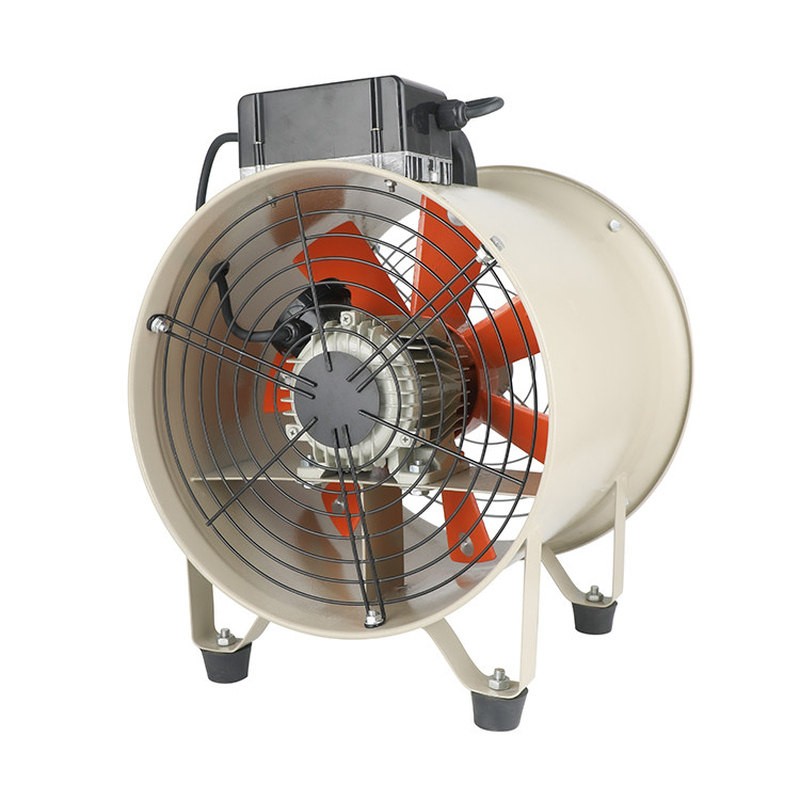
For a short and open route, an axial fan may be reviewed if its published data fits the job. For a long or tight route, a fresh air system for house may need a different fan type. ZICHENG offers axial and centrifugal fan types. The best way to start is to send the duct sketch and known resistance, not to select the largest listed airflow figure.

Check the Site Conditions

A fresh air system for house also depends on the site. Confirm the voltage, indoor or outdoor location, moisture, ambient temperature, and access for service. If the fresh air system for house uses a filter, state its type and the planned cleaning or change schedule. A loaded filter can raise resistance. The intake point should also be considered with nearby discharge points and site conditions.

The available products have specific published uses. The 304 Stainless Steel Axial Fan 200°C for Drying Rooms is listed for high-temperature drying. The Aluminum Blade Axial Fan 39,000 m³/h for Tobacco Curing is listed for tobacco curing. The Portable Axial Flow Fan 10,000 m³/h for Confined Spaces is for mobile industrial work. A fresh air system for house should use verified product data and the real site conditions, not a keyword match alone. A fresh air system for house also needs a clear service plan for filters and accessible duct parts.

Send a Useful Inquiry

For a fresh air system for house, send the desired airflow, room sizes, duct route, pressure estimate if known, voltage, and site conditions. Add photos or a simple plan when possible. ZICHENG can review the stated duty point against its axial and centrifugal range. A fresh air system for house recommendation should remain based on the details supplied and any final engineering review needed for the installation. A fresh air system for house can then be discussed with the project facts in view.

Fresh Air System Planning FAQ

Common questions for early ventilation equipment selection.

What data helps size a house fresh air system?

For a fresh air system for house, start with room size, ceiling height, the system goal, and the planned air path. Add intake and discharge points, duct length, bends, grilles, filters, and power supply. These facts let the team discuss airflow and static pressure together. A fresh air system for house should be selected from the real layout and project needs, not from floor area alone.
A fresh air system for house works through a duct route, not in free air. Long runs, bends, filters, grilles, and transitions add resistance. They can reduce delivered airflow. For a fresh air system for house, ask for the required airflow at the expected static pressure. This helps the team review whether the available fan type fits the route before a final choice is made.
No. The listed products are the closest published catalog items. They are industrial ventilation products. They are not presented as a complete, ready-made home package. A fresh air system for house may need other parts and a site-specific design beyond the fan. Send the installation facts so the supplier can discuss the available equipment range and its published data.
For a fresh air system for house, provide airflow needs, room size, a duct sketch, static pressure if known, voltage, installation place, and site conditions. State if the work is for supply, exhaust, replacement, or short-term ventilation. This gives a better start for an axial or centrifugal fan review. It also avoids treating one general fan rating as a final fresh air system for house configuration.

Related article

How to eliminate fan blower vibration during ventilation duct installation work?

24

Oct

How to eliminate fan blower vibration during ventilation duct installation work?

Identifying Root Causes of Fan Blower VibrationMechanical Imbalance and Bearing Degradation in Fan BlowersMechanical imbalance—often caused by dirt, ice, moisture, or blade damage—alters mass distribution in the rotating assembly, generating a domina...
View More
Centrifugal blower noise reduction modification meets indoor workplace standards.

25

Oct

Centrifugal blower noise reduction modification meets indoor workplace standards.

Understanding Centrifugal Blower Noise Sources and Workplace ImpactAerodynamic, mechanical, and structural origins of centrifugal blower noiseCentrifugal blower noise arises from three interdependent sources: aerodynamic, mechanical, and structural. ...
View More
How to Choose the Right Aquaculture Aerator for Your Fish Farm (2026 Buying Guide)

14

Sep

How to Choose the Right Aquaculture Aerator for Your Fish Farm (2026 Buying Guide)

Paddle wheel, impeller or vortex? Learn how to size a pond aerator, cut energy costs and find a reliable aquaculture aerator manufacturer for your farm.
View More
Industrial Ventilation Fan Selection Guide: Axial vs Centrifugal vs Mixed Flow

14

Sep

Industrial Ventilation Fan Selection Guide: Axial vs Centrifugal vs Mixed Flow

Compare axial, centrifugal and mixed flow industrial ventilation fans by pressure, airflow and noise, and learn how to buy direct from a factory.
View More

Get a Free Quote

Our representative will contact you soon.
Email
Mobile/WhatsApp
Name
Company Name
Message
0/1000