Set the Fresh-Air Duty
A fresh air exchange system can bring outside air in, send used air out, or help both paths. Start by saying what the fresh air exchange system must do at the work area. A drying room, shed, shop, farm site, and closed work zone may all need new air. Yet each has a different air path. State if the fresh air exchange system is for supply, exhaust, mixing, or short-term use. Say if it must use a duct, wall hole, louvre, or portable duct.
Give the room size, desired air flow, run time, room heat, moisture, power, and access limits. These facts help with a fresh air exchange system choice. They also stop a buyer from choosing only by the largest fan. If a site has a rule for safety or code, the project team should check the right rule and match the fresh air exchange system to it.
Trace the Real Air Path
A fan rating is only one part of a fresh air exchange system. The air at the work point can drop when the path has long duct runs, sharp turns, filters, dampers, grilles, or a tight outlet. Low flow often comes from a poor match between the fan and duct drag. It does not by itself show a fan fault.
- Draw the duct path. Note the length, size, bends, filters, and end parts.
- Say if the fresh air exchange system must pull air, push air, or do both.
- Ask for air flow and static pressure at the same work point.
- Plan room for checks, mounts, and safe service around the fan.
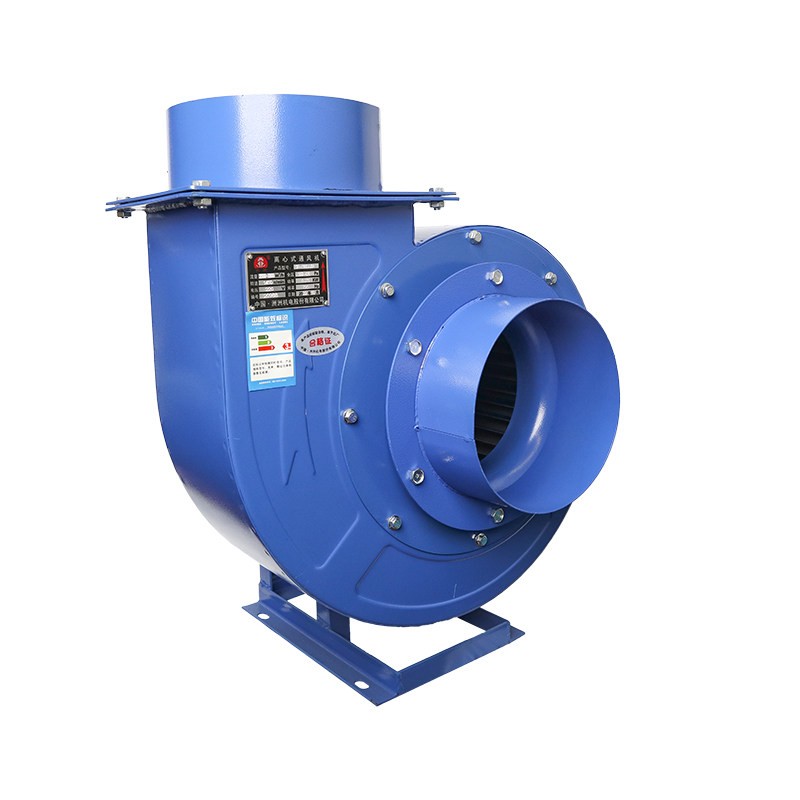
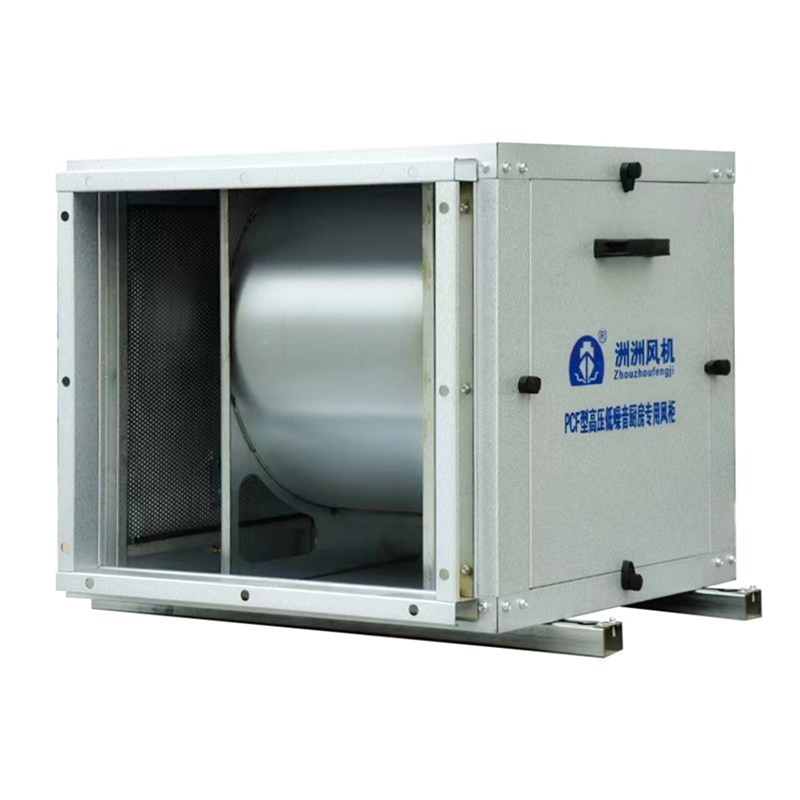
For a short and open path, an axial fan may suit a fresh air exchange system. A long or tight path may need a design with more pressure. This is not a fixed rule. The right choice depends on the duct drag and the flow the site needs.
Use Product Facts With Care
The listed products are close catalog choices. They are not proven packaged fresh air exchange systems. The 304 Stainless Steel Axial Fan 200°C for Drying Rooms is a choice for the recorded high-heat drying use. Its record lists steel build, 2,100 to 39,000 m³/h air flow, and 220V or 380V power. Check site heat, moisture, and the fresh air exchange system layout before you pick a model.
The Aluminum Blade Axial Fan 39,000 m³/h for Tobacco Curing is a high-flow axial choice for a drying use. Do not select it only by its top catalog flow. The Portable Axial Flow Fan 10,000 m³/h for Confined Spaces is for mobile work and can use telescopic air ducts in its product record. It may help a short-term fresh air exchange system task. It is not a stand-in for a fixed building system when the site needs a full design.
Check the Site Conditions
Heat, damp air, rust risk, dust, and access all affect a fresh air exchange system. A fan that works in a dry room may not fit a hot or wet work zone. A portable setup also needs a firm place, a good duct link, and a planned outlet. The site engineer or safety lead should check these points.
Check that the fresh air exchange system intake and outlet do not send air straight back to each other. After fit-up, check if air reaches the needed zone. Weak air at the far end may mean the air path needs work. A higher nameplate flow alone may not fix it.
Send a Clear Inquiry
For a fresh air exchange system quote, send the use case, room size, needed flow, duct sketch or photos, duct length, bends, room heat, power, and material needs. List each zone on its own. This helps compare axial, centrifugal, and portable fan choices by their real jobs. Taizhou Zicheng Electromechanical Co., Ltd. can discuss the shown fan types from the site facts you provide.
Fresh-Air Review List
- Fresh air exchange system: check air intake.
- Fresh air exchange system: check air outlet.
- Fresh air exchange system: check duct size.
- Fresh air exchange system: check duct length.
- Fresh air exchange system: check duct bends.
- Fresh air exchange system: check filters.
- Fresh air exchange system: check dampers.
- Fresh air exchange system: check grilles.
- Fresh air exchange system: check room heat.
- Fresh air exchange system: check moisture.
- Fresh air exchange system: check power.
- Fresh air exchange system: check fan mounts.
- Fresh air exchange system: check service space.
- Fresh air exchange system: check air direction.
- Fresh air exchange system: check site access.
- Fresh air exchange system: check discharge path.
- Fresh air exchange system: check work zone flow.
- Fresh air exchange system: check final setup.

 EN