Start With the Work Task
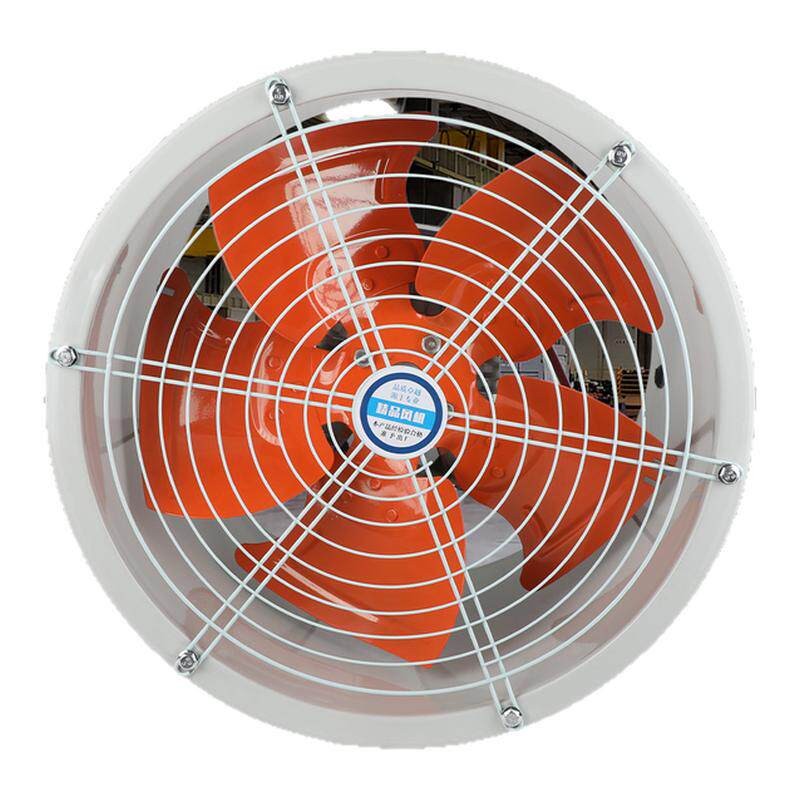
A portable blower can mean different things at different sites. One team may need a portable blower for a short repair job. Another may need a portable blower for a work area with no fixed duct. Write down the task before you compare models. State if the unit must add fresh air, remove air, help a drying task, feed an aeration tank, or push air through ducts. The Portable Axial Flow Fan is the main portable blower option in this product set. Its record says it can work with telescopic air ducts.
Set the portable blower where air can enter and leave without a block. Plan the air path before the job starts. Check where the duct will enter the space. Check where the air will leave. Keep people and work gear out of the main air path. A portable blower is a product choice, not a full site plan. For work with safety rules, use the site plan and the rules that apply to the job.
Check Airflow and Duct Resistance
Airflow is only one part of a portable blower choice. The axial product lists models from about 3,000 to 10,000 m³/h. More airflow is not always the best fit. Ducts, bends, grilles, and filters add resistance. That can lower the air that reaches the work point. Give the supplier the duct size, total length, bend count, and any filter or outlet part. This makes a portable blower check more useful.
- For a temporary portable blower job, note the space size and the air path.
- For a ducted portable blower job, note the duct size, length, bends, and fittings.
- For a process line, state if airflow needs change during the work cycle.
- For a replacement portable blower, send the old fan nameplate and a photo of the site.
Choose the Right Product Type
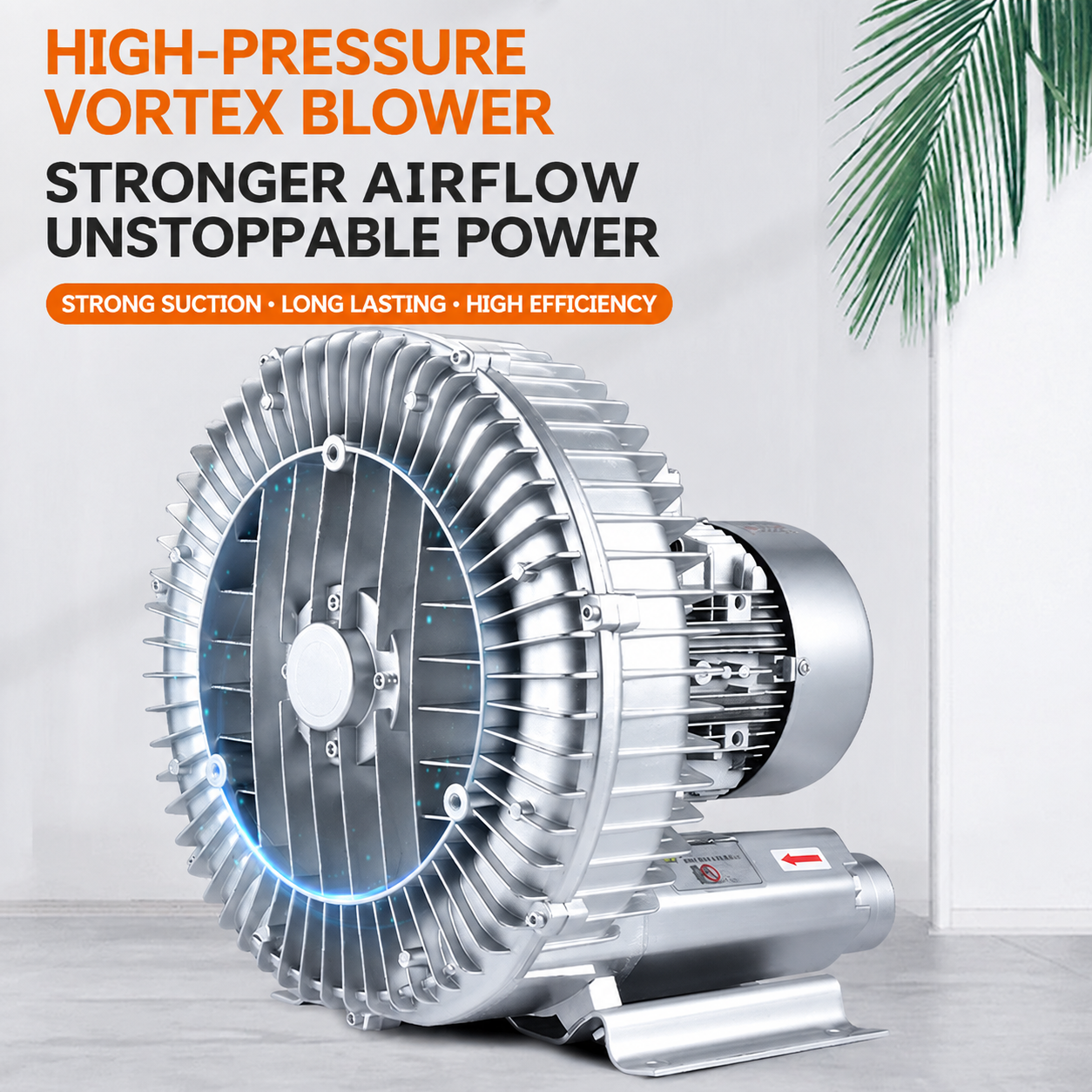
Not every listed product is a portable blower. The Aluminum Blade Axial Fan is listed for tobacco curing and high-volume drying. Its listed airflow reaches 39,000 m³/h. It should be checked for a drying-air task, not assumed to be a handheld unit. The Oil-Free Aluminum Alloy Vortex Blower is for aeration and process air. Its record lists a maximum pressure of 90 kPa and both blowing and suction use. It may fit a clean-air process, but the full load still needs review.
The 9-19 High-Pressure Centrifugal Fan is for a duct system with high resistance. Its record lists up to 9,200 Pa. The same record limits the medium to non-corrosive, non-self-igniting air without viscous matter. It also lists a medium limit of 80°C and a particle limit of 150 mg/m³. This fan is not a portable blower substitute just because both products move air. Pick the fan type that matches the duty point.
Send Clear Site Details
Ask about the power at the work point early. The centrifugal fan record lists 380V. Other models may have other power needs. Also share the temperature, dust, humidity, and space around the unit. The portable blower record notes telescopic duct use and a guard. That does not prove fit for every site. Do not assume fit for a special area without a project check.
Use the inquiry form to send the portable blower task, airflow, duct plan, power, and site limits. These facts help separate a portable blower need from a drying, aeration, or high-pressure duct request. They also help the supplier suggest a portable blower model with clear limits.

 EN