Start With the Work Task
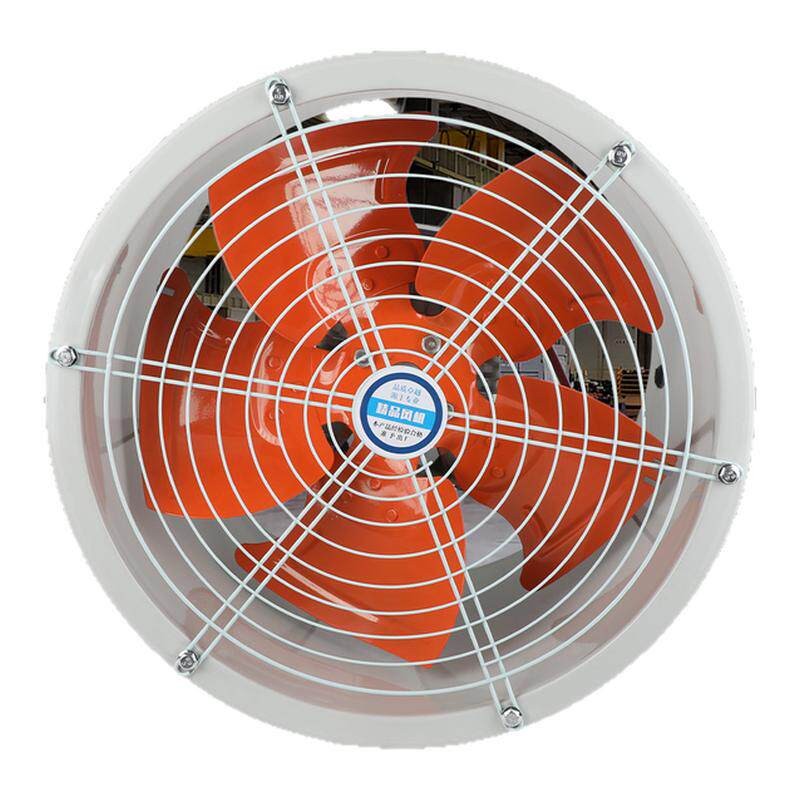
A portable blower can serve different purposes across various sites. One team may require a portable blower for a brief repair task; another may need one for a workspace lacking permanent ducting. Document the specific task before comparing models. Clarify whether the unit must supply fresh air, extract air, assist in drying, feed an aeration tank, or force air through ducts. The Portable Axial Flow Fan is the primary portable blower option in this product range. Its specifications confirm compatibility with telescopic air ducts.
Place the portable blower where air can enter and exit freely, without obstruction. Plan the airflow path before beginning work. Identify where the duct will enter the space. Identify where the air will exit. Keep people and equipment out of the main airflow path. A portable blower is one product selection—not a complete site plan. For tasks governed by safety regulations, follow the official site plan and all applicable job-specific rules.
Check Airflow and Duct Resistance
Airflow is only one factor in selecting a portable blower. The axial product line offers models rated from approximately 3,000 to 10,000 m³/h. Higher airflow is not always optimal. Ducts, bends, grilles, and filters introduce resistance—reducing the actual airflow delivered to the work area. Provide the supplier with duct diameter, total length, number of bends, and any filters or outlet components. This ensures a more accurate and useful portable blower assessment.
- For a temporary portable blower application, record the volume of the space and the intended airflow path.
- For a ducted portable blower application, record the duct diameter, total length, number of bends, and all fittings.
- Pro unam processum lineam, indicare si aeris fluxus mutatio necessaria est durante opus cyclum.
- Pro portabili ventilatore substituendo, mitte vetus fan nameplate et photographiam loci.
Elige rectum producti typum
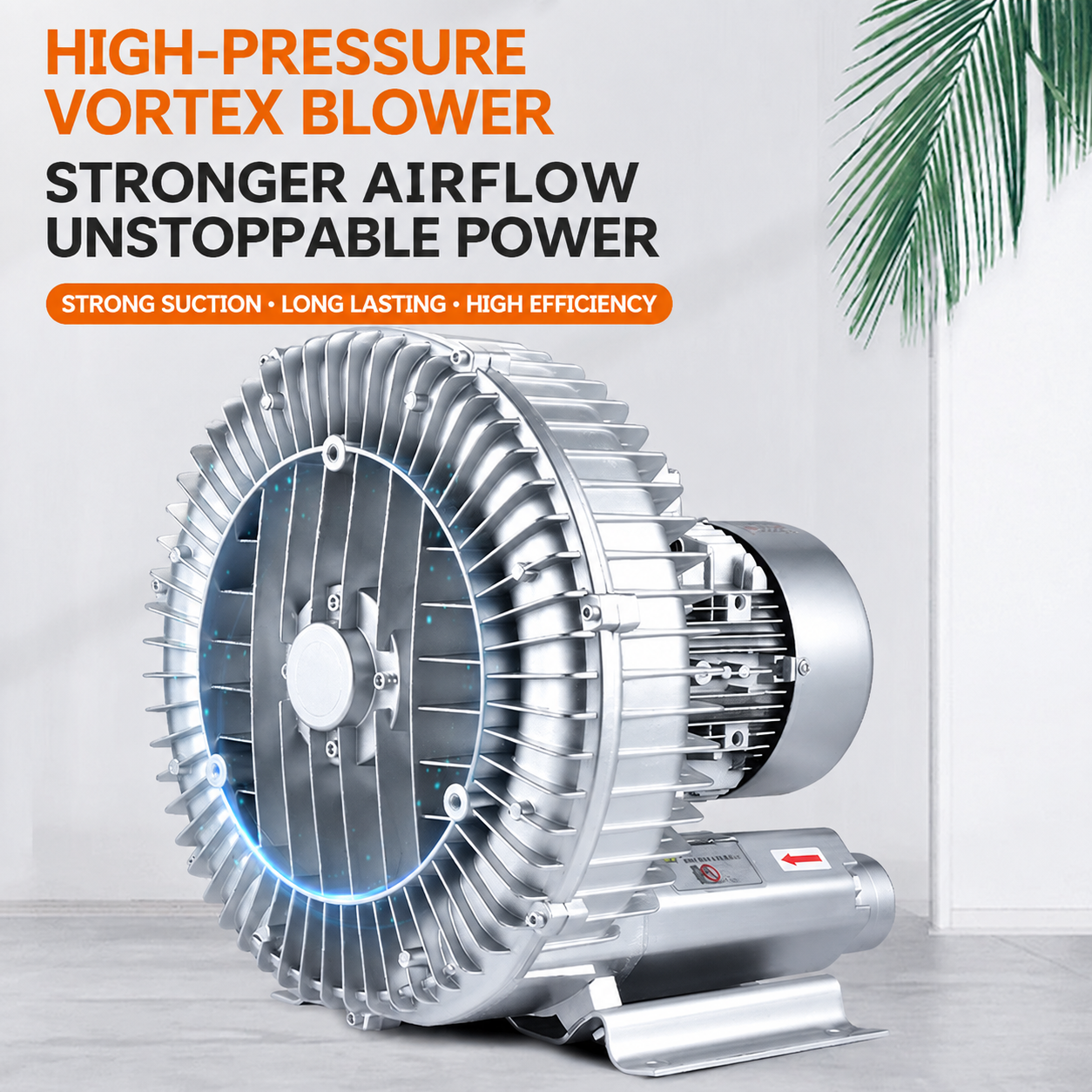
Non omne productum in elenco est portabilis ventilator. Aluminium Blade Axial Fan in elenco est pro tabaci curando et pro aridando magni voluminis. Suus aeris fluxus in elenco attingit 39 000 m³/h. Is examinandus est pro aridando aeris opere, non assumendus esse manu tenendum unitas. Oil-Free Aluminum Alloy Vortex Blower est pro aeratione et pro aeris processu. In eius registro maxima pressio 90 kPa notatur et utraque usus pro efflando et pro aspirando. Is forsan convenit pro processo puri aeris, sed onus plenum adhuc examinandum est.
The 9-19 High-Pressure Centrifugal Fan is for a duct system with high resistance. Its record lists up to 9,200 Pa. The same record limits the medium to non-corrosive, non-self-igniting air without viscous matter. It also lists a medium limit of 80°C and a particle limit of 150 mg/m³. This fan is not a portable blower substitute just because both products move air. Pick the fan type that matches the duty point.
Send Clear Site Details
Ask about the power at the work point early. The centrifugal fan record lists 380 V. Other models may have other power needs. Also share the temperature, dust, humidity, and space around the unit. The portable blower record notes telescopic duct use and a guard. That does not prove fit for every site. Do not assume fit for a special area without a project check.
Ute formam quaestionis ad mittendum munus ventilatoris portabilis, fluxum aeris, schemam ductus, potentiam et limites loci. Haec facta adiuvant ut discernatur necessitas ventilatoris portabilis a petitione siccationis, aerificationis aut ductus altius pressionis. Etiam adiuvant ut suppeditator modello ventilatoris portabilis suggerat cum limitibus claris.

 EN