Set the Duty Point First
A high pressure centrifugal fan blower must fit the system. Start with the air flow needed at the use point. Then find the total static pressure. Do not use duct length alone. Bends, filters, dampers, hoods, and grilles add load. A high pressure centrifugal fan blower can look right in free air but fail to fit the duct load. For a new job, use the duct plan. For a swap, check the live system. Old changes can alter the load. Good high pressure centrifugal fan blower selection starts with these site facts.
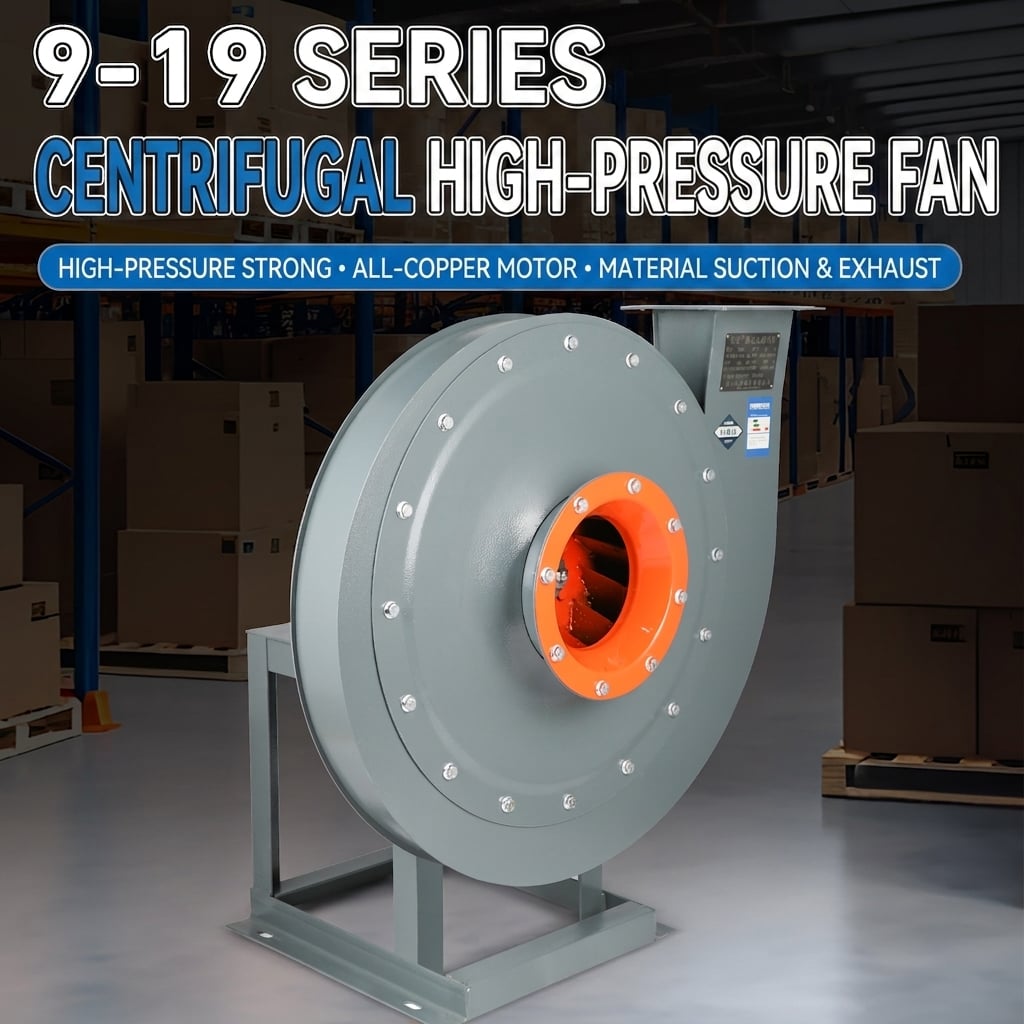
Ask for the curve for the high pressure centrifugal fan blower setup under review. Place the air flow and pressure point on that curve. The 9-19 and 9-26 catalog products list up to 9,200 Pa and up to 7,000 m³/h. The selected 4-72A products list up to 2,500 Pa and up to 20,000 m³/h. A high pressure centrifugal fan blower limit is not a promise for all size and power choices. The curve and the setup still matter.
Use the Right Pressure Class
Long ducts and loaded filters can call for a high pressure centrifugal fan blower. The fan must push air through the full route. A high pressure centrifugal fan blower is not always the right choice for a short air-change duct. Too much fan can add noise and make control hard. The aim is a good fit, not the largest motor.
- Use a high pressure centrifugal fan blower review for long ducts, high load, or air convey jobs.
- Check the 9-19 or 9-26 series when the duty needs the listed high-pressure range.
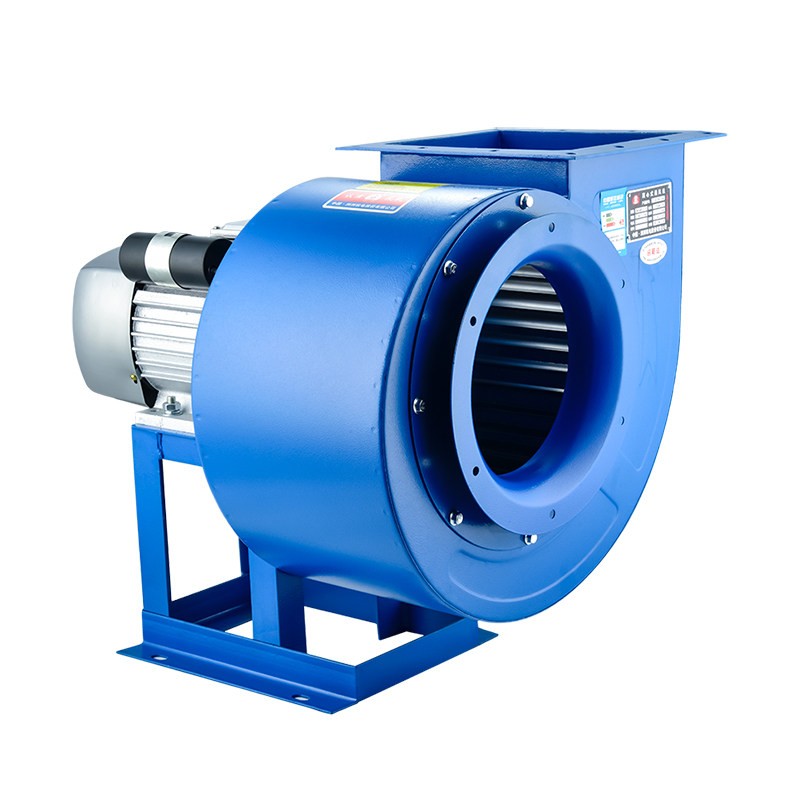
- Check the 4-72A series for a lower-pressure factory or building air job.
- Add both clean and dirty filter load to the high pressure centrifugal fan blower data.
Check Air and Site Limits
A high pressure centrifugal fan blower also has air limits. The 9-19 and 9-26 products are for non-corrosive, non-self-igniting, non-viscous media. Their listed medium heat limit is 80°C. Their listed dust and hard-particle limit is 150 mg/m³. Check these facts at the high pressure centrifugal fan blower inlet. Do not use a room average when the process has hot peaks.
The carbon-steel 4-72A is also for non-corrosive and non-self-igniting gas in its stated range. For wet, salt, or chemical sites, review the 304 stainless 4-72A option. It has a 304 stainless-steel housing. This does not make it fit all gases. Send gas type, heat, dust, and washdown facts for a high pressure centrifugal fan blower material review. This high pressure centrifugal fan blower step helps define the right housing choice.
Plan Power and Mounting
Power, voltage, drive type, spin way, and duct direction affect a high pressure centrifugal fan blower installation. The 9-19 product lists 380 V and 0.75 kW to 30 kW. The 9-26 product lists power options through 30 kW. The selected 4-72A models list A, B, C, and D forms. Check local power and the free space before the high pressure centrifugal fan blower is set.
Plan the base, duct joints, service room, and access too. Use a site sketch or photos when you ask about a high pressure centrifugal fan blower. If flow or load will change, share the full range. That helps the talk go beyond one rated point. A clear high pressure centrifugal fan blower layout can prevent late site changes.
Send Clear Quote Details
Give air flow, static pressure, use case, gas type, inlet heat, dust, voltage, and frequency. Add duct size, space limits, material need, and count. Say if the high pressure centrifugal fan blower will supply air, draw air out, or move material. For a swap, send the old fan label and note the site issue. This lets ZICHENG discuss the most relevant high pressure centrifugal fan blower family and setup.

 EN