Define the Bellows Job
Bellows manufacturing is a broad field. Start with the job of the part. A bellows can take up heat movement. It can limit shake. It can join two duct parts. It can also form part of a sealed line. Each job needs a different design.
Bellows manufacturing needs a full part brief. State if the part is metal, fabric, rubber, or another type. State the size and the end shape. Add a drawing if you have one. State the travel in each direction. State the normal heat and the peak heat. State the pressure and the gas or dust in the line.
Bellows manufacturing also needs site facts. Show where the part will sit. Show nearby supports. Show if the duct can move. Show if the part sees rain, salt, oil, or fumes. A simple drawing can prevent a poor fit. It can also show if a short connector is enough.
Keep the Fan Duty Separate
Bellows manufacturing is not fan selection. A fan moves air. A bellows joins or protects a part of the system. The two can work in one job. Yet they need separate checks. Do not use a fan housing material as proof that a bellows has the same material. Do not use a fan pressure value as a bellows pressure rating.
For the fan, give a duty point. State the airflow needed at the work point. State the static pressure. Show duct length, bends, filters, dampers, and outlets. State the inlet and outlet sizes. State the voltage and run time. These facts help a supplier compare the duty with a fan curve.
For bellows manufacturing, give the same system plan but add the connection load. State the flange or collar size. State the movement that the part must take. State if the line is under pressure or vacuum. State if the media is hot, wet, dusty, or harsh. Do not leave these points to guesswork.
Use the Current Catalog With Care
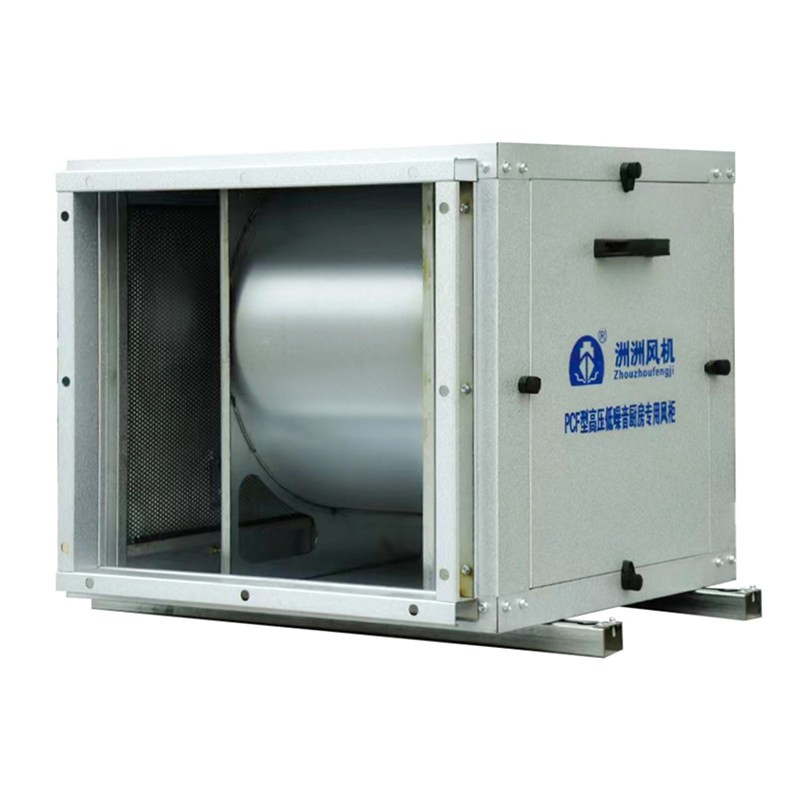
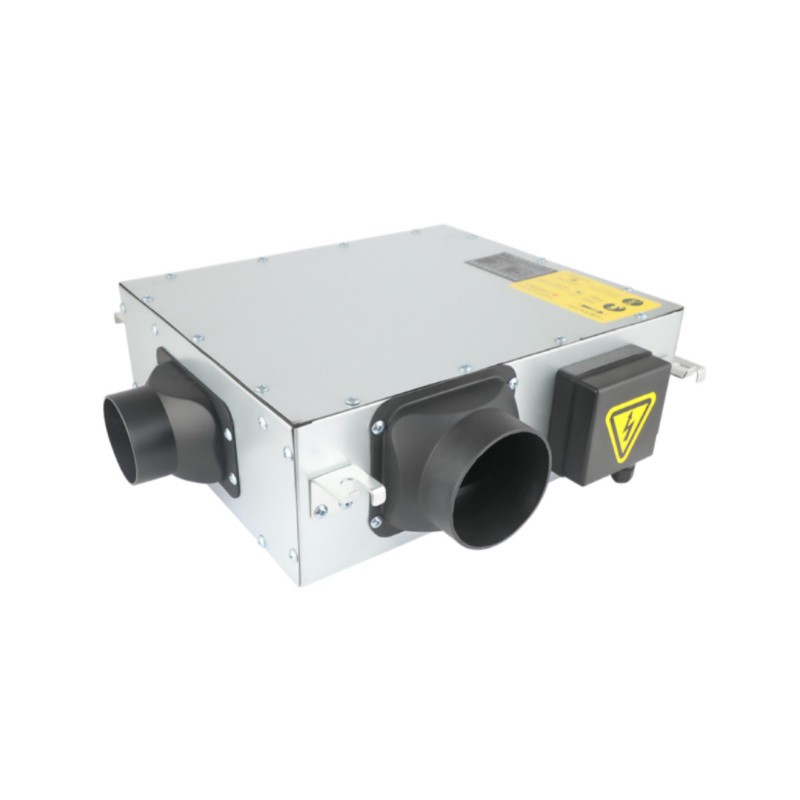
The verified catalog on this site lists fans, not standalone bellows. Bellows manufacturing is therefore a separate scope. The fan records can still help where a project also needs air movement. They should not be read as a promise of a bellows product.
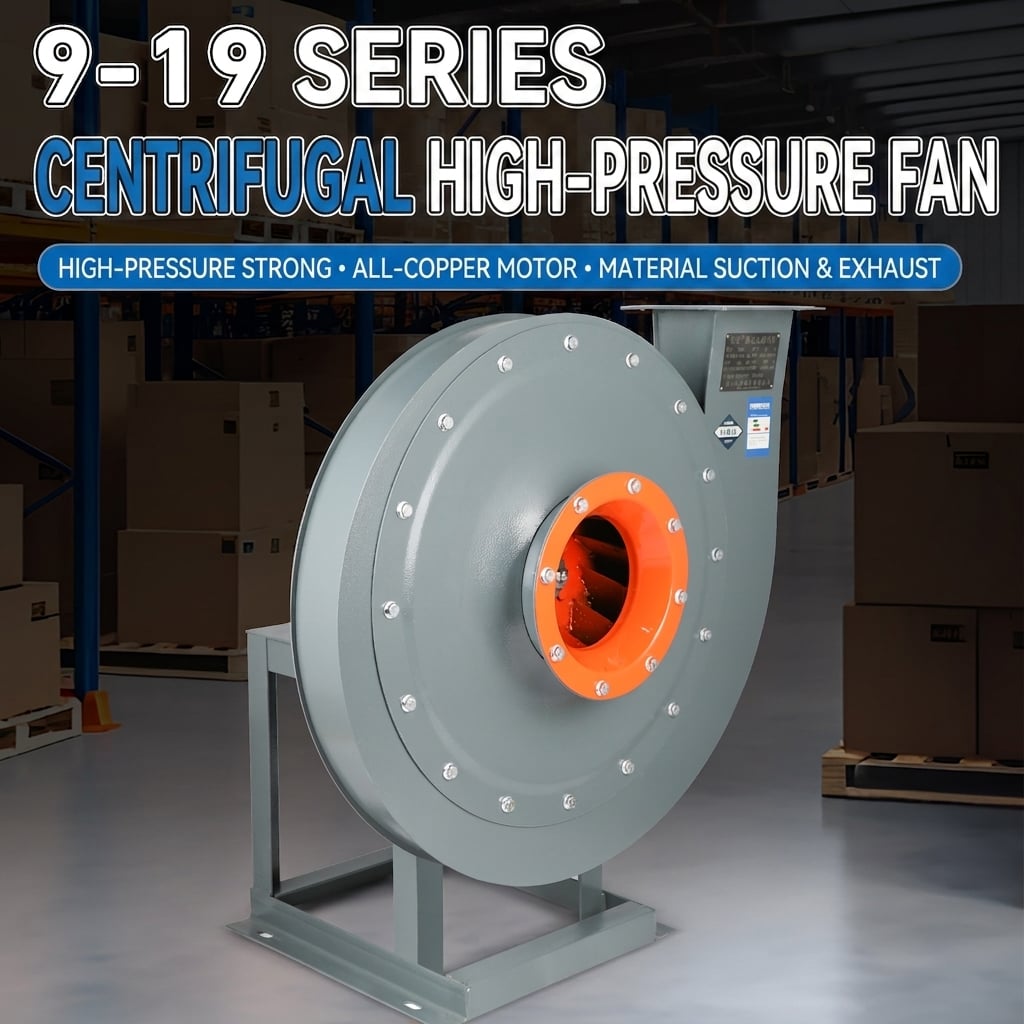
The 9-19 and 9-26 records describe high-pressure centrifugal fan families. Their listed maximum pressure is 9,200 Pa. The carbon steel and 304 stainless 4-72A records list 2,500 Pa. These are fan data points. They are not bellows manufacturing data. They do not set the safe limit of an unknown flexible part.
Use a product record only for the fan part of the project. Check the real duty point, motor supply, layout, and stated use limits. Ask for the fan curve and size drawing for the chosen model. Keep the bellows request on its own drawing and data sheet.
Check the Interface
Bellows manufacturing works best when the interface is clear. Measure both sides of the joint. Check the flange face, bolt pattern, collar length, and clear space. Check the support points. A flexible part should not hide a bad duct line or a missing support.
Bellows manufacturing also needs a movement plan. Heat can change duct length. A fan can add shake. A rigid duct may push load into a connector. State where this movement comes from. State how much travel is allowed. The maker can then assess the requested construction.
For a ducted fan, resistance changes with the system. Bends, filters, and dampers add loss. A dirty filter can add more loss over time. The fan must be checked at the required airflow and system pressure. Peak figures alone do not show the real work point.
Bellows Manufacturing Checks
Bellows manufacturing needs a drawing. Bellows manufacturing needs the material. Bellows manufacturing needs the end detail. Bellows manufacturing needs the movement. Bellows manufacturing needs heat data. Bellows manufacturing needs pressure data. Bellows manufacturing needs media data. Bellows manufacturing needs site data. Bellows manufacturing needs quantity data. Bellows manufacturing needs space data. Bellows manufacturing needs a clear use case. Bellows manufacturing needs support details. Bellows manufacturing needs a joint size. Bellows manufacturing needs a travel limit. Bellows manufacturing needs a review before order. Bellows manufacturing needs a maker to confirm the build. Bellows manufacturing needs a separate check from fan selection. Bellows manufacturing needs the project drawing. Bellows manufacturing needs the correct source. Bellows manufacturing needs clear facts.
Build a Useful RFQ
A good bellows manufacturing RFQ is short but complete. Name the part and the use. Add the drawing. Add the material wish. Add heat, pressure, media, movement, end detail, quantity, and site limits. Ask the bellows maker to confirm the proposed build against these facts.
For the fan RFQ, add airflow, static pressure, gas data, voltage, duct plan, and mounting plan. If both parts are in one job, send one layout drawing. Mark the fan and the flexible joint. This lets each supplier review the correct part of the work.
Bellows manufacturing should stay traceable. The request should show what is known and what still needs review. Zicheng can review the current fan catalog against the fan duty. A separate confirmed source is needed for a standalone bellows requirement.

 EN