Split System Air Handler Fan Selection Guide

Get a Free Quote

Our representative will contact you soon.
Email
Mobile/WhatsApp
Name
Company Name
Message
0/1000
Split System Air Handler Fan Selection Guide

Split System Air Handler Fan Selection Guide

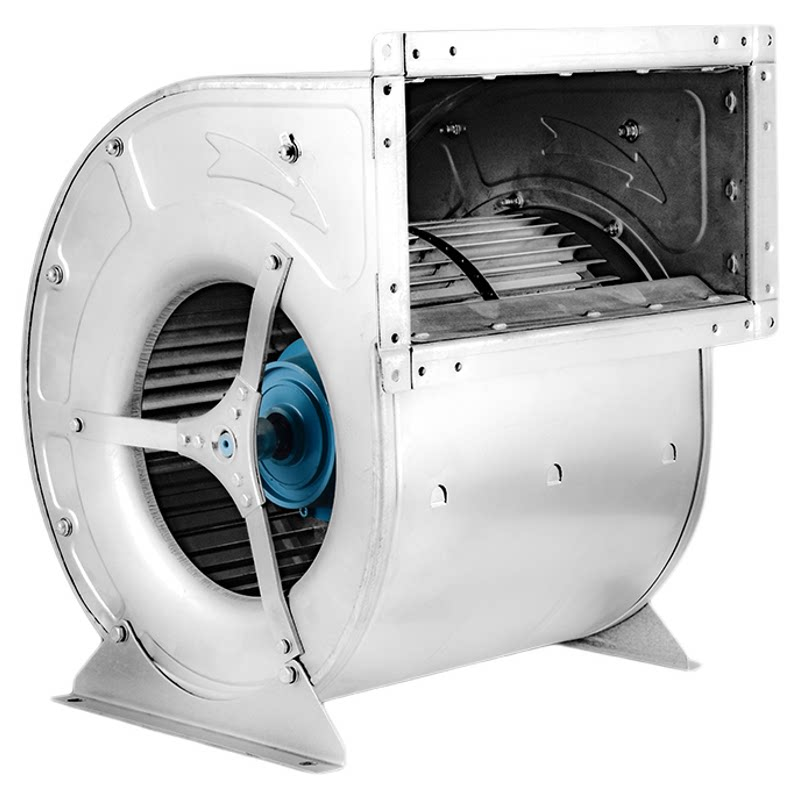
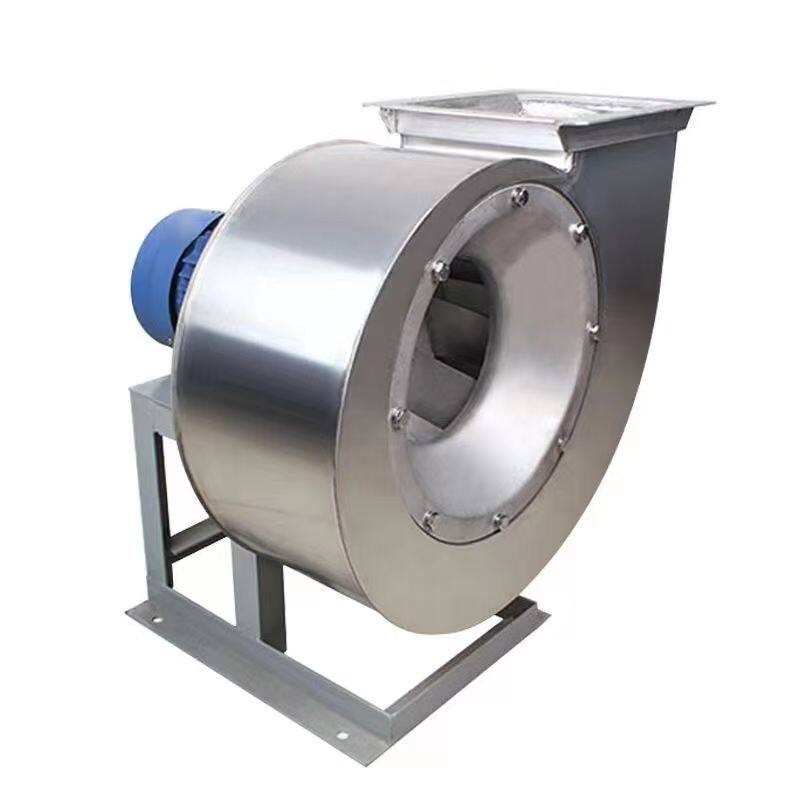
A split system air handler moves air on the indoor side of a ducted HVAC system. A split system air handler may include a cabinet, coil, filter section, drain, controls, and fan. This page explains the split system air handler scope before a buyer reviews the current fan catalog. The listed centrifugal products can move air in a designed duct system. They are not sold here as complete coil-equipped air handlers. Define the airflow, external static pressure, duct route, power supply, inlet air, and service space. Also state who supplies coils, filters, controls, drains, and the cabinet. These facts show whether a catalog fan can be reviewed for the air-moving role in a split system air handler project. Send the duty point and installation details for a fit review and quotation.
Get A Quote

Manufacturer Context for Fan Selection

Use the project specification with verified supplier facts when you review air-moving equipment.

Direct Factory Source

Taizhou Zicheng Electromechanical Co., Ltd. has direct factory production capability for the fan products it offers. Buyers can identify the production source while they qualify equipment for a project.

Axial and Centrifugal Range

The portfolio includes axial fans, centrifugal fans, kitchen exhaust fans, and vortex blowers. The range helps a team compare fan types without treating each type as the same product.

Standard and Custom Options

The company supplies standard and custom fan configurations from the same manufacturing base. A buyer can define the site conditions and then ask about a suitable catalogue or project-specific option.

Related products

Match Pressure to the Duct System

Match Pressure to the Duct System

A split system air handler needs a fan that matches the system curve. Long ducts, turns, filters, grilles, and coils add resistance. The listed centrifugal products can only be reviewed after airflow and external static pressure are known. Coil, drain, filter, cabinet, and control needs still belong to the full air-handler design.

Know the Split System Air Handler Scope

A split system air handler is the indoor part of a ducted heating or cooling system. A split system air handler can include a cabinet, coil, blower, filter access, drain pan, controls, and duct links. The catalog on this page lists centrifugal fans. It does not list a complete split system air handler with a refrigerant coil. This is an important limit. A fan may move air in the system. It does not prove coil fit, refrigerant fit, drain design, or control fit.

For a split system air handler request, write down what the split system air handler must include. Name the supplier for the coil, filter housing, drain pan, casing, dampers, and controls. If you need a full split system air handler, state that need in the request. Do not assume that a fan model contains these other parts.

Set the Duty Point First

For a split system air handler, start the split system air handler review with airflow and external static pressure. Airflow is the air volume needed at the point of use. Static pressure is the force needed to move that air through the system. The 9-19 and 9-26 catalog fans list up to 9,200 Pa. The listed 4-72A fans list up to 2,500 Pa. These values are limits. They do not replace a fan-curve review for a split system air handler.

  • List the airflow for each zone and state if it is supply, return, exhaust, or process air.
  • List duct length, turns, filters, dampers, coils, grilles, and other pressure-loss parts.
  • Confirm voltage, frequency, motor needs, mounting space, and service access.
  • State inlet-air temperature and particle conditions when they apply.

This split system air handler information helps a supplier review a fan for the split system air handler air-moving duty. It avoids a choice based only on a maximum number.

Check the Product Limits

Every split system air handler project and split system air handler installation has its own limits. The 9-19 product is for non-corrosive and non-self-igniting media with no viscous substances. Its listed medium limit is 80°C. Its listed particle limit is 150 mg/m³. The 9-26 product has a similar high-pressure industrial scope. The carbon-steel 4-72A product is for air and gases that are non-self-igniting and non-corrosive to steel. The 304 stainless 4-72A may be reviewed when material choice matters.

Do not apply these fan limits to every split system air handler. A comfort HVAC system may also need coil capacity, moisture control, low sound, refrigerant matching, and service access. Do not use these fans in a corrosive or explosive setting without a project review. The products are fan equipment, not universal indoor-unit replacements.

Review the Duct Route

The split system air handler result for each split system air handler depends on the duct route. Short straight ducts have less loss. Long routes, elbows, filters, and branches have more loss. Include duct size, material, connection direction, and isolation needs in the split system air handler file. State if the work is new, retrofit, or replacement.

For a replacement split system air handler, record the old unit's airflow, pressure, voltage, motor power, mounting, and reason for replacement. For a new split system air handler, send a drawing or duct schedule. This lets the supplier review whether a standard centrifugal configuration can suit the air-moving role. The system designer must still approve the full HVAC design.

Send a Clear RFQ

A split system air handler RFQ for a split system air handler project should state the required airflow, external static pressure, voltage, frequency, inlet condition, duct links, installation setting, material need, and quantity. Also say if the request is for a fan component or a complete split system air handler. Add drawings, photos, or a data sheet when available.

Taizhou Zicheng Electromechanical Co., Ltd. makes axial and centrifugal fan products. It can discuss standard or custom fan configurations. For the listed items, share the real duty point for a split system air handler fan review. If you need a coil-equipped indoor unit, refrigerant match, or controls integration, state that scope at the start.

Split System Air Handler FAQ

Buyer questions about fan components and complete indoor-unit scope.

Is a fan a complete air handler unit?

No. A centrifugal fan is an air-moving component. A split system air handler may also have a cabinet, coil, filter section, drain, controls, and duct links. The selected catalog products are fans. They are not described as a complete split system air handler or complete coil-equipped air handlers. State each required indoor-unit function before you compare equipment. This keeps the split system air handler scope clear and helps avoid a false match between a fan and a full indoor assembly.
Give the airflow and external static pressure first. Then give the duct route, voltage, frequency, inlet-air condition, mounting space, and material needs. List filters, dampers, coils, grilles, and other items that cause pressure loss. A catalog maximum does not prove that a fan meets the working point. This split system air handler data lets a supplier review the air-moving part of a split system air handler project with a defined scope.
The fans may be reviewed for air movement in an engineered industrial or commercial duct system. Each product has its own pressure, material, and medium limits. The products are not presented as complete HVAC indoor units or as direct split system air handler replacements for a complete split system air handler. Confirm airflow, pressure, air conditions, coil requirements, controls, and the full system design before you decide if a selected fan has a suitable role.
Say whether you need a fan component or a complete split system air handler. For a fan review, give airflow, external static pressure, power supply, duct links, inlet condition, site setting, quantity, and drawings. For a full indoor unit, also give refrigerant and outdoor-unit compatibility, coil capacity, filters, drainage, controls, casing, and service access. A clear split system air handler scope supports an accurate first split system air handler technical discussion.

Get a Free Quote

Our representative will contact you soon.
Email
Mobile/WhatsApp
Name
Company Name
Message
0/1000