What a Residential Air Handler Does
A residential air handler is an indoor unit. It moves heated or cooled air through home ducts. A residential air handler may have a blower, coil area, filter slot, controls, drain parts, and cabinet joints. It works with a matched outdoor unit. The right residential air handler fits the whole system. One airflow figure is not enough.
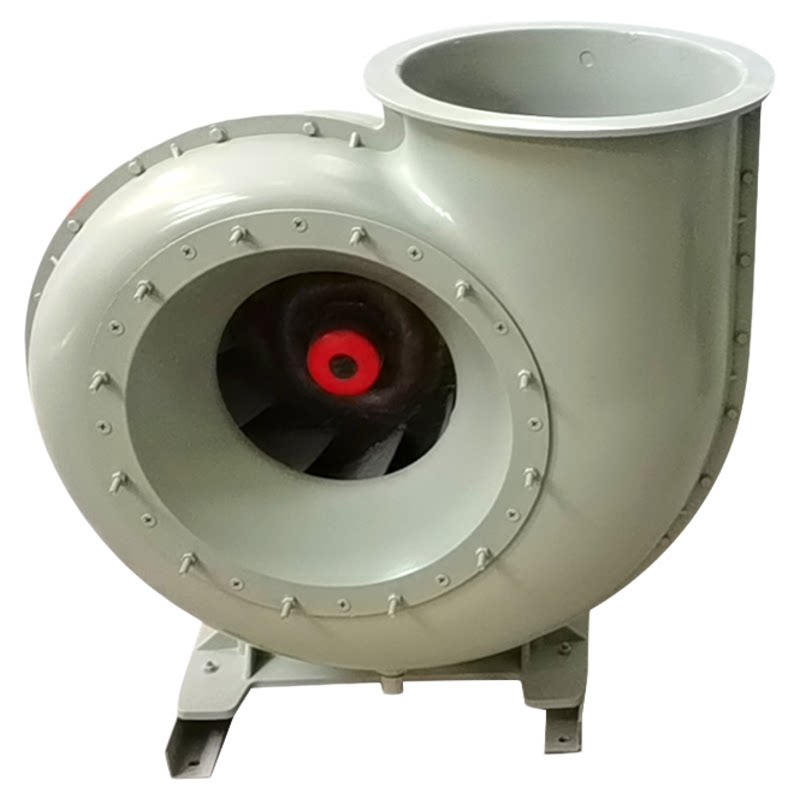
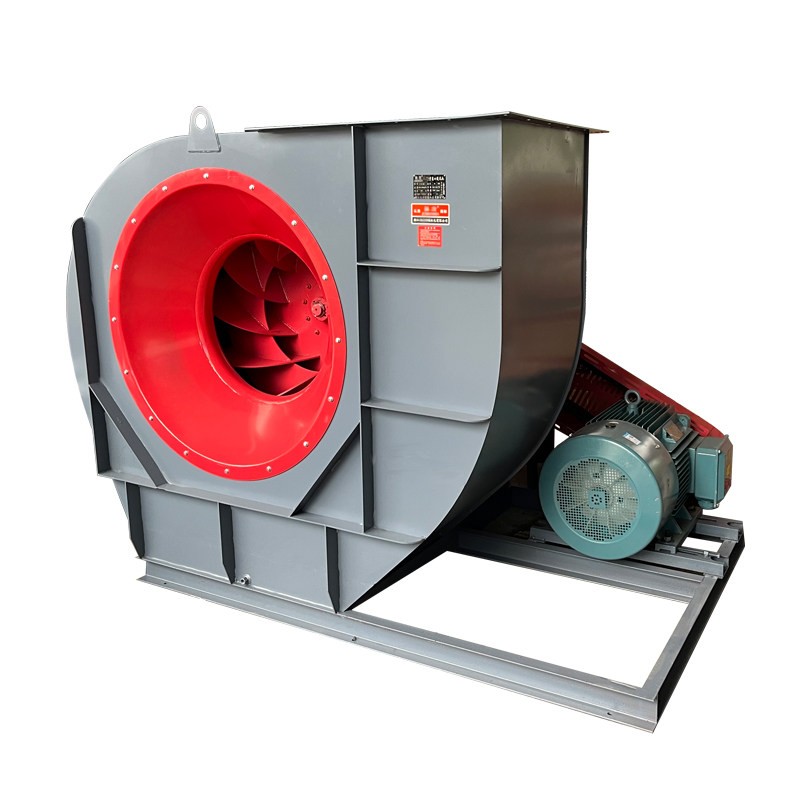
The current catalog does not include a residential air handler. It includes industrial centrifugal fans. A centrifugal fan moves air. It is not the same as a residential air handler. Do not use an industrial fan as a residential air handler. Ask a qualified HVAC person to review the system.
Check Airflow and Static Pressure
Airflow tells you how much air must move. Static pressure tells you how hard the air path is. Ducts add pressure loss. Bends add pressure loss. Filters, coils, grilles, and dampers add pressure loss too. A residential air handler must work at the real system point. A top rating alone does not show how it will work in your ducts.
- Write down the supply and return duct sizes.
- Note duct length, branches, bends, and turns.
- List filters, coils, dampers, and other air path parts.
- Ask which data fits the planned residential air handler job.
- Keep model data and job notes for later service.
For a fan job, ZICHENG asks for airflow, static pressure, and work conditions. That is a good way to start a residential air handler request too. But a home system must use the right home equipment.
Check Fit Before You Replace a Unit
A residential air handler must fit more than the old space. Check the outdoor unit type. Check coil needs and refrigerant type. Check the power supply and thermostat. Check the drain line and duct direction. Check room for service. A residential air handler can look like the old unit but still be wrong for the system.
If details are missing, take photos. Record model numbers. Show the duct joints and drain line. Show the power label if you can do so safely. This gives the HVAC supplier a clear view of the job. It can prevent a poor match.
Plan for Service and the Site
A residential air handler needs room for service. A filter needs room to come out. A coil needs room for care. The panel and drain line need access. A tight space can make basic work hard. Note where return air enters. Note where supply air leaves. Note if the space is hot, cold, damp, dusty, or hard to reach.
For a residential air handler, record moisture, drainage, heat, dust, and vibration. Use equipment made for a home job. Follow local rules. The catalog fans here do not show residential air handler fit. The 4-72A records state limits for industrial air or gas. They list a maximum inlet temperature of 80°C. That does not make them a home air-handler option.
Know the Catalog Boundary
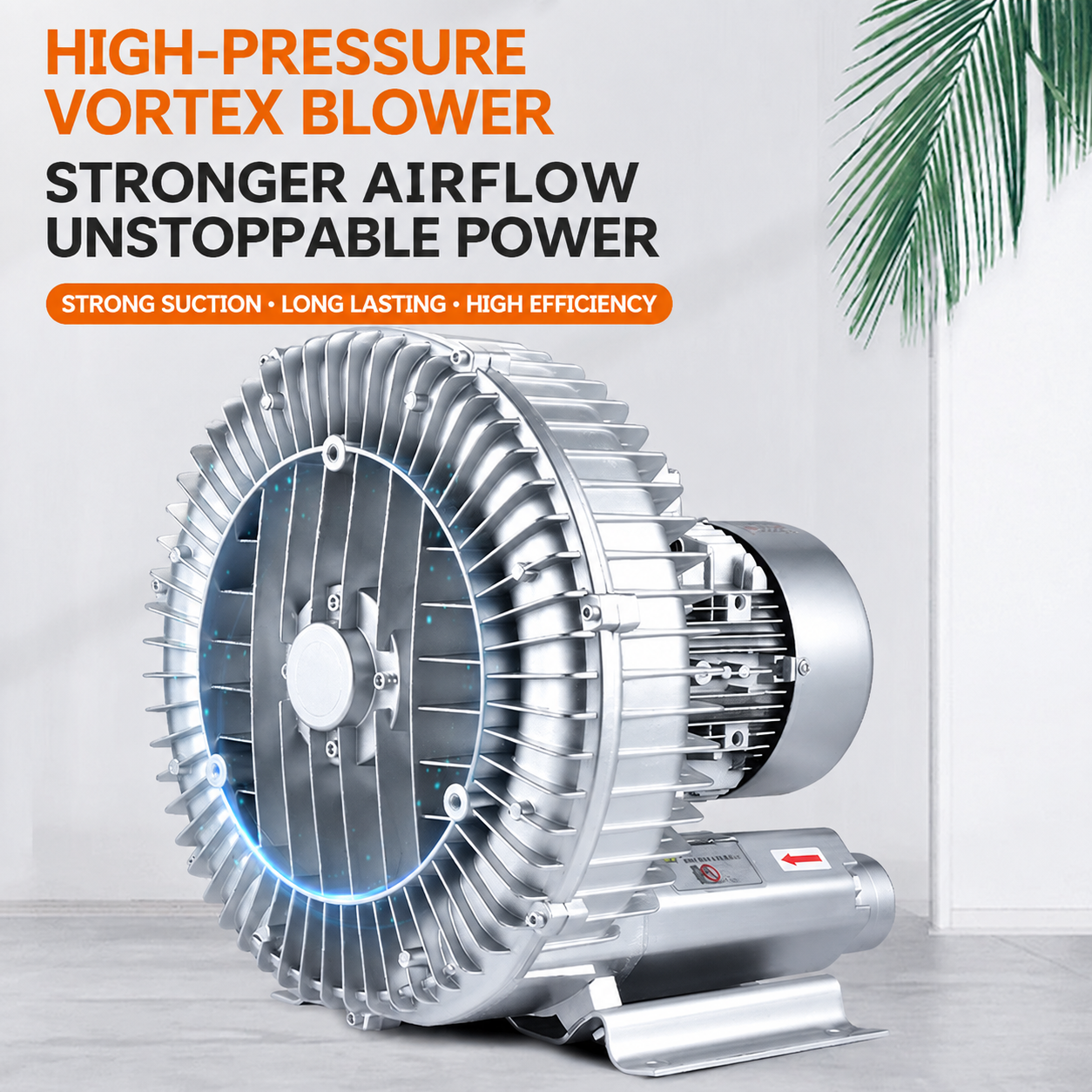
The 9-19 and 9-26 products are for high-pressure industrial ventilation and conveying. The 4-72A products are for factory, large-building, or chemical work. Review them only for a matching fan duty. Do not use their pressure or airflow data as residential air handler data. Do not use their material details as proof of home HVAC fit.
A residential air handler is part of a matched comfort system. An industrial fan is a different product type. Both may move air, but their use, parts, and selection process are not the same. State the job type clearly when you ask for help.
Prepare a Clear Request
For a residential air handler request, give the building location and outdoor-unit model. Give the cabinet size, duct plan, voltage, drain path, and service space. Say if the job is new work or a replacement. Explain comfort issues and name the rooms. Do not size a residential air handler from floor size alone. Duct loss, insulation, heat load, and system layout all matter.
For a separate fan request, give airflow, static pressure, air type, temperature, material need, voltage, mount limits, and duct details. ZICHENG can review fan duties in its published range. For a residential air handler, ask a supplier that offers matched home HVAC equipment.

 EN