Define the Leaf Blower and Vac Need
A leaf blower and vac search can mean more than one thing. A leaf blower and vac is usually a garden tool. A leaf blower and vac can also be a loose phrase for air movement. A homeowner may want a garden tool that blows leaves and then collects them. A plant buyer may need temporary ventilation, local extraction, drying air, or process suction. The ZICHENG range is industrial equipment. It is not a consumer leaf vacuum range. This leaf blower and vac page explains that limit before a buyer asks for a model.
Start with the air-handling task. State if the system must supply air, remove air, or do both. State what moves through it. It may be clean air, dust, dry loose material, fumes, or a process stream. This turns a broad leaf blower and vac request into a clear industrial duty. A leaf blower and vac request needs a clear task. A leaf blower and vac request also needs site details.
Check Airflow and System Resistance
Airflow is important, but it is not the only selection point. An open space has a light load. A long duct with bends and filters has more resistance. That resistance can lower delivered airflow. Give the duct size, run length, bends, grilles, filters, and outlet details when you request a review.
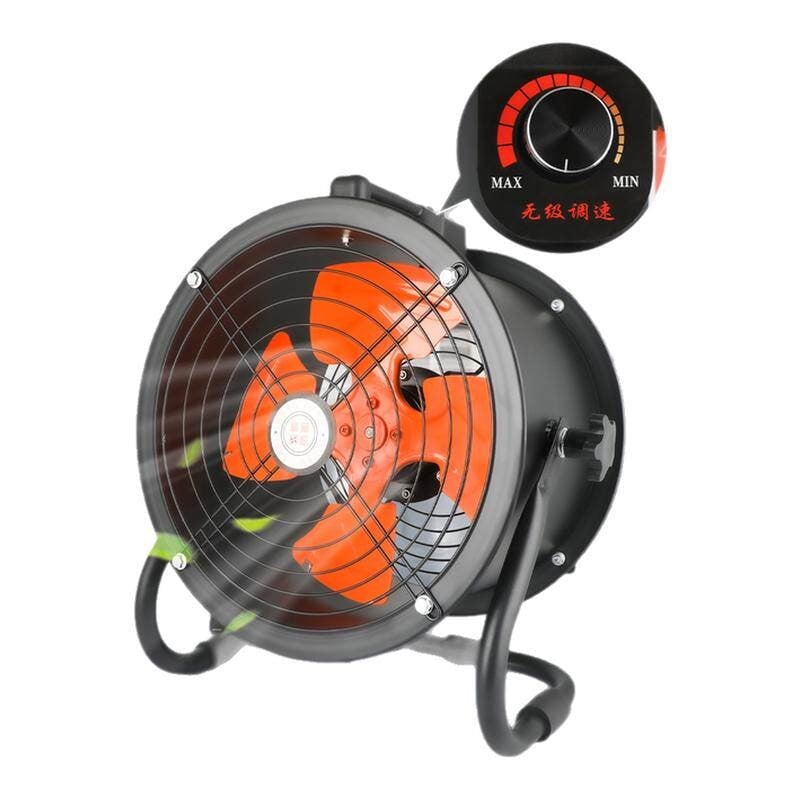
- Use an axial fan for high air volume with a clear air path or a temporary duct.
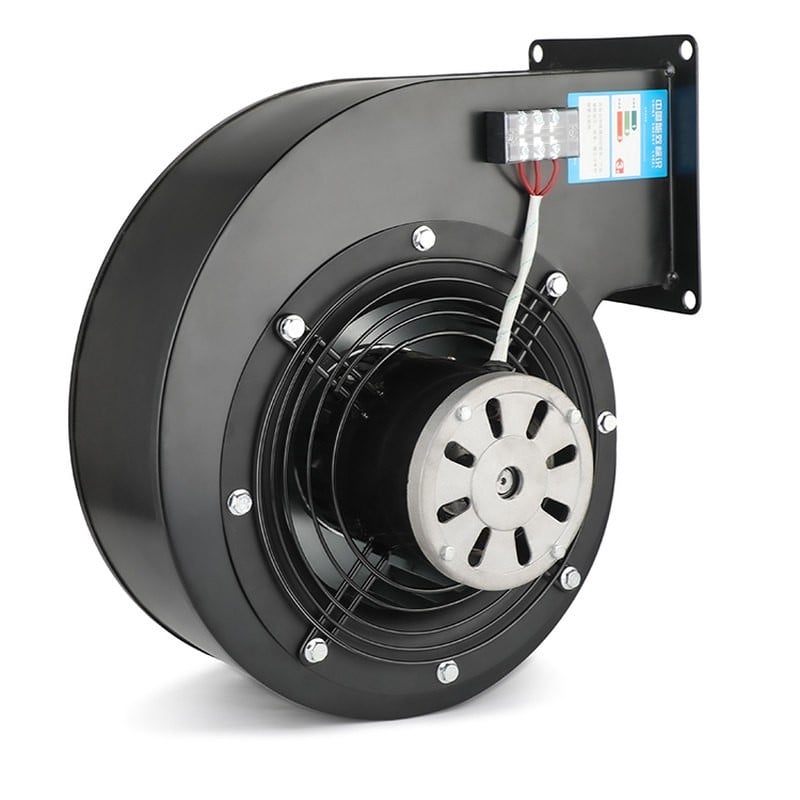
- Use a centrifugal fan when ductwork or equipment adds more resistance.
- Use a vortex blower when the process needs pressure air or suction, within its listed limits.
The selected portable axial flow fan is listed for confined spaces and can connect to telescopic air ducts. It can be relevant to temporary industrial ventilation. It is not a leaf collection vacuum. A leaf blower and vac search does not change that product boundary. A leaf blower and vac buyer should check the real duty. This leaf blower and vac distinction helps buyers ask for the correct equipment type.
Review Material and Site Conditions
Before using a blower or suction system around loose material, identify that material. Fine dust, hot air, corrosive vapor, and combustible areas may need a different system or added controls. A garden-style name does not prove that a unit suits industrial debris. The selected 9-19 high-pressure centrifugal fan has stated limits for its conveyed medium and particulate concentration. Check those limits against the real process.
Also list the site conditions. Note the ambient temperature, indoor or outdoor location, voltage, service access, and whether the unit stays in one place. An axial fan and a centrifugal fan serve different duties. A unit for short-term ventilation may not fit a high-resistance extraction line. A leaf blower and vac request needs those facts. A leaf blower and vac request should state the work area. A clear leaf blower and vac request should include these site facts.
Use Blowing and Suction With Care
Some industrial products can provide positive-pressure blowing or negative-pressure suction. The selected oil-free aluminum alloy vortex blower is described as a dual-purpose air source for process use. It may fit a buyer who needs both modes. A leaf blower and vac label does not prove product fit. A leaf blower and vac label does not define process safety. It does not prove a consumer leaf blower and vac use case. Check pressure, flow, material exposure, inlet protection, and discharge layout before you select it.
When suction is needed, plan the collection side as well. State if the system uses a separator, filter, hose, or duct. State how material will be held. The fan choice depends on the full air path, not just the pickup point. Filters can add resistance as they load, so the maintenance plan also matters.
Send a Useful RFQ
For a leaf blower and vac inquiry, send a duty-point description. A leaf blower and vac inquiry should name the needed function. A leaf blower and vac inquiry should list the material. Include space size or airflow, pressure or duct details, material, temperature, voltage, and the required air direction. Say if the task is temporary ventilation, drying, aeration, process air, or a ducted system. ZICHENG can then compare the published axial, vortex, and centrifugal products with the stated conditions. If the request is for garden leaf collection, the catalog match must be confirmed before quotation.

 EN