Define the Jet Blower Duty
Start a jet blower enquiry with the job the air system must do. A jet blower may supply fresh air. It may remove air. It may dry a room. It may feed air to a process. It may aerate water. State the main job first. Then state if the jet blower will run for a short task or for long periods. This keeps the selection clear. It also prevents a buyer from comparing units that serve very different duties.
Next, give the airflow required at the work point. Give the pressure too, if it is known. A jet blower with a high airflow rating in open air may deliver less air through a long duct. This is why the duty point matters. The duty point should describe air volume, pressure, air type, and run time. It should also say if the system needs blowing, suction, or both.
Check Duct Resistance
Ducts add resistance to a jet blower system. Long ducts add more resistance. Bends, filters, grilles, dampers, and outlets add resistance too. A jet blower for a short and open task may be an axial fan. A jet blower for a duct system with high resistance may need a centrifugal fan. The 9-19 product is listed for high-pressure forced ventilation. Its product record lists a maximum total pressure of 9,200 Pa. That figure is a product limit, not a final site selection.
Ask for the duct size and length. Note each bend and filter. Add the inlet and outlet details. These facts help show whether the jet blower can meet the system duty. Do not use airflow alone to choose a model. Pressure loss changes the result. A clear layout helps the selection team ask the right follow-up questions.
Use the Product Fit Boundaries
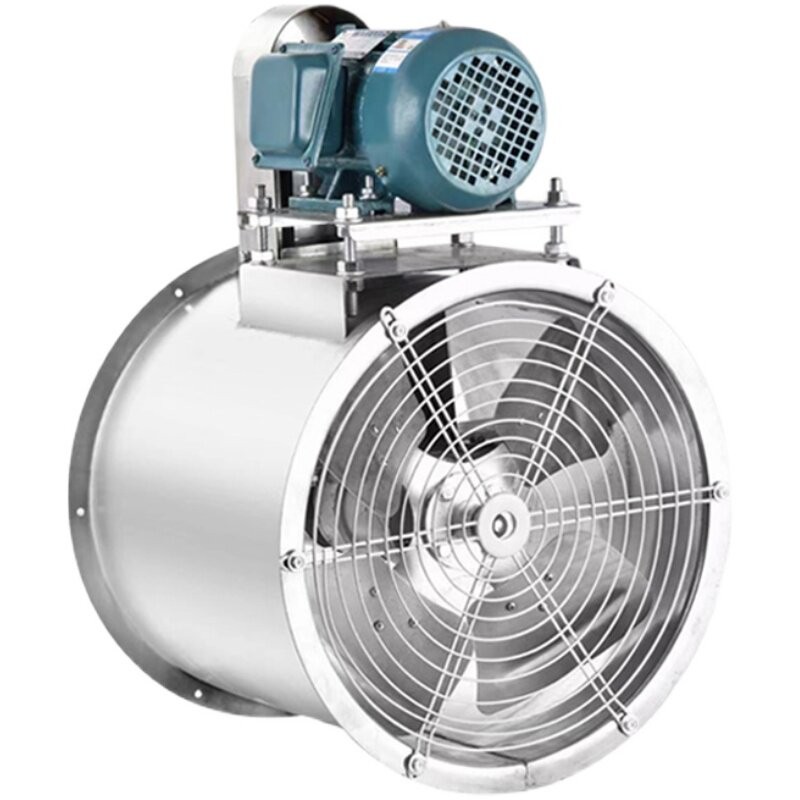
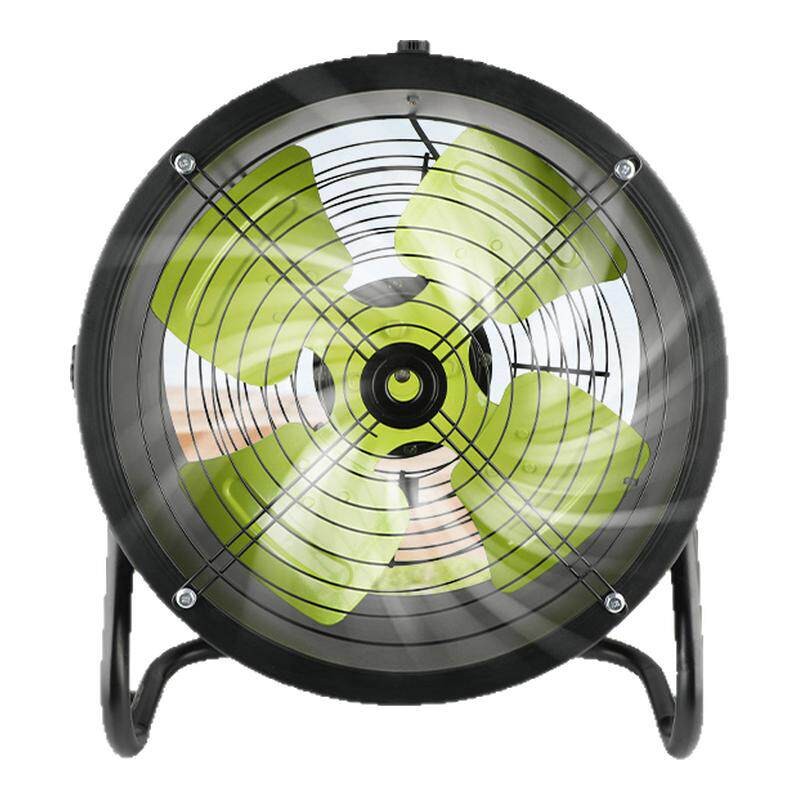
The listed jet blower options are related, but they are not the same. The portable axial flow fan is for confined-space work. Its product page says it can connect to telescopic air ducts. This can suit mobile ventilation. The aluminum-blade axial fan is listed for tobacco curing. It is a drying-air direction. The vortex blower is listed for aeration. It has blowing and suction functions. The high-pressure centrifugal fan is listed for forging and other industrial uses with resistance-heavy air paths.
A jet blower for clean process air may need the oil-free vortex design. A jet blower for a long duct run may need the pressure range of a centrifugal model. A jet blower for a temporary work area may need a portable axial fan. A jet blower for a drying room may need a larger axial fan. These are fit boundaries. They do not make one product a replacement for every other product. Compare the site duty with the product record before a model is chosen.
Review the Site Conditions
Write down the air medium and the site temperature. Note the power supply, noise need, and service access. For the 9-19 fan, the product record says the medium should be non-corrosive, non-self-igniting, and free of viscous material. It also gives limits for medium temperature and dust. These limits should be checked before a jet blower order is placed. If the site has special hazards or project rules, confirm equipment suitability with the project team.
The vortex blower may suit a process that needs oil-free air. The portable axial unit may suit a place where duct reach and movement matter. The main point is simple. A jet blower must fit the real work site. Do not assume that a standard unit fits every air system. Give the full conditions when you ask for a quote.
Send a Useful Request
A good jet blower request includes airflow, pressure, air medium, temperature, voltage, run time, and site layout. Add duct or pipe size when there is one. State if you need suction, blowing, portability, or steady operation. For a replacement, send photos of the old unit and its nameplate. For a new project, send a simple drawing. These details help identify the catalog direction. They also show which details need more review before a jet blower model is confirmed.

 EN