Define the Industrial Gas Heater Blower Duty
An industrial gas heater blower can serve more than one role. It may move make-up air to a heater. It may circulate warm air through a drying room. It may also move air through ducts after heating. Each role needs a different review. For an industrial gas heater blower, map the air route from inlet to outlet. Note if the fan is before or after the heater. Note dust, moisture and air temperature at the fan.
An industrial gas heater blower needs a defined duty point. An industrial gas heater blower also needs a clear air path. For an industrial gas heater blower, ask for airflow, static pressure, voltage, fan location and duty cycle. Add duct size, duct length and fitting count. Ask where each industrial gas heater blower will sit. Ask what each industrial gas heater blower will move. Do this before an industrial gas heater blower is quoted. These details help define the duty point. A rated airflow alone does not show delivered airflow in a real duct system.
Match Fan Type to System Resistance
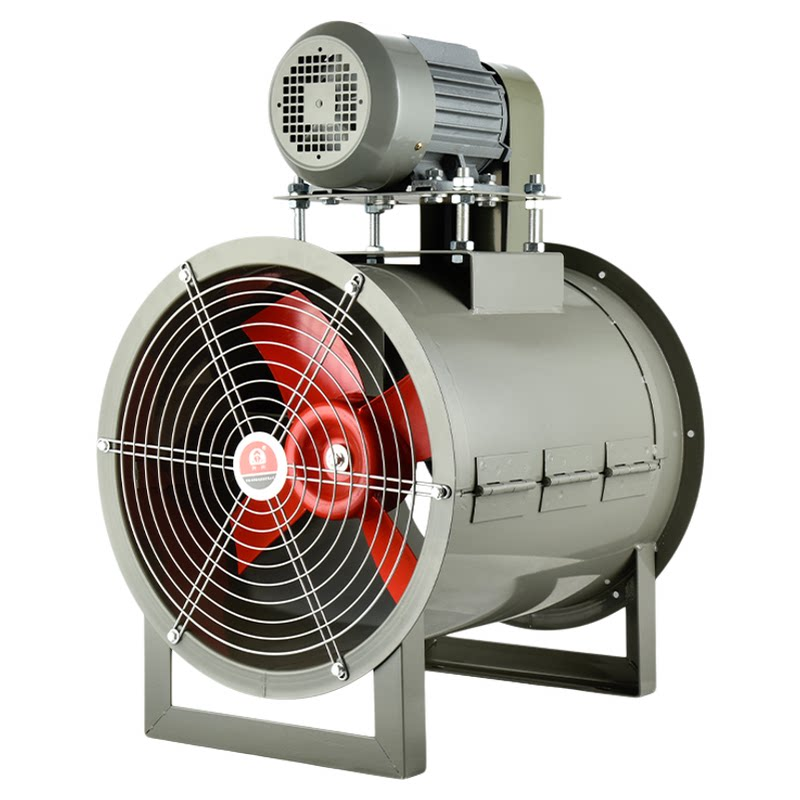
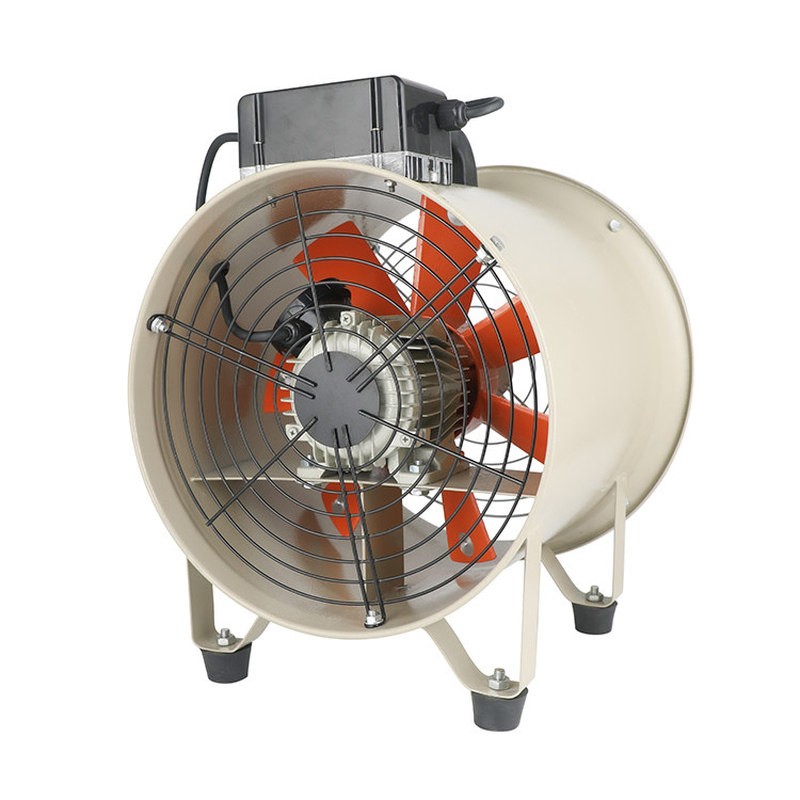
An axial fan moves air along its shaft. It can suit high air volume and lower resistance. The selected Portable Axial Flow Fan is documented for 3,000 to 10,000 m³/h. It can connect to telescopic ducts for temporary ventilation. The selected Aluminum Blade Axial Fan is documented for tobacco curing and up to 39,000 m³/h. These records can inform an industrial gas heater blower discussion about air volume. They do not describe either product as a dedicated gas-heater assembly. It does not make either product a ready-made industrial gas heater blower.
A centrifugal fan can suit an industrial gas heater blower system with long ducts, bends, filters or dampers. These parts add resistance. The selected 9-19 High-Pressure Centrifugal Fan is documented with a maximum total pressure of 9,200 Pa. Its record also has limits. The medium should be non-corrosive, non-self-igniting and free of viscous substances. Temperature should not exceed 80°C. Dust or hard particles should be at or below 150 mg/m³. Check those limits before choosing an industrial gas heater blower configuration. That review is central to any industrial gas heater blower choice.
Review Heat and Fan Placement
Placement changes the job of an industrial gas heater blower. A fan before the heater may handle ambient air. A fan after the heater may face warmer air. Do not assume a fan can handle direct hot gas or combustion service unless its product record says so. Duct routing, separation and motor position can change fan conditions. This check protects the industrial gas heater blower selection. These are design choices that need review.
- Measure air temperature at the fan and motor location.
- List dust, moisture, grease and corrosive exposure.
- State if the air is supply, return or exhaust air.
- Plan access for cleaning, inspection and replacement.
Compare Adjacent Catalog Options
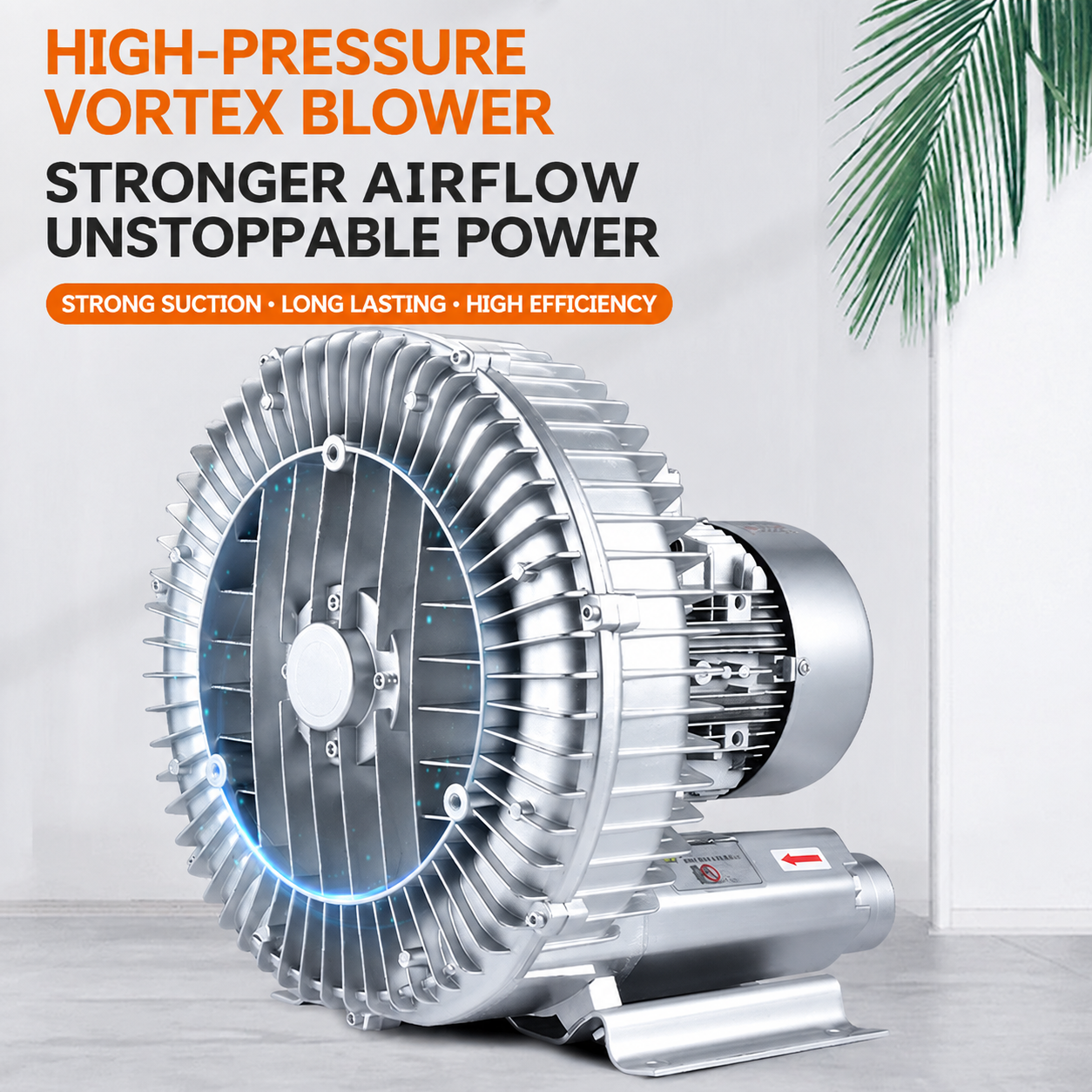
The Oil-Free Aluminum Alloy Vortex Blower is documented for aeration. It has blowing and suction modes, a maximum airflow of 1,200 m³/h and a maximum pressure of 90 kPa. It may suit a separate process-air duty when its stated data matches the project. It is not automatically an industrial gas heater blower. The same rule applies to an industrial gas heater blower project using any adjacent catalog item.
For an industrial gas heater blower used in drying or warm-air circulation, compare the required duty point with product selection data. A larger fan is not always better. Too much airflow or pressure can make duct balance harder. Too little may not overcome resistance. Match the fan to the actual air route and site conditions. This is the basic industrial gas heater blower selection rule.
Prepare a Clear Request for Quotation
Send the heater type, fan position, airflow target, pressure estimate, duct dimensions, voltage, motor-area temperature and medium description. Include mounting needs and material requests. ZICHENG states that it can discuss airflow and static-pressure sizing, model selection, material and voltage before an order. These details support a fact-based industrial gas heater blower discussion without claiming a fit that has not been checked. They also help define the industrial gas heater blower duty for review.

 EN