How to Compare Industrial Blower Types
Industrial blower types should match the air system. Do not choose by name alone. First, set the airflow needed for industrial blower types at the work point. Next, list the duct pressure loss for industrial blower types. Bends, dampers, filters, hoods, and branches all add loss. A fan can move a lot of air in open space. It can move less air once a duct is added. This is why a duty point is useful when you compare industrial blower types.
For a new job, write down the target flow and static pressure. Add the gas temperature, dust level, power supply, and space for the unit. For a fan change, ask what changed in the system. A new filter, longer duct, or new process load can change the duty point. These facts help sort industrial blower types by fit. They also help avoid a choice based on a peak number only.
Industrial Blower Types by Pressure Class
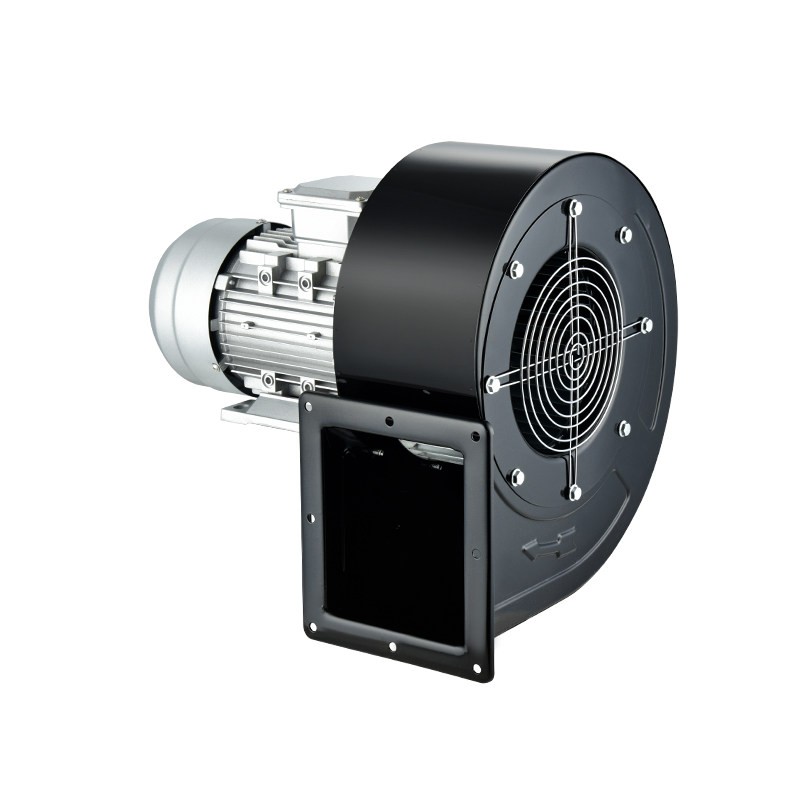
The 9-19 and 9-26 models are high-pressure centrifugal options in the listed industrial blower types. Their product records state a maximum pressure of 9,200 Pa and a maximum airflow of 7,000 m³/h. They are listed for forced air and conveying work. The records give clear limits for the air stream. The gas must be non-corrosive and non-self-igniting. It must not have viscous matter. The medium temperature must not be above 80°C. Dust and hard particles must not be above 150 mg/m³.
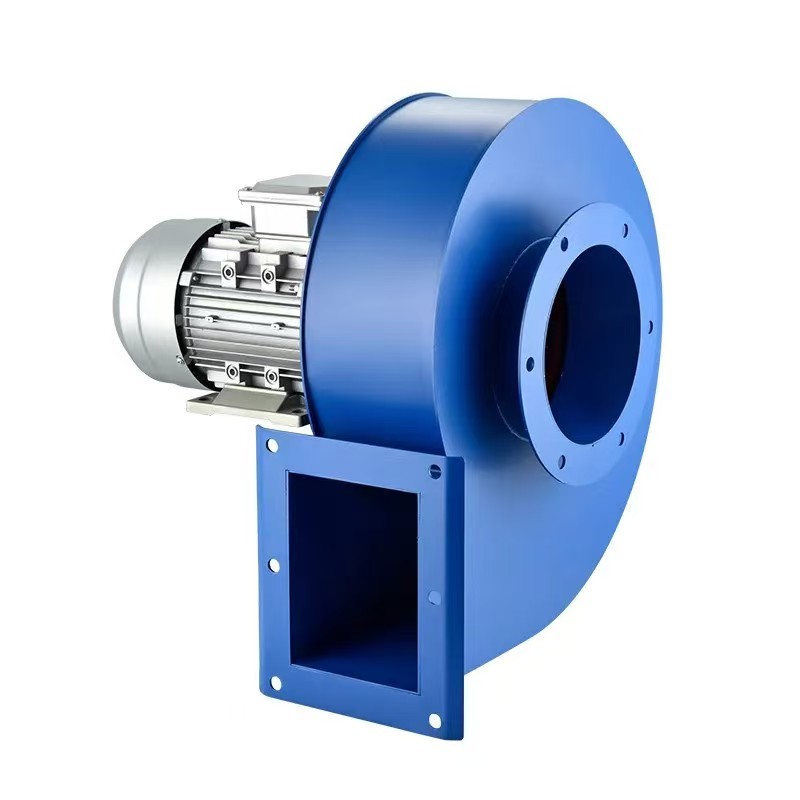
The two 4-72A products are another group of industrial blower types. Their records state a maximum static pressure of 2,500 Pa. They list factory, building, and air change uses. The carbon steel model is for gas that is not corrosive to steel. The 304 stainless model is listed for chemical work. Its gas limits still need review. These industrial blower types are comparison examples. The final choice must match the true medium and duty point.
Industrial Blower Types by Work Area
Material is part of comparing industrial blower types. Carbon steel can be an option when the air is safe for steel and the stated limits are met. The 304 stainless 4-72A model is another option when its listed build is useful. Do not assume one material solves every issue. Tell the supplier about the gas, heat, dust, moisture, and wash method. Those facts can change which industrial blower types fit the job.
- Check if the process air is non-corrosive and non-self-igniting before you select industrial blower types.
- Use the highest inlet temperature, not just the usual room temperature.
- State the dust and particle level because the catalog gives operating limits.
- Check the voltage and motor power before a model is priced.
Industrial Blower Types and Fan Curves
Peak flow and peak pressure are not enough when choosing industrial blower types. The fan curve and the system curve show the work point. As resistance goes up, flow can change. Buyers of industrial blower types should ask for the right curve. Then they should check the needed flow at the needed pressure. This is key for systems with filters, long ducts, many branches, or planned changes.
A high-pressure fan is not always the right fan. A short duct with low loss may not need it. A general fan may not suit a hard duct job. Explain the site as it is. Include parts that are not yet known. This lets the supplier narrow industrial blower types with facts, not with a broad claim.
Request a Review of Industrial Blower Types
For a useful quote, send the airflow, static pressure, duct plan, gas type, temperature, dust level, voltage, and space limits. State if the fan will supply air, exhaust air, or convey material. Add a sketch or photos if you have them. Zicheng states that it can support airflow and static-pressure sizing, model choice, material advice, and voltage advice before an order. This turns a search for industrial blower types into a specific centrifugal fan discussion.

 EN