Start With the Job Data
Industrial blower manufacturers need clear job data. Start with the airflow that the system must move. Then state the static pressure at that airflow. These two values are the core of a fan request. Do not choose a fan by airflow alone. A fan may move a lot of air in open space. It may move less air after it is put on a duct.
Industrial blower manufacturers also need a simple duct plan. Show the duct size, length, bends, filters, dampers, hoods, and outlet. Each part adds load. The load can change the fan duty point. A supplier can use this plan to compare the system need with a fan curve. That is more useful than comparing only a peak value.
Review Pressure Before Model Name
Industrial blower manufacturers often sort options by pressure need. High pressure can help with long ducts, filters, process gear, or a conveying line. It is not needed for every job. A short and open exhaust path may need less pressure. The right fan is the one that meets the required flow and pressure at the same point.
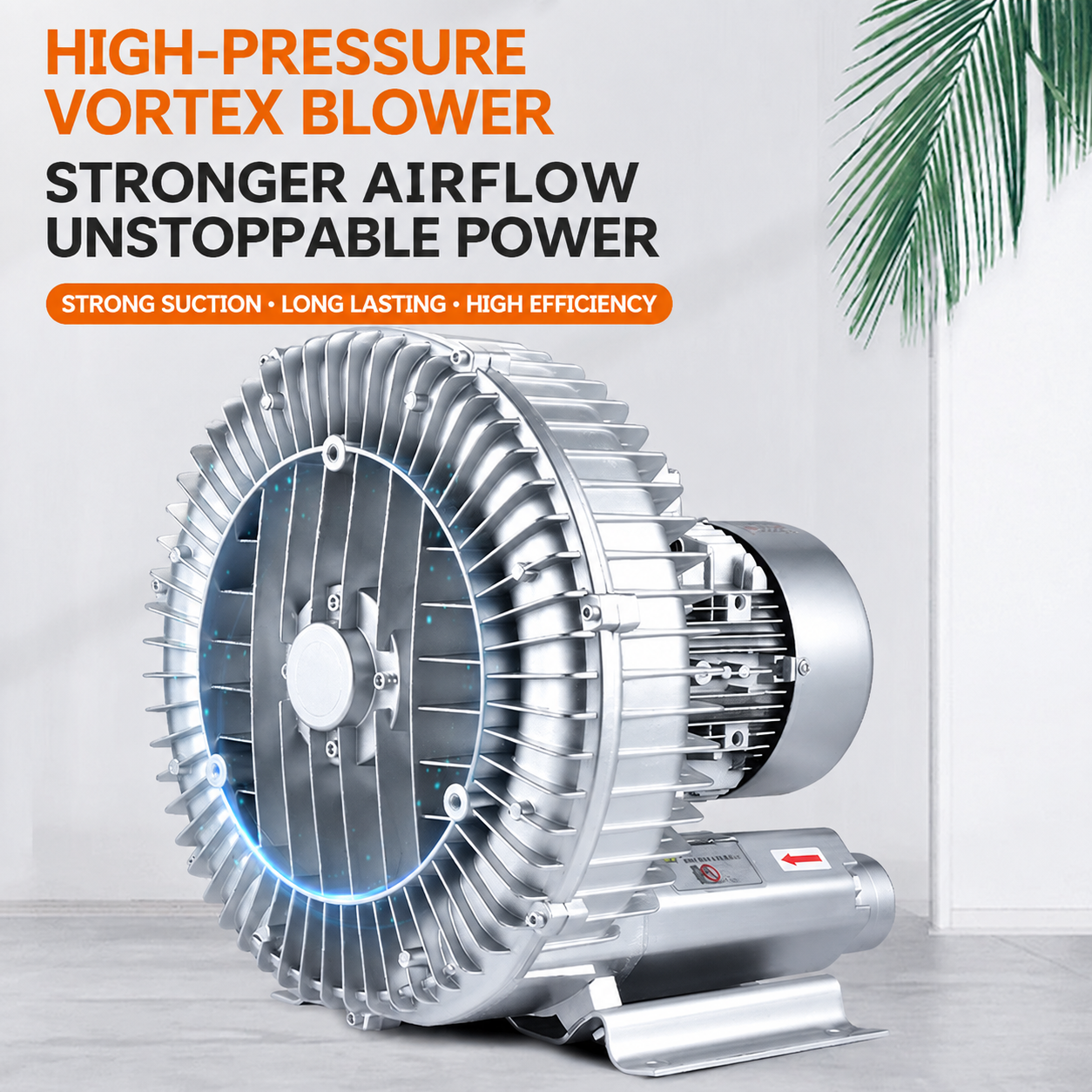
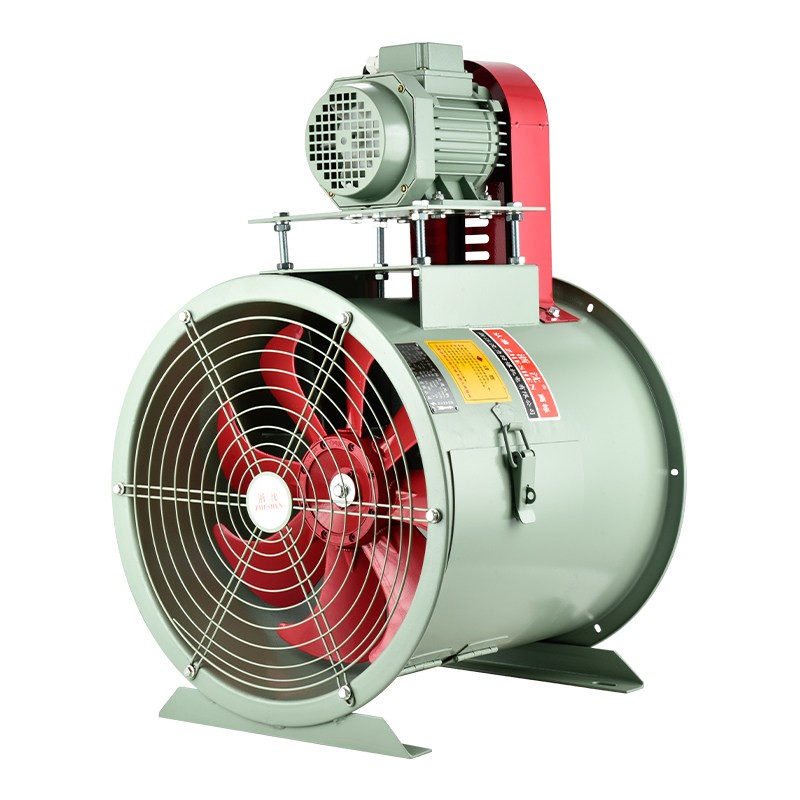
Industrial blower manufacturers can review the selected 9-19 and 9-26 high-pressure fan records for pressure-led work. The 9-19 record states a maximum pressure of 9,200 Pa and a maximum airflow of 7,000 m³/h. The 4-72A records state maximum values of 2,500 Pa and 20,000 m³/h. These are stated product limits. They are not a promise for every system.
Check the Air and the Site
Industrial blower manufacturers need to know what moves through the fan. State if the duty is supply air, exhaust, process air, or conveying. State the inlet heat and the dust level. State if the gas is clean, wet, or likely to affect the housing. This keeps the review tied to the actual job.
Industrial blower manufacturers should also review the listed limits for each model. The selected 4-72A and high-pressure records state a maximum gas temperature of 80°C. They also state a particulate limit of 150 mg/m³. Measure the peak inlet state when you can. Do not use only an average room value. The inlet can be hotter or dirtier than the rest of the room.
Send a Useful Inquiry
Industrial blower manufacturers can review a request faster when the inquiry has one clear duty sheet. List airflow, static pressure, medium, inlet heat, dust level, voltage, duct plan, and target use. Add the old fan nameplate if this is a replacement. State the issue with the old system, such as low flow at the far end or a need for a new duct route.
Industrial blower manufacturers should not be asked to guess the duty from a short model request. A full request makes it easier to compare a standard catalog unit with a project-specific option. It also gives the buyer a better basis for a quote and a technical review.

 EN