High Pressure Fans for Industrial Duct Systems

Get a Free Quote

Our representative will contact you soon.
Email
Mobile/WhatsApp
Name
Company Name
Message
0/1000
High Pressure Fans for Industrial Duct Systems

High Pressure Fans for Industrial Duct Systems

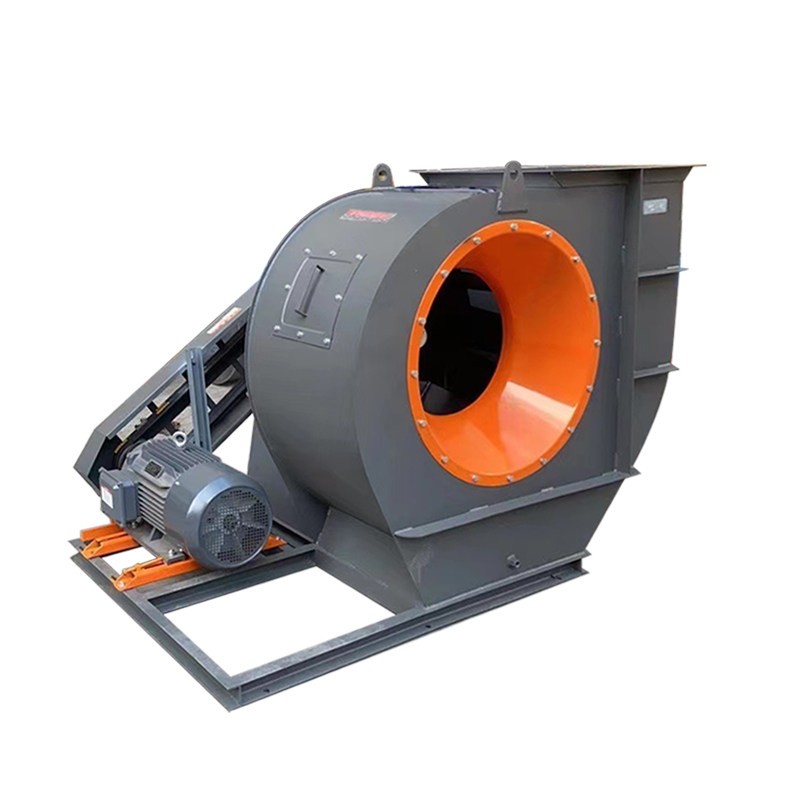
High pressure fans help move air through ducts, filters, and process lines that resist flow. This page covers real centrifugal fan options in the current catalog. High pressure fans are not one fixed product class. The right choice depends on airflow, static pressure, air temperature, dust level, voltage, and layout. The listed 9-19 and 9-26 models are high pressure fans with stated pressure up to 9,200 Pa. The listed 4-72A models have stated pressure up to 2,500 Pa and suit a different range of ducted work. Before you buy high pressure fans, share the airflow needed at the work point, the system pressure, the air or gas details, and the duct plan. That information helps match the duty to a catalog model and its configuration.
Get A Quote

Manufacturer Context for Fan Selection

Supplier facts for buyers who need a technical discussion.

Integrated Fan Production

Taizhou Zicheng Electromechanical Co., Ltd. states that it handles design, development, and production for axial fans, centrifugal fans, kitchen exhaust fans, and aeration blowers in house.

Selection Support

The site states that the team can discuss airflow, static pressure, model choice, material, and voltage before an order. These inputs are useful when high pressure fans serve a ducted system.

Standard or Custom Setup

The company describes standard models and non-standard requirements. A buyer can start with a catalog fan, then discuss electrical, material, or size needs for the project.

Related products

Match Pressure to System Resistance

Match Pressure to System Resistance

High pressure fans should match the full system, not just a free-air figure. Ducts, bends, filters, and connected equipment add resistance. The 9-19 and 9-26 records state pressure up to 9,200 Pa. The selected 4-72A records state up to 2,500 Pa. Use the duty point and the applicable fan curve to check fit. Do not choose high pressure fans only by the largest listed number.

How High Pressure Fans Work in Ducted Systems

High pressure fans are used when air must move through a system with real resistance. High pressure fans can serve a long duct run, a filter bank, a hood, or process equipment. High pressure fans should be selected for airflow and static pressure together. High pressure fans are not chosen from motor power alone. High pressure fans need a stated duty point before a final model can be reviewed.

For high pressure fans, list every source of loss. Include straight duct, elbows, branches, dampers, filters, hoods, and connected equipment. High pressure fans can see more resistance when a filter becomes loaded. High pressure fans should be checked against the clean and loaded condition when that information is available. High pressure fans also need the required airflow at the work point, not only at the fan outlet.

Compare the Catalog Pressure Ranges

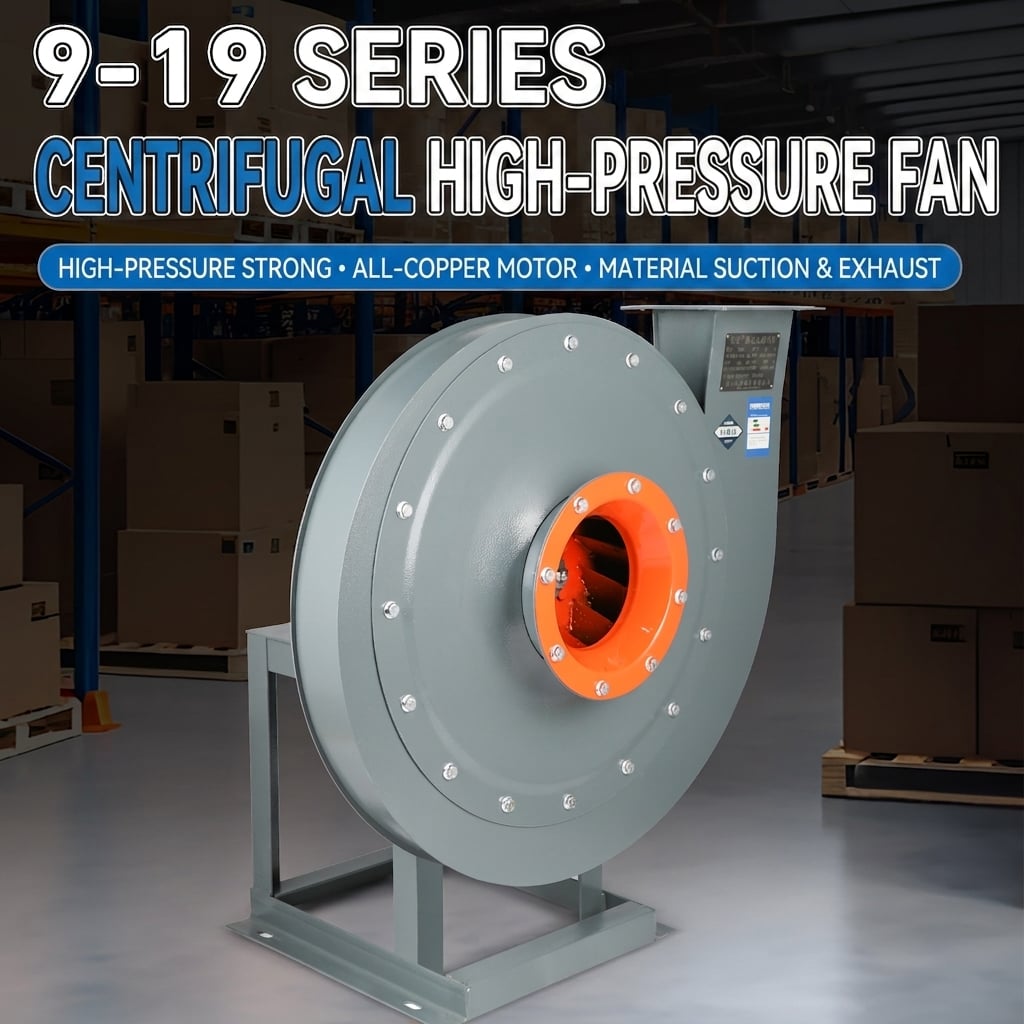
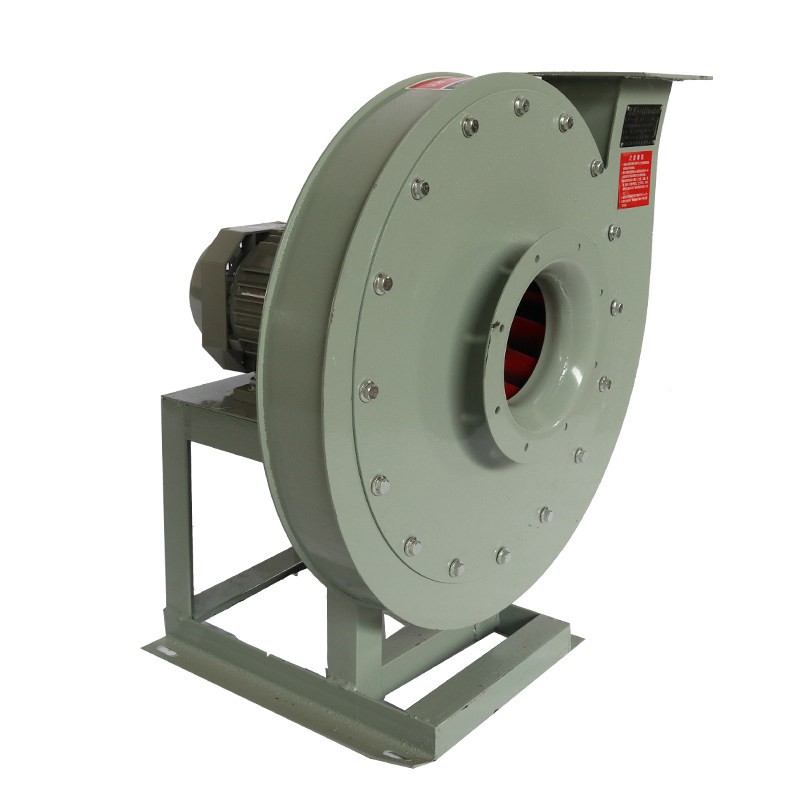
High pressure fans in the selected 9-19 record have a listed maximum total pressure of 9,200 Pa. High pressure fans in the selected 9-26 record also have a listed maximum of 9,200 Pa. The records list motor options through 30 kW. These high pressure fans may be relevant when the system has high resistance. The applicable curve must still be reviewed for the requested airflow and pressure.

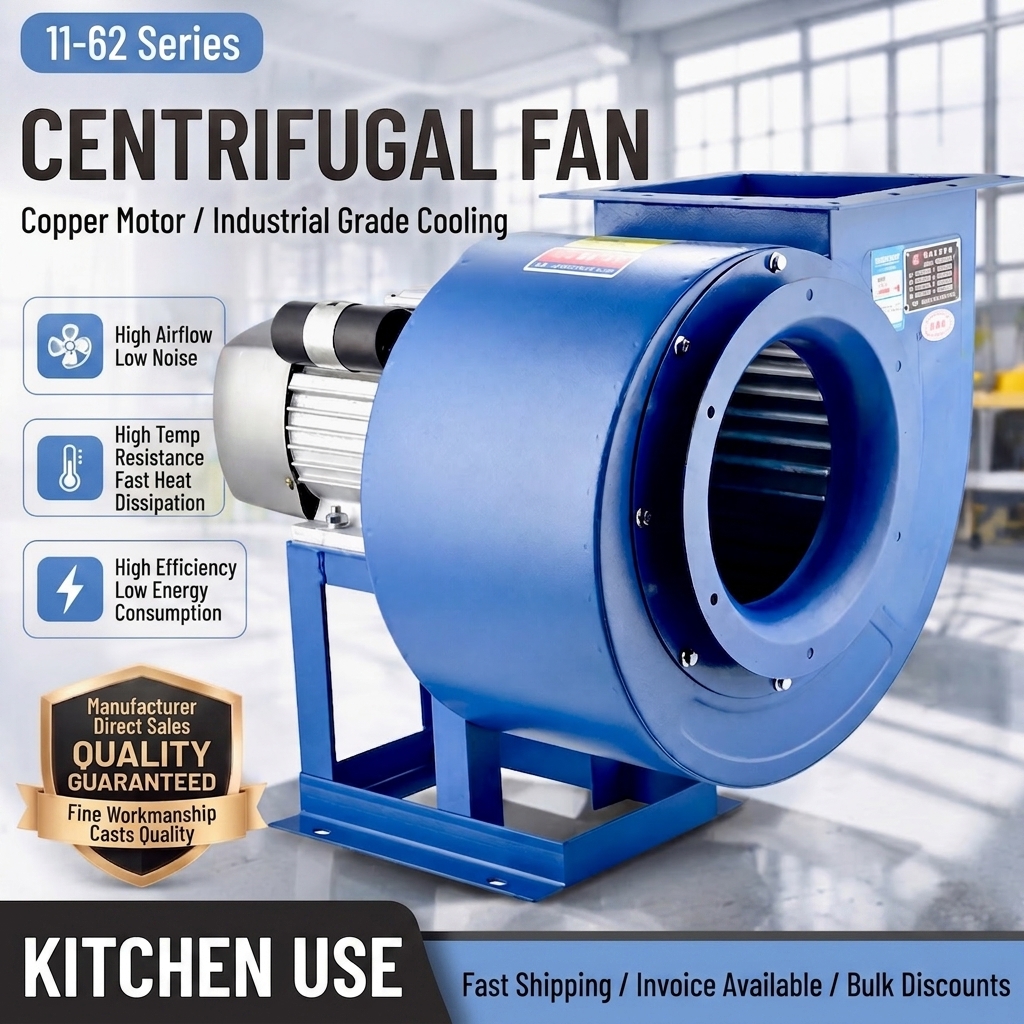
High pressure fans are not always needed for a lower-loss system. The selected carbon steel 4-72A record lists a maximum static pressure of 2,500 Pa. The selected 304 stainless 4-72A record also lists 2,500 Pa. These centrifugal options have a different stated range. High pressure fans that are too large can make setup and control harder. Choose the product family after the actual duty is known.

Check the Air and the Site

High pressure fans must match the air or gas in the system. The 9-19 and 9-26 records describe non-corrosive, non-self-igniting, and non-viscous media. They list a maximum medium temperature of 80°C. They list dust and hard particles at or below 150 mg/m³. High pressure fans should be checked at the fan inlet because inlet heat can differ from room heat.

High pressure fans also need a suitable housing and layout. The selected carbon steel 4-72A record has its own gas, heat, and dust limits. The selected 304 stainless 4-72A record identifies a 304 stainless steel housing. High pressure fans are not automatically suitable for every chemical or flammable duty. State the gas, dust, moisture, and corrosion conditions in the request.

Send Selection Details

High pressure fans need room for inlet and outlet connections. State the duct size, direction, support points, and service access. State if the fan will supply air, exhaust air, or move material. The 9-19 and 9-26 records describe suction and blowing use within their stated conditions. High pressure fans should still match the chosen configuration and flow direction.

  • Give the required airflow at the process point.
  • Give the static pressure or a duct layout for review.
  • State medium temperature and particle conditions.
  • State voltage, available power, and run hours.
  • State the material and corrosion needs for the housing.

High pressure fans are easier to review when the request is complete. Send airflow, pressure, duct size, inlet temperature, dust level, gas type, voltage, and mounting limits. If there is a filter, state its clean and loaded pressure loss. Zicheng states that it can discuss airflow and static-pressure sizing, model choice, material, and voltage before an order. Ask for the applicable curve and configuration details before making a purchase choice.

High Pressure Fans FAQ

Buyer questions about pressure, ducts, and product fit.

What makes a fan fit a high-pressure duty?

High pressure fans must move the needed airflow against the real system loss. High pressure fans may face loss from ducts, bends, filters, dampers, hoods, or process equipment. The 9-19 and 9-26 records list pressure up to 9,200 Pa. The selected 4-72A records list up to 2,500 Pa. High pressure fans should be checked with the required airflow and the applicable curve.
The selected carbon steel and 304 stainless 4-72A records list maximum static pressure of 2,500 Pa. They can be relevant for ducted industrial work within their stated range. High pressure fans in the 9-19 and 9-26 range may be relevant when the system needs more pressure. Check air or gas type, inlet heat, dust, voltage, and layout before selecting a family.
Send airflow, static pressure, a duct drawing or key dimensions, inlet temperature, dust level, gas details, voltage, run time, and space limits. High pressure fans need this data because each item can change the operating point. The 9-19 and 9-26 records list boundaries for non-corrosive, non-self-igniting, non-viscous media, 80°C temperature, and 150 mg/m³ particles. Confirm the actual condition.
The selected 9-19 and 9-26 records describe suction and blowing use within their stated conditions. High pressure fans may therefore support different layouts. The final choice depends on flow direction, duct connection, pressure, medium, and configuration. High pressure fans used for conveying also need a review of particle and gas conditions. Explain the system function in the inquiry so the arrangement can be checked.

Get a Free Quote

Our representative will contact you soon.
Email
Mobile/WhatsApp
Name
Company Name
Message
0/1000