Start With the Duty Point
A high pressure centrifugal blower should be chosen from the duty point. Do not choose a high pressure centrifugal blower from the product name alone. First, record the airflow needed where the air is used. Next, calculate the total static pressure in the system. Pressure loss can come from straight duct, elbows, branches, dampers, filters, hoods, and outlets. A fan can show a strong free-air figure. It can give a different result after it connects to a real duct system.
For a replacement job, compare the old fan data with the current duct layout. New filters, longer runs, or added process equipment can change the duty point. For a new job, ask the system designer for airflow and static pressure. These two values help a buyer compare a fan curve with a system curve. This is the first step in high pressure centrifugal blower selection. It also helps prevent a high pressure centrifugal blower from being selected on incomplete data.
Compare Pressure Ranges
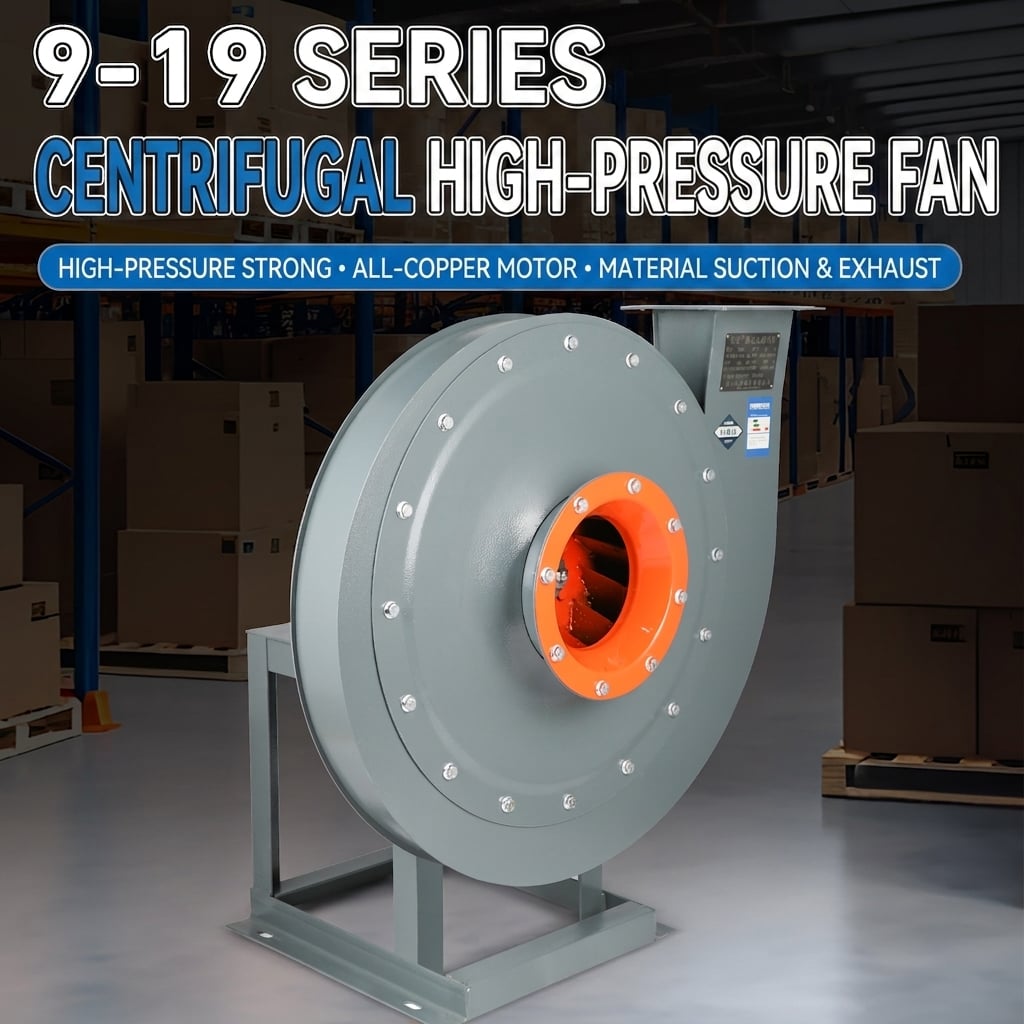
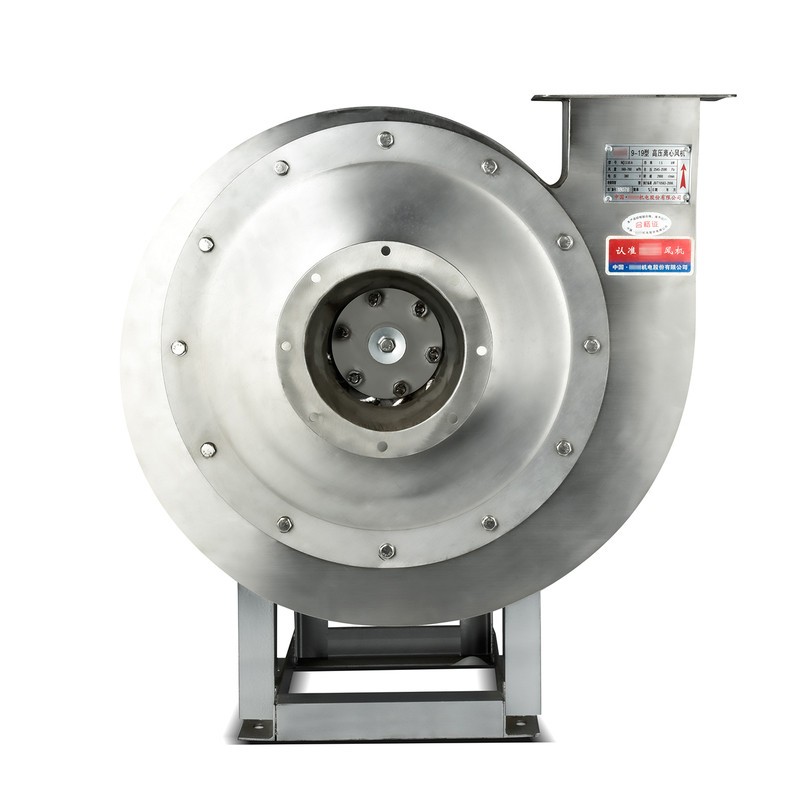
The selected catalog has two high-pressure centrifugal fan products and two 4-72A centrifugal fan products. The 9-19 product lists a maximum total pressure of 9,200 Pa. It lists a maximum airflow of 7,000 m³/h. The 9-26 product also lists a maximum static pressure of 9,200 Pa and maximum flow of 7,000 m³/h. These values are catalog limits. They do not mean that the largest motor is right for each system.
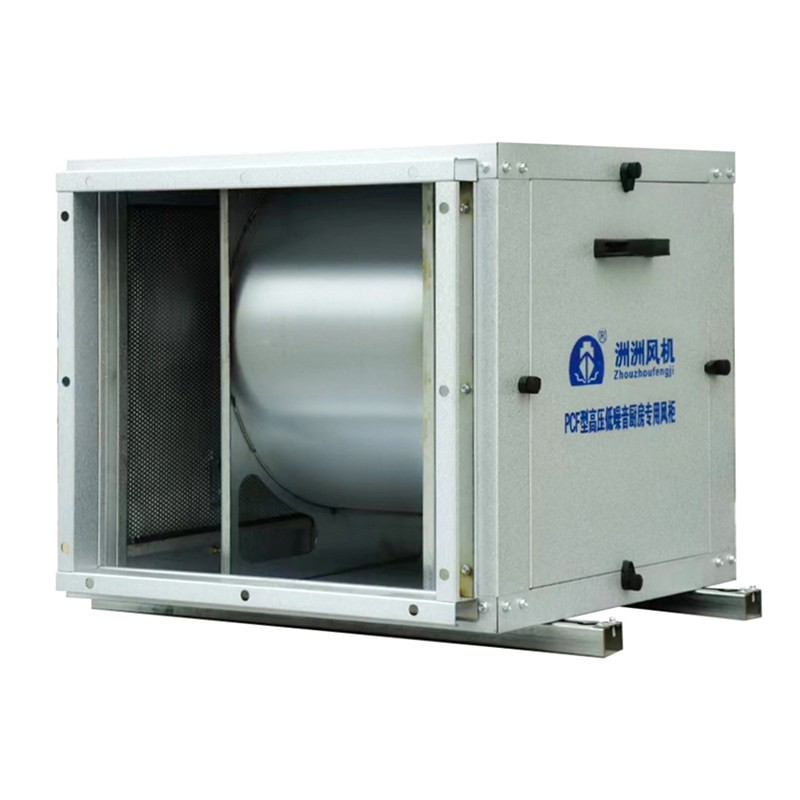
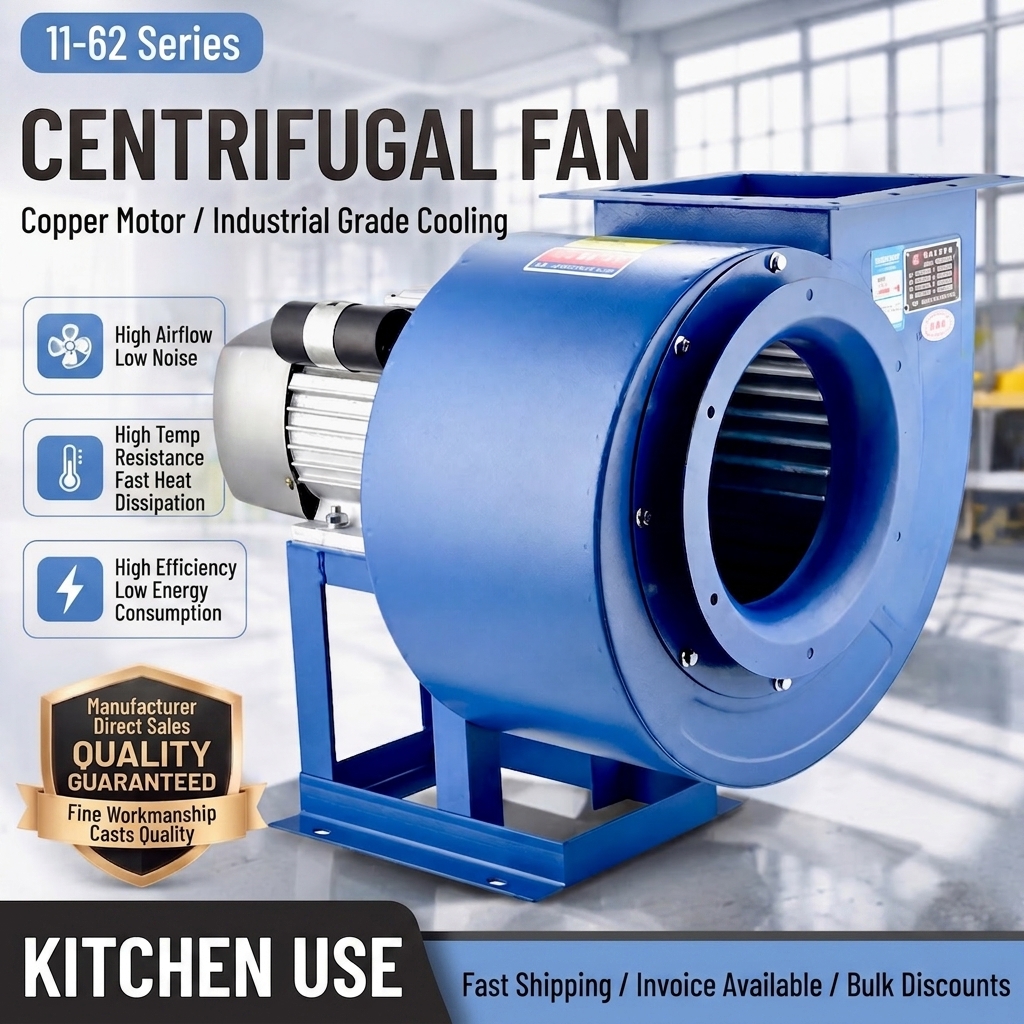
The carbon steel and 304 stainless 4-72A products list up to 2,500 Pa and up to 20,000 m³/h. They can suit a system with a lower calculated pressure need. Use the product details after you identify the pressure range. A high pressure centrifugal blower is useful when the system needs that pressure class. It is not a substitute for duty-point review. In each case, compare the high pressure centrifugal blower curve to the system curve.
- Choose a high-pressure product when the system resistance needs that pressure class.
- Consider the selected 4-72A range when its listed pressure and airflow range fits.
- Request the relevant performance curve before confirming a high pressure centrifugal blower operating point.
- Confirm that the chosen high pressure centrifugal blower has a catalog range that covers the required duty point.
Check Air and Site Conditions
The selected high-pressure product pages describe a boundary for non-corrosive, non-self-igniting media without viscous substances. They list a maximum medium temperature of 80°C. They also list dust or hard particles up to 150 mg/m³. Treat these as product limits to check. They are not rules for every fan or every site.
Material choice also matters. The selected stainless 4-72A product identifies 304 stainless steel. The other 4-72A option is carbon steel. The right choice depends on the actual medium and exposure. If the gas is flammable, reactive, corrosive, or very hot, share that information before selecting a high pressure centrifugal blower. The standard catalog options may not fit that duty. A high pressure centrifugal blower should not be selected before these limits are known.
Review Power and Connections
Check the power supply with the airflow and pressure. The 9-19 product lists 380 V and a power range from 0.75 kW to 30 kW. The 9-26 product includes options up to 30 kW. The 4-72A product records also show several power options. Confirm voltage, frequency, phase, motor arrangement, and control method with the supplier before purchase.
Installation layout can change fit and output. Share inlet and outlet direction, duct size, foundation space, and maintenance access. State if the system uses flexible connectors or vibration isolation. These details help expose interface issues before delivery. They also help define the right high pressure centrifugal blower configuration. The installation drawing helps confirm high pressure centrifugal blower connections before equipment is ordered.
Send a Clear Project Brief
Give the supplier useful project data. Send the airflow, calculated static pressure, medium, inlet temperature, dust level, power supply, and duct drawing if available. State whether the job is new, a replacement, ventilation, or conveying. Mention filters, long runs, multiple bends, and changing process loads. These details are useful for any high pressure centrifugal blower review. A clear request makes a high pressure centrifugal blower discussion more efficient.
Taizhou Zicheng Electromechanical Co., Ltd. states that it supports airflow and static-pressure sizing and model selection. A complete brief lets the supplier compare the project with catalog options. It also shows which questions need more engineering review before a high pressure centrifugal blower is specified. Use that review to confirm high pressure centrifugal blower fit before placing an order.

 EN