High Pressure Blower Fan for Industrial Systems

Get a Free Quote

Our representative will contact you soon.
Email
Mobile/WhatsApp
Name
Company Name
Message
0/1000
High Pressure Blower Fan Selection for Ducted Systems

High Pressure Blower Fan Selection for Ducted Systems

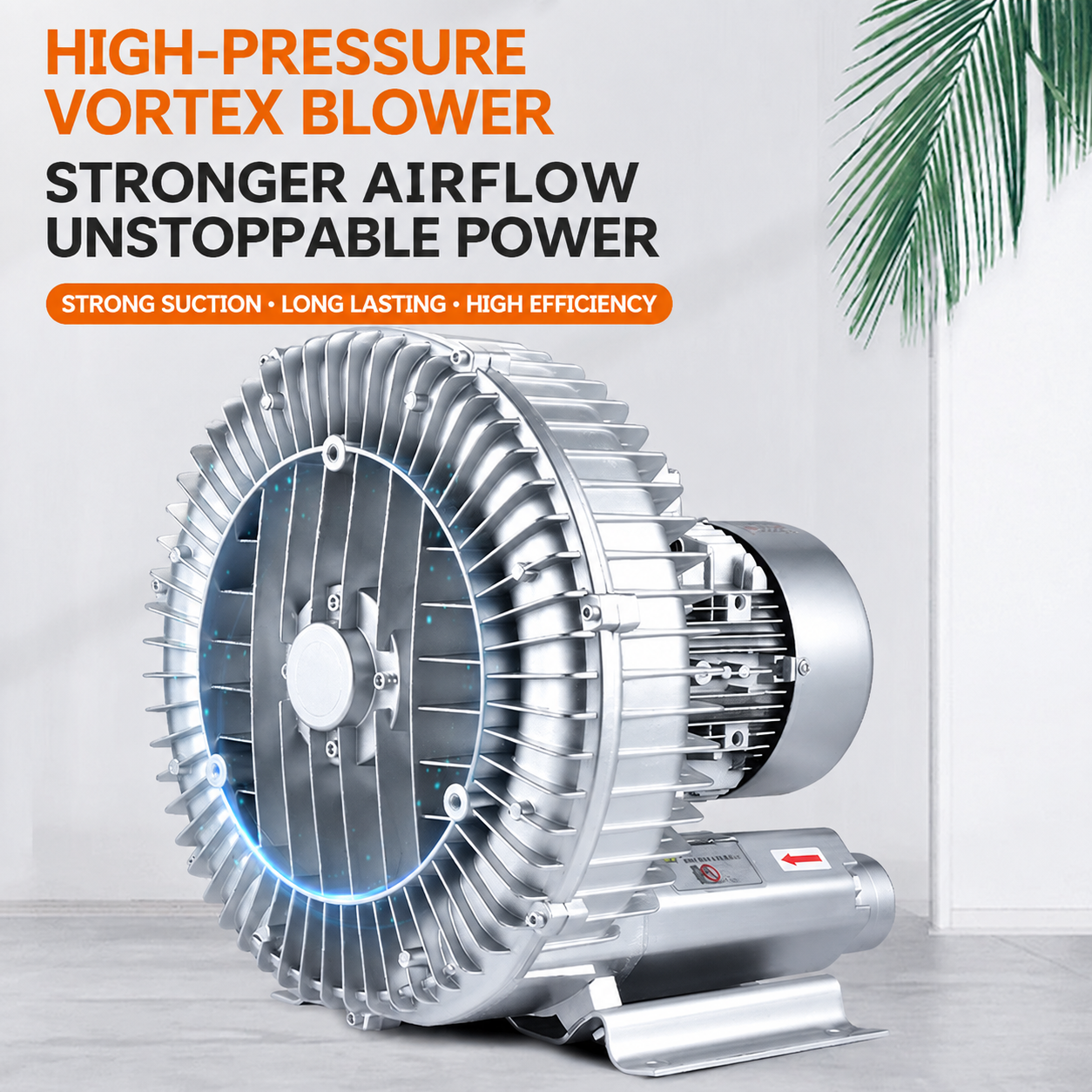
A high pressure blower fan moves air through long ducts, filters, bends, and equipment. A high pressure blower fan is useful when these parts add resistance. This page helps engineers, contractors, and distributors compare centrifugal options. The selected range includes 9-19 and 9-26 high-pressure centrifugal fans. It also includes 4-72A models for lower-pressure work. Start with airflow and static pressure at the duty point. Then check temperature, dust, material, voltage, and installation space. ZICHENG makes axial and centrifugal fan products. Send airflow, pressure, gas details, voltage, and a duct sketch for high pressure blower fan selection and a quotation.
Get A Quote

Manufacturer Context for Fan Projects

Verified context for industrial fan buyers.

Direct Manufacturing Base

Taizhou Zicheng Electromechanical Co., Ltd. identifies itself as an industrial fan manufacturer in Wenling, Taizhou, Zhejiang. Its site says that it handles design, development, and production for axial fans, centrifugal fans, kitchen exhaust fans, and aeration blowers.

Duty-Point Discussion

The company asks buyers to provide airflow, static pressure, and operating conditions for model selection. This gives a practical basis for comparing a high pressure blower fan with the resistance and environment of a planned system.

Related products

Start With System Resistance

Start With System Resistance

A high pressure blower fan needs more than a high free-air flow figure. Duct length, filters, bends, and equipment add resistance. The 9-19 and 9-26 products suit pressure-led duties. The 4-72A products suit lower-pressure ventilation within their stated limits. Match the high pressure blower fan curve to the installed system before choosing motor power.

Start With Airflow and Pressure

A high pressure blower fan must fit the real duty point. Ask how much air is needed. Ask how much resistance the air path creates. Long ducts, elbows, filters, dampers, hoods, and equipment raise static pressure. A high pressure blower fan may have a high flow figure but still miss the target after it joins the system.

For a new system, give the airflow, total static pressure, duct size, main fittings, and fan role. State if the high pressure blower fan will supply air or extract air. For a replacement, give the old fan nameplate and a duct sketch. List new filters or routing changes. This helps compare a high pressure blower fan with the real system.

Compare the Fan Classes

The 9-19 product lists a maximum total pressure of 9,200 Pa. It lists maximum airflow of 7,000 m³/h. It lists motor options from 0.75 kW to 30 kW. The 9-26 product also lists up to 9,200 Pa and 7,000 m³/h. Use a high pressure blower fan from these classes when the system needs more pressure than a general air-change job.

The selected carbon steel and 304 stainless 4-72A products list up to 2,500 Pa and 20,000 m³/h. They can suit factory or building ventilation with lower pressure needs. They are not the same as a high pressure blower fan rated to 9,200 Pa. Use the fan curve and the required point. Do not choose a high pressure blower fan from a maximum value alone.

Check the Medium

The 9-19 and 9-26 records describe non-corrosive, non-self-igniting, non-viscous media. Each lists a maximum medium temperature of 80°C. Each lists a dust or hard-particle limit of 150 mg/m³. The carbon steel 4-72A record gives similar boundaries for gases that do not corrode steel. These are limits. They do not approve every process stream.

The stainless 4-72A has a 304 stainless steel housing. It is listed for chemical-related uses. It still has limits for temperature, particles, and allowed media. Do not assume a standard high pressure blower fan suits flammable, explosive, toxic, strongly corrosive, or very hot streams. Send gas details and site conditions for review. This is important for every high pressure blower fan request.

Confirm Power and Installation

Pressure does not choose motor size by itself. Select motor power at the required point on the fan curve. Check the electrical supply. Check likely system resistance. The 9-19 record lists a 380 V motor configuration. The stainless 4-72A record also lists 380 V. Confirm voltage, frequency, and control needs before ordering a high pressure blower fan.

  • Record required airflow and static pressure.
  • State if the high pressure blower fan supplies, extracts, or conveys.
  • Confirm medium, peak temperature, dust level, and material needs.
  • Check duct connections, rotation direction, space, and supports.
  • Request a high pressure blower fan curve for the duty point.

Prepare a Clear Inquiry

The selected high-pressure centrifugal products may fit forced ventilation, dust removal, fume exhaust, or conveying. Their listed boundaries must match the installation. The 9-19 record mentions forging, metallurgy, glass, ceramics, electroplating, batteries, grain, feed, mineral powder, and plastics. These examples do not replace an engineering review.

Send the duty point and a short system description. Include a duct sketch, fan data, medium details, dimensions, voltage, and special material needs. The supplier can then discuss which high pressure blower fan family is close to the work. It can also state what technical confirmation is needed before selection.

High Pressure Blower Fan FAQ

Questions to ask before choosing an industrial centrifugal fan.

What data is needed to select a blower fan?

Start with airflow and static pressure at the operating point. Include a duct sketch, duct length, main fittings, inlet medium, peak temperature, dust level, voltage, and fan role. Include the old fan nameplate for a replacement. This lets a supplier compare a high pressure blower fan with actual system resistance. It is better than comparing only a maximum catalog number.
A high pressure blower fan is commonly considered when ducts, filters, equipment, or conveying lines create high resistance. The selected 9-19 and 9-26 products are listed up to 9,200 Pa. The 4-72A products are listed up to 2,500 Pa. The correct high pressure blower fan depends on airflow and pressure together. Use the relevant curve. Do not select only by the highest pressure value.
Check the product limits first. The 9-19 and 9-26 records state a maximum medium temperature of 80°C. They state a dust or hard-particle limit of 150 mg/m³. They cover non-corrosive, non-self-igniting, non-viscous media. The 4-72A records give similar limits. Confirm peak inlet conditions before choosing a standard high pressure blower fan configuration.
The selected carbon steel 4-72A is listed for general factory ventilation. The 304 stainless 4-72A has a stainless housing for chemical-related work. Choose material from the real environment and airstream. Both have limits for temperature, particles, and media. Give moisture, salt, chemicals, cleaning conditions, and gas details when asking for a high pressure blower fan recommendation.

Get a Free Quote

Our representative will contact you soon.
Email
Mobile/WhatsApp
Name
Company Name
Message
0/1000