Know What a Dome Covers
A dome for ceiling fan can mean a few parts. It can be a canopy over the ceiling box. It can be a bowl for a light kit. It can also be a trim cover near the motor or rod. The name alone does not tell you which part you need. A dome for ceiling fan must match the fan that is already in place.
Start with the fan brand and model. Take a clear photo of the part. Measure its wide edge, inner hole, depth, and screw spacing. Note the color and finish. A dome for ceiling fan may look like a common part, but screw holes and clips can differ. A light bowl is not the same as a ceiling canopy. A motor cover is not the same as either one. Ask the fan maker or parts seller to check the match before you buy.
Use the Right Buying Path
If you need a dome for ceiling fan, use the fixture-parts path. Give the seller the fan model, photos, and sizes. Check if the part covers a box, a downrod joint, or a light unit. Do not use a dome for ceiling fan to hide loose screws, weak support, or bad wiring. Turn off power before you inspect a fixture. Use a trained installer when the mount or wires need work.
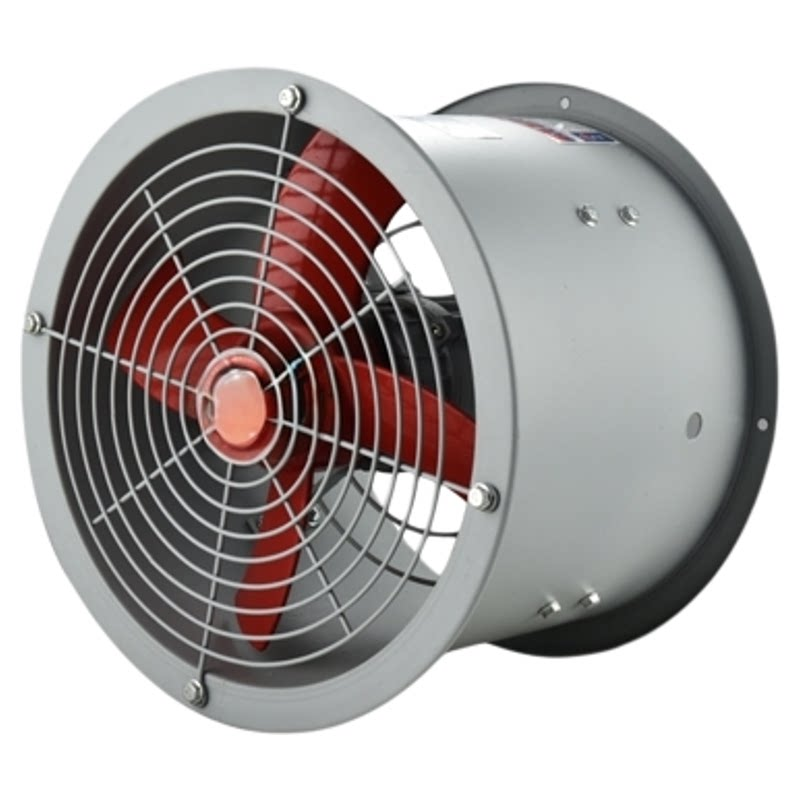
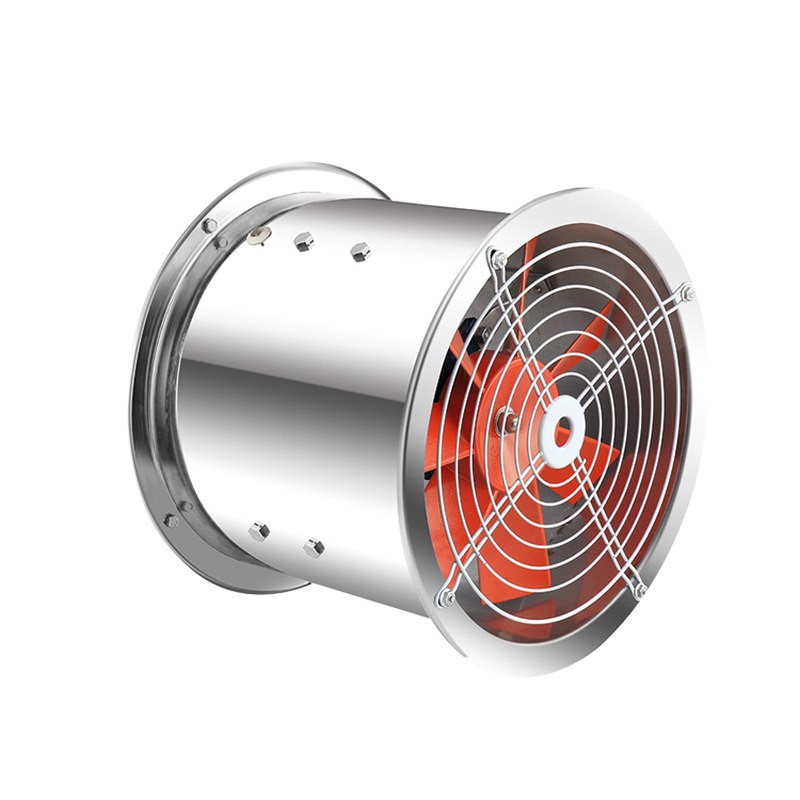
The products on this page use a different buying path. They are industrial centrifugal fans. They are not a dome for ceiling fan. They are not home ceiling fans, lamp shades, or trim parts. They are meant for jobs that move air through ducts, filters, hoods, or process lines. Their size and form cannot help with a dome for ceiling fan replacement.
Give the Key Details for a Fan Job
For an industrial air job, begin with the air duty. State if the fan will bring air in, take air out, or move air through a line. Give the air flow needed at the point of use. Then give the static pressure, if it is known. Duct length, bends, filters, and hoods add load. They can change the fan that fits the job.
- List the duct size, route, and main fittings.
- State the air flow needed at the end of the duct.
- Describe the air, gas, dust, heat, and wet conditions.
- Confirm the power supply and the space for the fan.
The listed 4-72A models have a stated maximum static pressure of 2,500 Pa in their product records. The listed 9-19 and 9-26 models are high-pressure centrifugal fan choices for industrial use. Read each product record for its stated data and limits. A fan fit should be checked against the real job. It should not be chosen because it looks like a dome for ceiling fan or because its name sounds close.
Check the Work Conditions
Air type and site conditions matter. The carbon steel and 304 stainless 4-72A models are different catalog options. The best choice depends on the real air stream and the product data. Heat, dust, moisture, and corrosive air can change the right choice. Check the stated limits of a product before you plan the install.
Duct work needs care as well. Support duct sections as needed. Keep the inlet and outlet aligned. Plan room for checks and service. Use safe guards and other site measures that fit the job. These steps help with an industrial air system. They do not make an industrial fan a dome for ceiling fan.
Dome for Ceiling Fan Match Check
For each dome for ceiling fan request, compare the part with the old fan before purchase. A dome for ceiling fan should match the mount, not just the color. Ask if the dome for ceiling fan is a canopy, a light bowl, or a motor trim. Keep the fan model with the request. This makes a dome for ceiling fan search more useful for the parts seller.
Ask for the Correct Part
Use the exact phrase dome for ceiling fan when you contact a fixture-parts seller, but also give the fan model and sizes. Say which dome for ceiling fan location you need. Share photos of the old dome for ceiling fan and its mount. That will help the seller find a canopy, bowl, or trim part that fits. Do not expect the industrial products on this page to supply a dome for ceiling fan. A dome for ceiling fan request belongs with a fixture-parts supplier.
If your project is a plant room, ducted exhaust line, factory air job, or conveying line, send the air duty to an industrial fan supplier. Taizhou Zicheng Electromechanical Co., Ltd. can review a request against its published centrifugal fan range. Keeping the dome for ceiling fan request apart from the industrial fan request helps each buyer reach the right supplier. This clear split helps a dome for ceiling fan buyer avoid an industrial product search.

 EN