Know the Product Boundary
A dome ceiling fan is usually an indoor comfort product. It moves air below a ceiling. It may be used in a home, shop, or other small space. The phrase dome ceiling fan can also appear in a search about overhead air movement. That does not make an industrial fan a direct match.
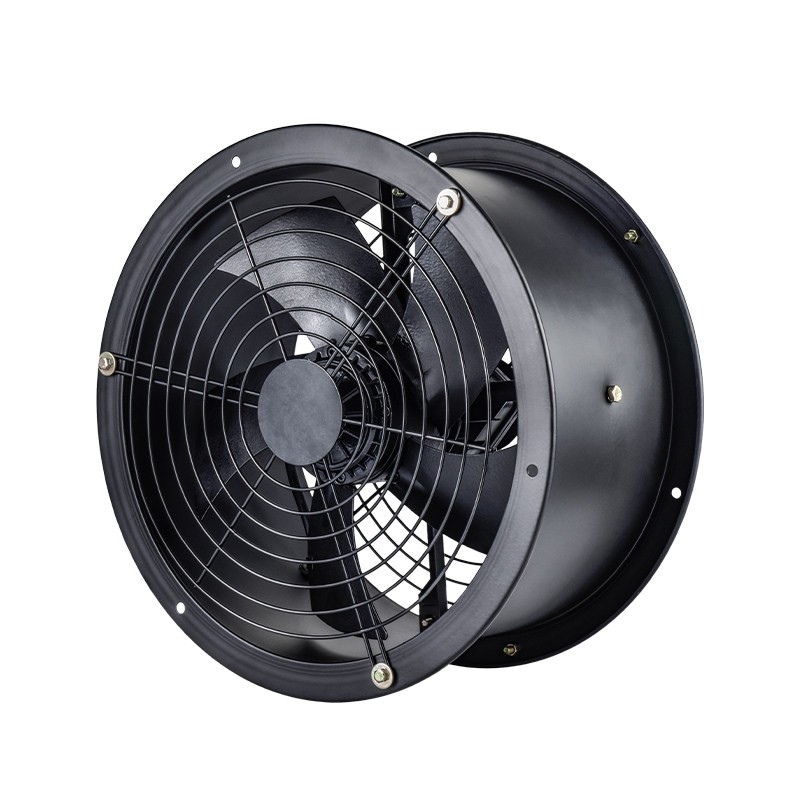
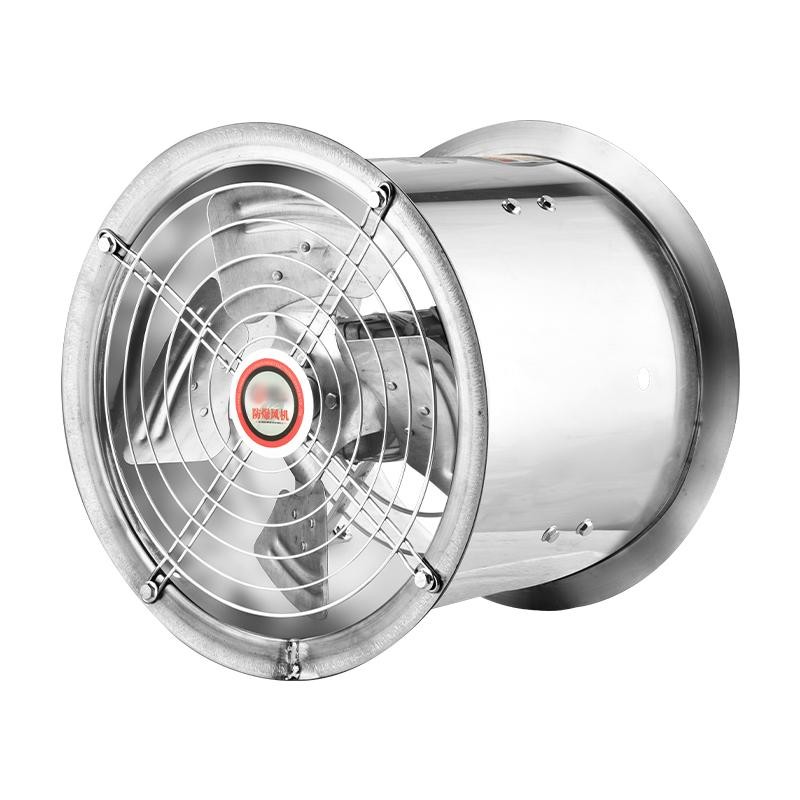
This dome ceiling fan page has a clear limit. The current ZICHENG catalog does not show a decorative or residential dome ceiling fan. It shows industrial axial and centrifugal fan products. A dome ceiling fan is not the same as a ducted centrifugal unit. Buyers should confirm the type before they compare products.
If the need is room comfort, a dome ceiling fan supplier is the better starting point. If the need is ducted air movement, an industrial fan may be relevant. The job can involve a factory, a large building, a kitchen exhaust line, drying, or another process. The two paths use different selection steps.
Start With the Duty Point
For industrial work, begin with the duty point. State the airflow you need. State the static pressure the system must overcome. A dome ceiling fan request often has no duct data. An industrial request should have it. Pressure loss can come from duct length, bends, filters, dampers, hoods, and transitions.
- Give the target airflow and its unit.
- Give the estimated static pressure and its unit.
- Show duct size, length, bends, filters, and dampers.
- State if the fan will supply, exhaust, or convey air.
- State the voltage at the installation site.
Do not select an industrial fan by airflow alone. A fan can move air in open space and still be wrong for a ducted system. The listed 9-19 and 9-26 products are high-pressure centrifugal fans. The listed 4-72A products are for industrial ventilation. Their published data must be compared with the actual system need.
Check the Air and the Site
A dome ceiling fan normally moves room air. Industrial equipment can face heat, dust, moisture, or process gases. These conditions matter. The 9-19 and 9-26 records describe non-corrosive, non-self-igniting, non-viscous media. They state a maximum medium temperature of 80°C. They also state a dust or hard-particle limit of 150 mg/m³.
The carbon-steel 4-72A record also has a non-corrosive and non-self-igniting gas boundary. The stainless 4-72A record names a 304 stainless-steel housing. This is useful product information, but it is not approval for every site. Check the actual gas, heat, dust, and material needs. For flammable, explosive, or unknown vapors, seek a separate technical and safety review.
Choose by System Need
Use a dome ceiling fan when the project truly needs ceiling-level comfort circulation and the right product category is available. Do not use this dome ceiling fan search term to assume that a centrifugal fan will fit a living space or a decorative interior. Industrial centrifugal fans are normally considered when a system has duct resistance or needs process, supply, or exhaust air.
Ask simple questions before you select equipment. Does the system need pressure to move air through ducts? Is the medium within the stated product boundary? Does the proposed motor match the available power? Is there space for the equipment, duct connections, and service access? A dome ceiling fan need may answer these questions very differently from an industrial project.
Send a Useful Inquiry
For a dome ceiling fan request, say that the need is residential or decorative. This makes the catalog boundary clear at the start. A dome ceiling fan inquiry should name the room use, ceiling detail, and comfort goal. A dome ceiling fan buyer should also state whether style is a key need. For an industrial request, send the application, airflow, static pressure, duct drawing, inlet temperature, medium, voltage, mounting space, and material preference. These facts make a product discussion more useful.
A dome ceiling fan buyer may only need room size, mounting details, and style needs. A dome ceiling fan request may have no duct design at all. An industrial buyer needs a duty point and site data. Keeping those requests separate avoids a poor product match. It also helps the supplier review the listed industrial range without claiming an unavailable dome ceiling fan model.

 EN