Set the Scope First
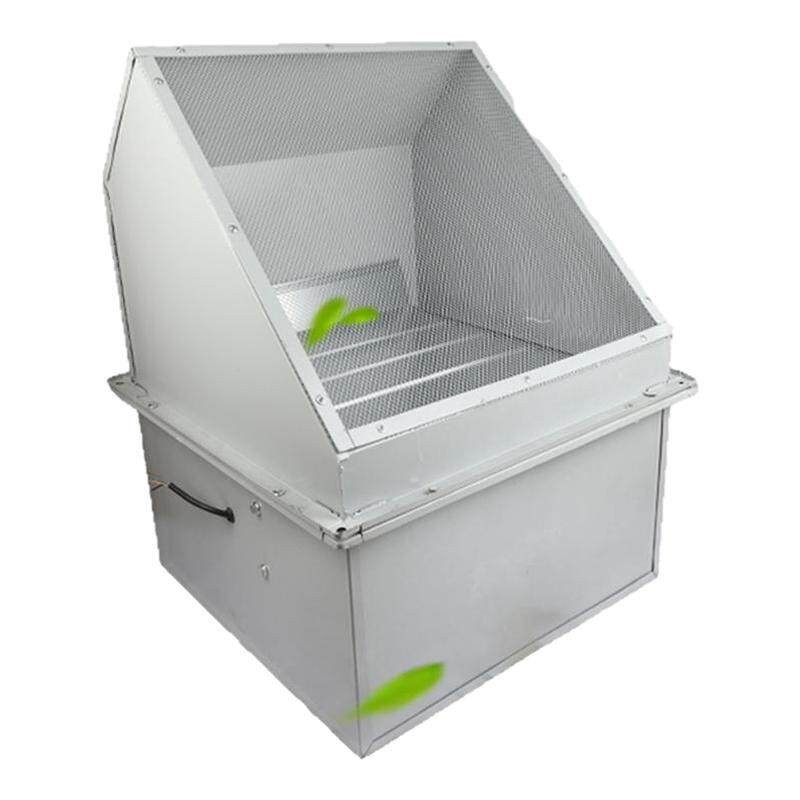
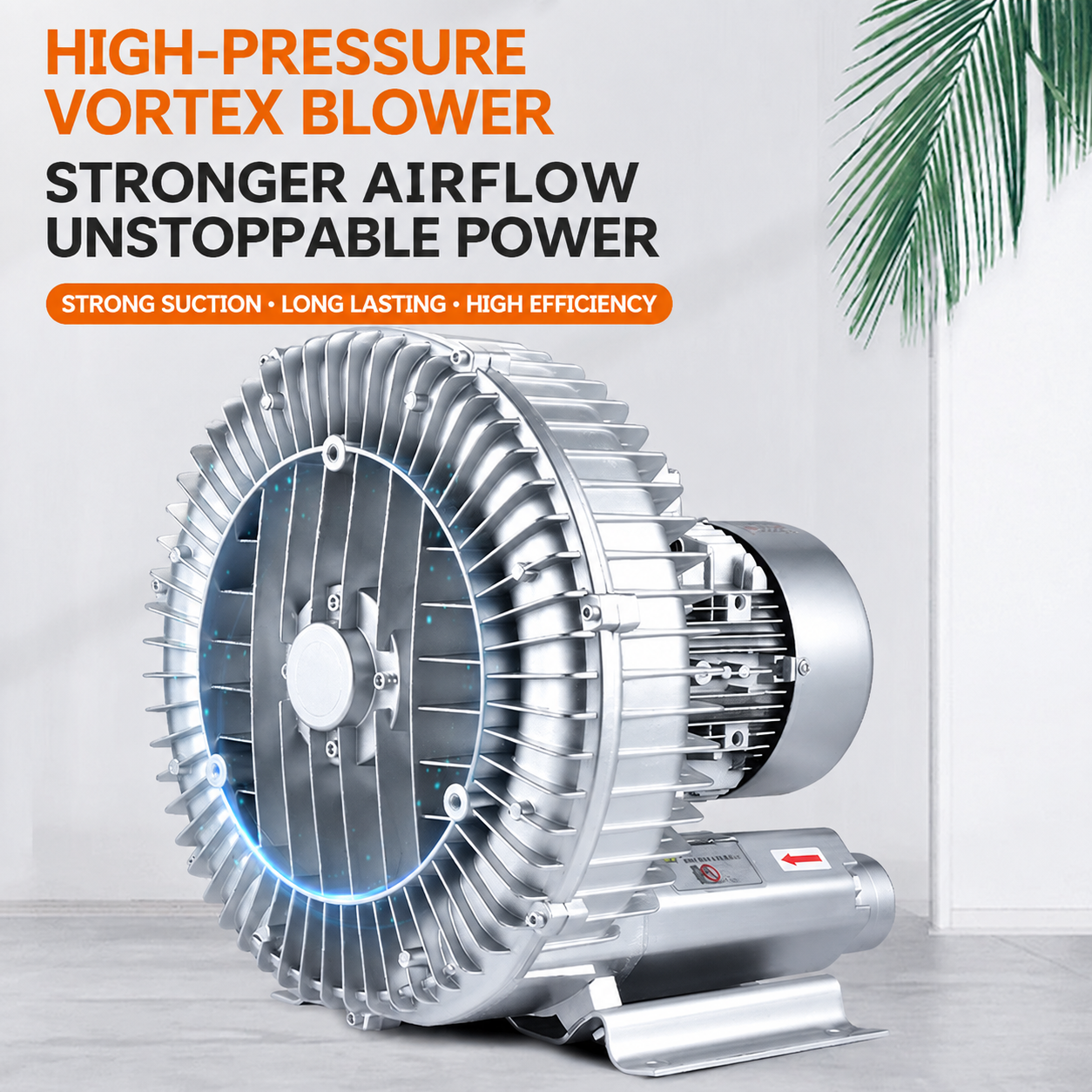
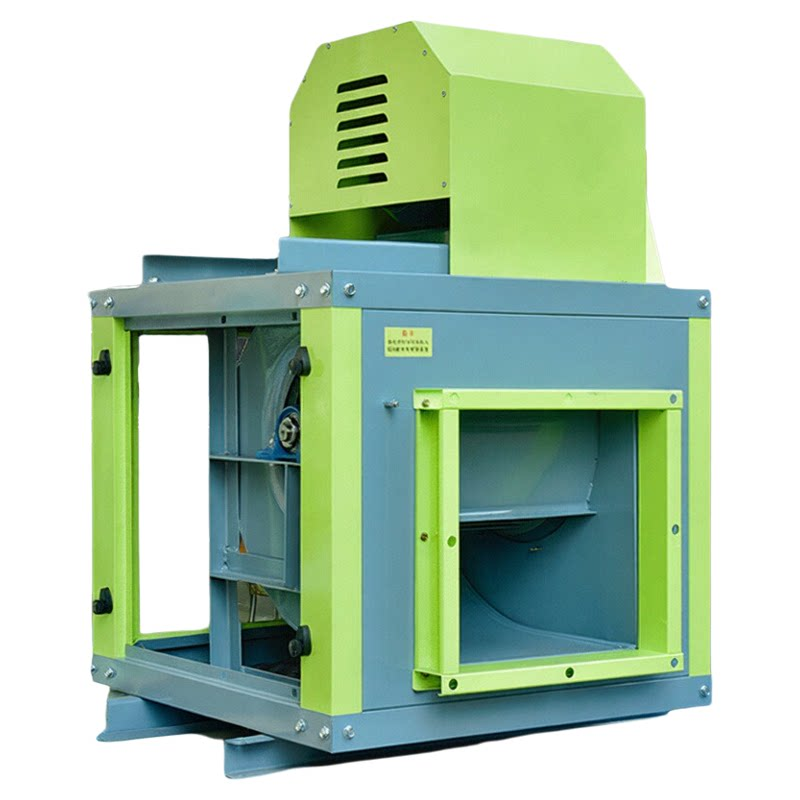
A commercial air handler may mean a full packaged unit. That unit can contain a fan, filters, coils, dampers, and controls. The listed ZICHENG products are centrifugal fans. They are not complete AHUs. A commercial air handler buyer should first state what equipment is needed. A commercial air handler specification should also show which functions belong to the fan and which belong to other equipment. Then the buyer can see if a listed fan could fit the air-moving part of the system.
Start with a short duty sheet. State the airflow needed. State the static pressure at that airflow. Say if the fan is for supply, return, exhaust, or a process line. Add the planned hours of use. For a commercial air handler retrofit, also share the old fan nameplate and the reason for change. A commercial air handler replacement needs the same basic data as a new installation. This helps separate a fan issue from a duct issue.
Match Airflow and Pressure
A commercial air handler fan must work with the full duct system. Long ducts, bends, filters, grilles, and dampers add resistance. A commercial air handler design should include this resistance before a model is selected. A high airflow figure alone does not show if a fan will work at the site. Ask for the fan curve. Compare it with the system curve at the required duty point. This is a key step for each commercial air handler review.
- Use the 4-72A options only if their stated range fits the planned duty.
- Review the 9-19 or 9-26 options if more pressure may be needed, subject to a duty-point check.
- Choose motor power from airflow and pressure together, not from airflow alone.
- Allow for added resistance when filters load or new fittings are added.
For a commercial air handler with a long duct route, include all major bends and fittings in the project notes. For a commercial air handler with filters, note the expected pressure loss. For a commercial air handler upgrade, note which parts of the duct system will remain in use.
Check the Air and the Site
The selected product records set limits that need review. The 9-19 and 9-26 records state a maximum medium temperature of 80°C and a particle limit of 150 mg/m³. The 4-72A records also state air and gas limits. These figures do not prove fit for every commercial air handler project. Check the air temperature, moisture, dust, and any chemical exposure before a fan is selected.
The carbon-steel 4-72A is a catalogue choice for general factory ventilation. The 304 stainless-steel 4-72A may be reviewed where a stainless housing is needed. The site condition still needs to match the product record. If the air is flammable, explosive, or outside the stated limits, ask for a separate review. Do not assume a listed fan will fit that commercial air handler duty. A commercial air handler in a wet or contaminated location needs an application review before a material is chosen.
Confirm Installation Details
Check the voltage, motor power, mounting method, rotation, inlet and outlet size, service space, and vibration control. Some selected product records list 380 V. Compare this with the power supply at the site. For a new commercial air handler installation, send a duct sketch if one is available. For a commercial air handler replacement, list the current airflow, pressure notes, duct changes, and fan details. A commercial air handler layout should also leave room for safe service access.
Send the Right Enquiry
For a useful commercial air handler review, send the airflow target, static pressure, air temperature, air condition, voltage, location, and duty type. Mention filters, long ducts, and corrosion concerns. A commercial air handler enquiry is stronger when it includes a basic sketch or measured site data. ZICHENG can review the listed centrifugal fan options against the data you provide. This does not turn a catalogue fan into a full AHU. It helps identify whether the fan merits further project review.

 EN