Define the Closet Air Handler Need
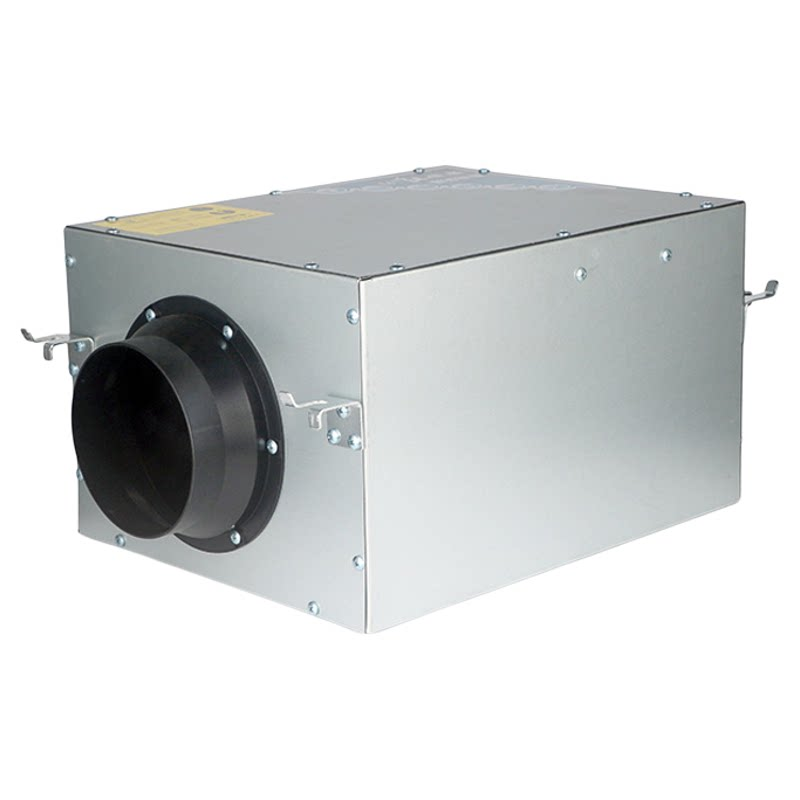
A closet air handler is usually an indoor HVAC unit in a small service space. A closet air handler may include an air mover, coil, filter area, controls, drain connection, and ducts. The exact parts depend on the system. This matters when you ask for a quote. A centrifugal fan moves air. It does not automatically provide every part of a closet air handler.
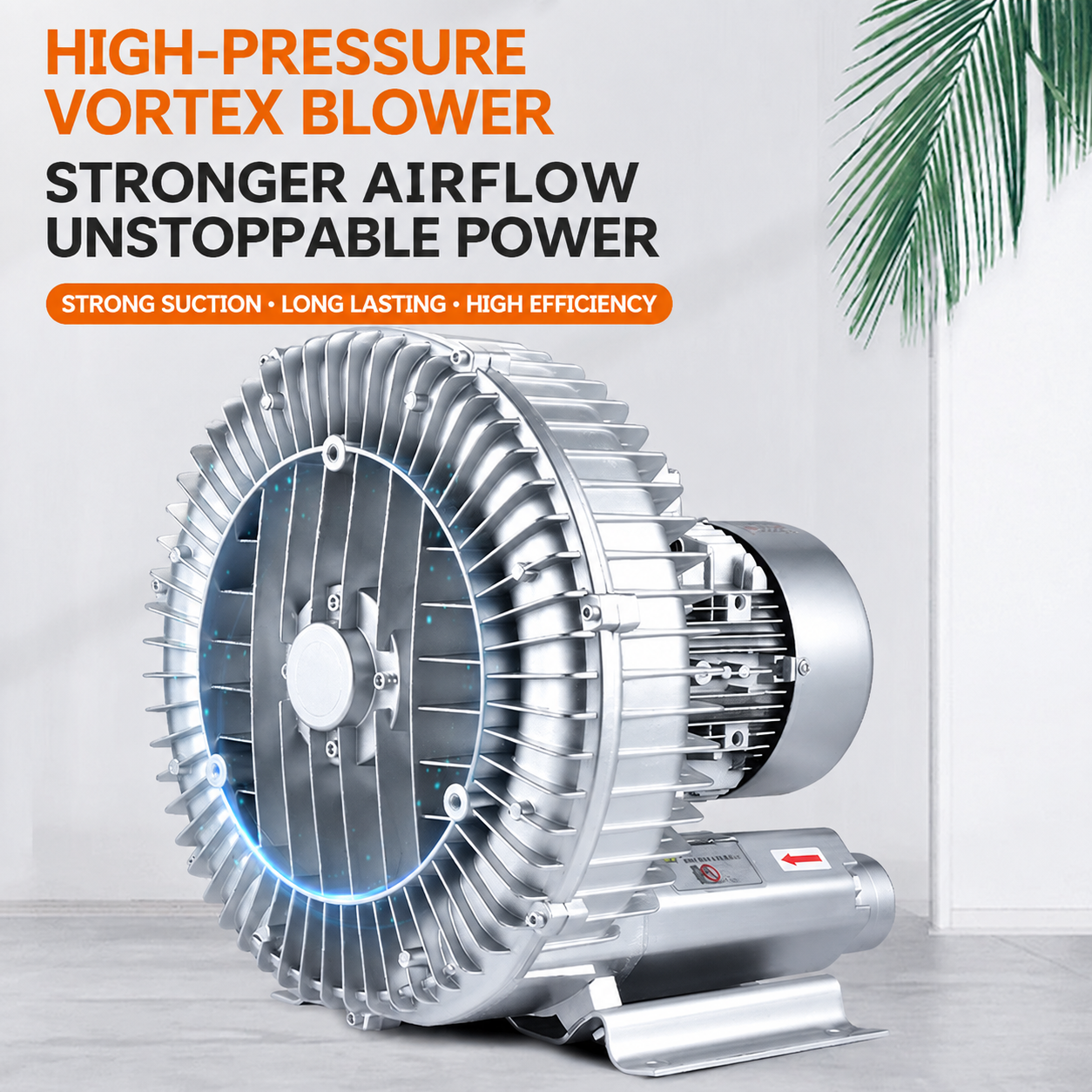
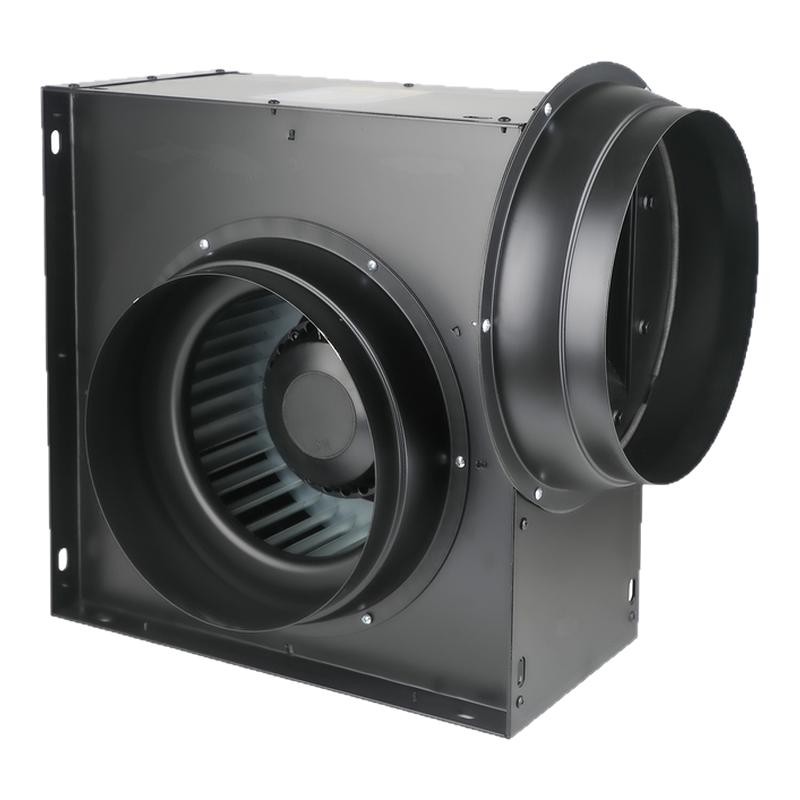
Start with a clear question. Do you need a full closet air handler for comfort cooling or heating? Or do you need a separate fan for an industrial duct system? These are different jobs. The current ZICHENG catalog lists fans, not complete closet air handler assemblies. Do not present a catalog fan as a complete closet air handler. A fan can be reviewed only when the design calls for a separate air-moving part.
Measure the Closet Air Handler Space
Measure the closet before you choose a closet air handler. Record clear width, depth, and height. Note the door swing. Mark the supply and return ducts. Mark the drain route and electrical point. A closet air handler must also have room for service. The filter, panels, wiring, and connections need safe access.
- Measure the finished closet, not only the size on a plan.
- Show where ducts enter and leave the closet air handler space.
- Leave access for filters, panels, drains, and electrical work.
- State if noise or vibration may affect nearby rooms.
A closet air handler that fits through the door may still be hard to maintain. Good access helps the installer and the owner. Include photos when you request a closet air handler review.
Set Airflow and Static Pressure
Airflow is important for a closet air handler. Static pressure is also important. Ducts, bends, filters, coils, and grilles add resistance. Long ducts and tight bends can add more resistance. A rated airflow figure does not show the air delivered in every real duct system.
Give airflow and static pressure as a pair. Add a simple duct sketch. Show main duct sizes and major bends. For a separate fan, this data helps decide if a centrifugal fan fits. For a complete closet air handler, share the same data with the HVAC designer or the closet air handler supplier. This keeps the selection tied to the real system.
Check Site Conditions and Power
Write down the room conditions around the closet air handler. Note heat, dust, moisture, and any corrosive air. State the expected work hours. Then check voltage, phase, and frequency. The published fan products have their own limits and uses. Check those limits against the real project. Do not assume they apply to every closet air handler job.
The listed 9-19 centrifugal fan is described for stated industrial duties. It may fit a separate process fan job when its published conditions match. It is not proof that the fan provides cooling, heating, filters, drains, or controls for a closet air handler. A clear use case helps confirm the right equipment class before pricing.
Prepare a Clear Request
Send useful data with your closet air handler inquiry. Include the application, airflow, static pressure, duct sketch, closet size, power, and room conditions. Include access limits and service needs. For an existing closet air handler, add the nameplate details and installation photos.
ZICHENG can review requests that match its published fan range. It can discuss standard or non-standard fan setups for a stated duty. If your project needs a complete closet air handler assembly, contact a supplier that offers that equipment. This clear boundary avoids a wrong match and gives the project team a better starting point.

 EN