Centrifugal Blower for Dust Collector Systems

Get a Free Quote

Our representative will contact you soon.
Email
Mobile/WhatsApp
Name
Company Name
Message
0/1000
Centrifugal Blower for Dust Collector Systems

Centrifugal Blower for Dust Collector Systems

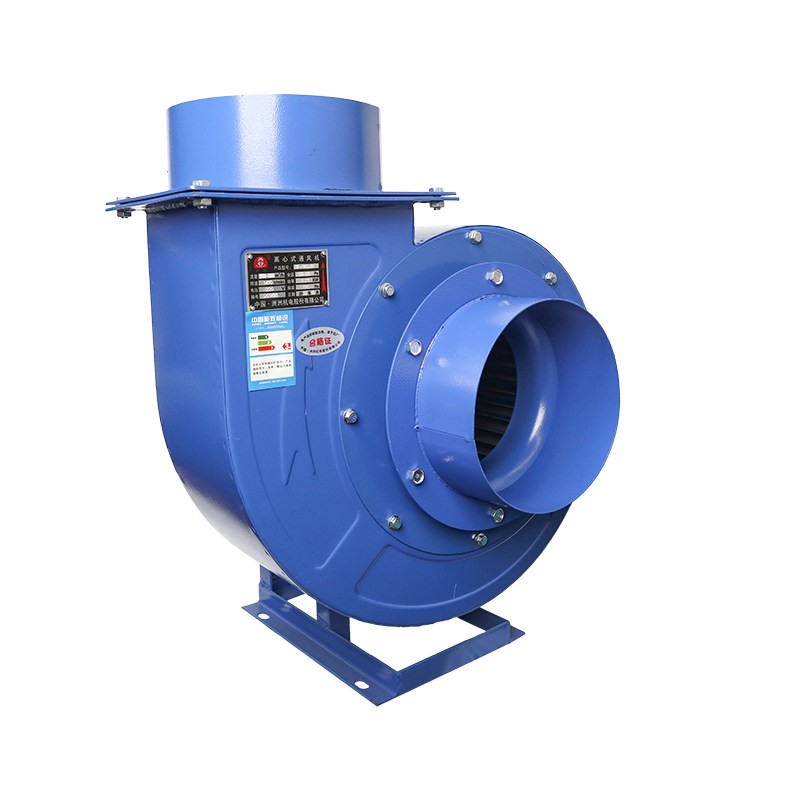
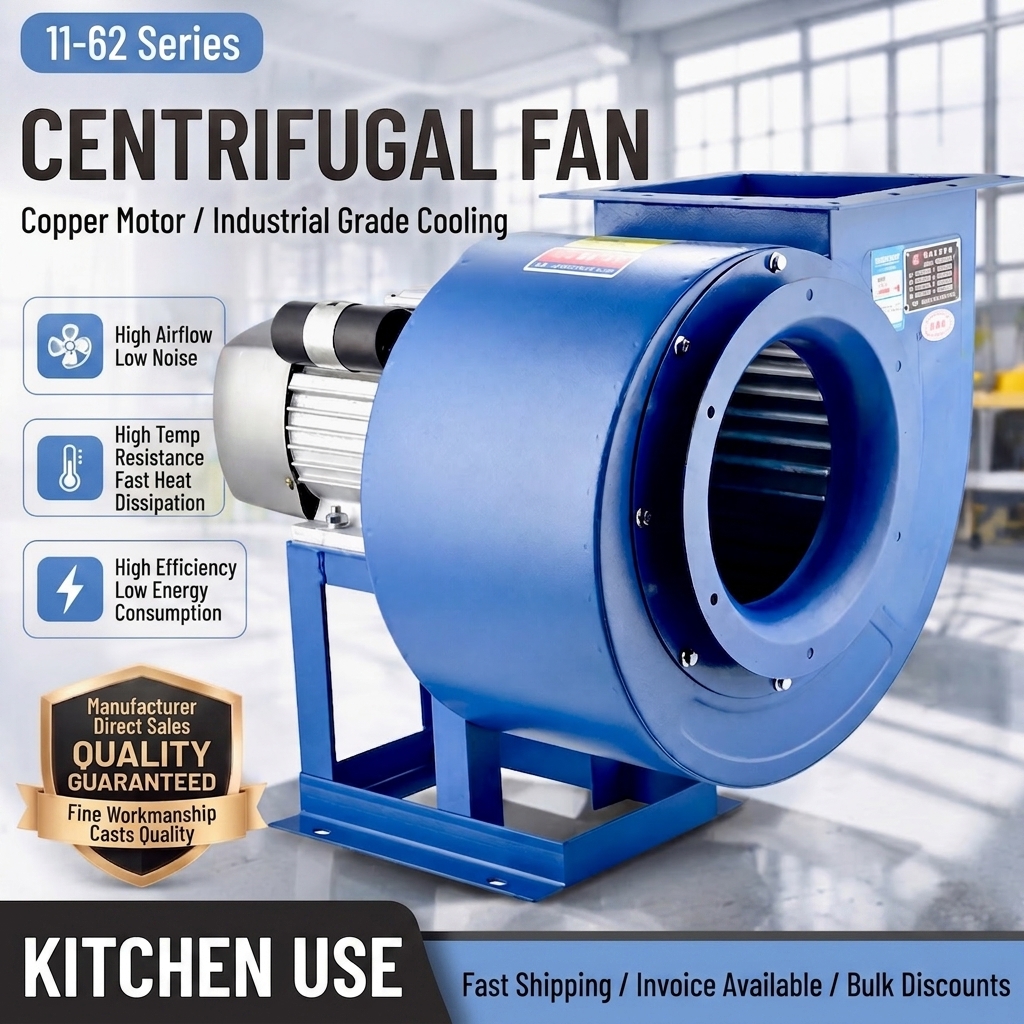
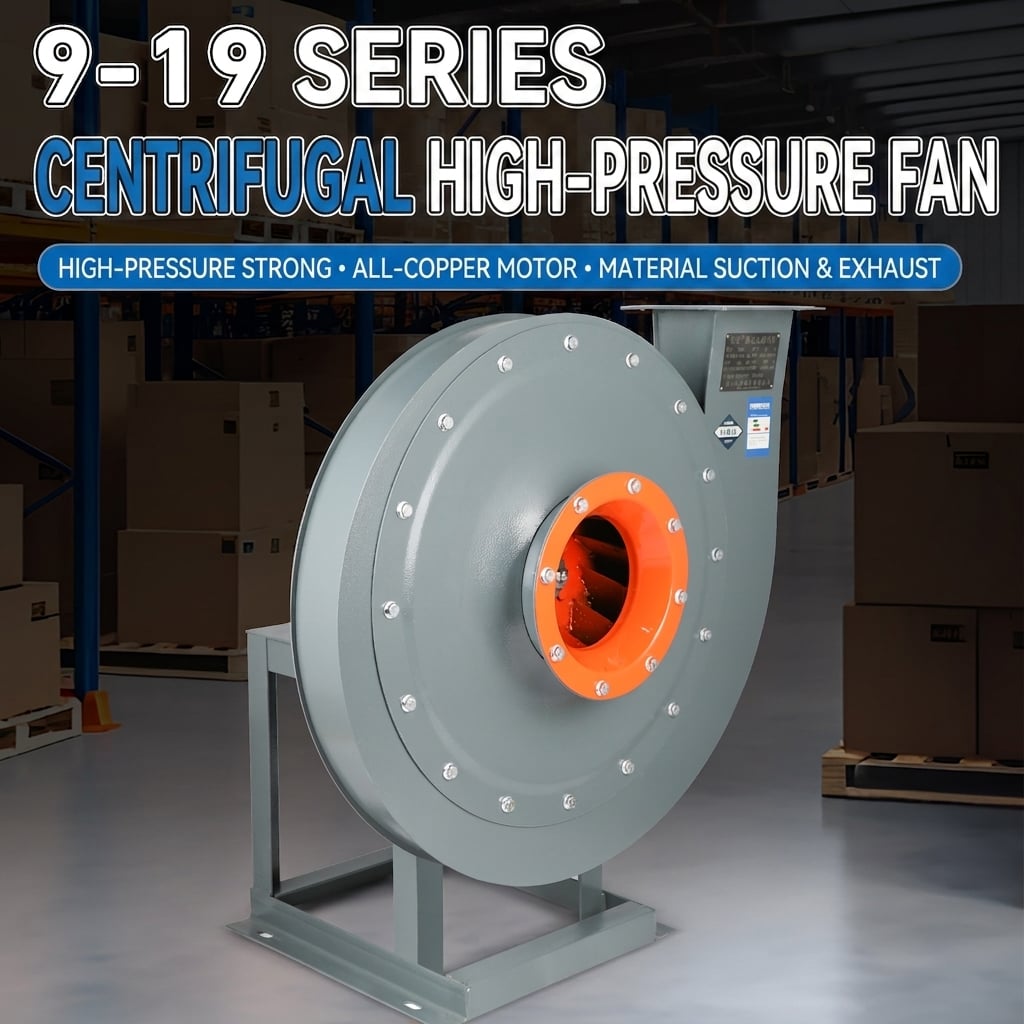
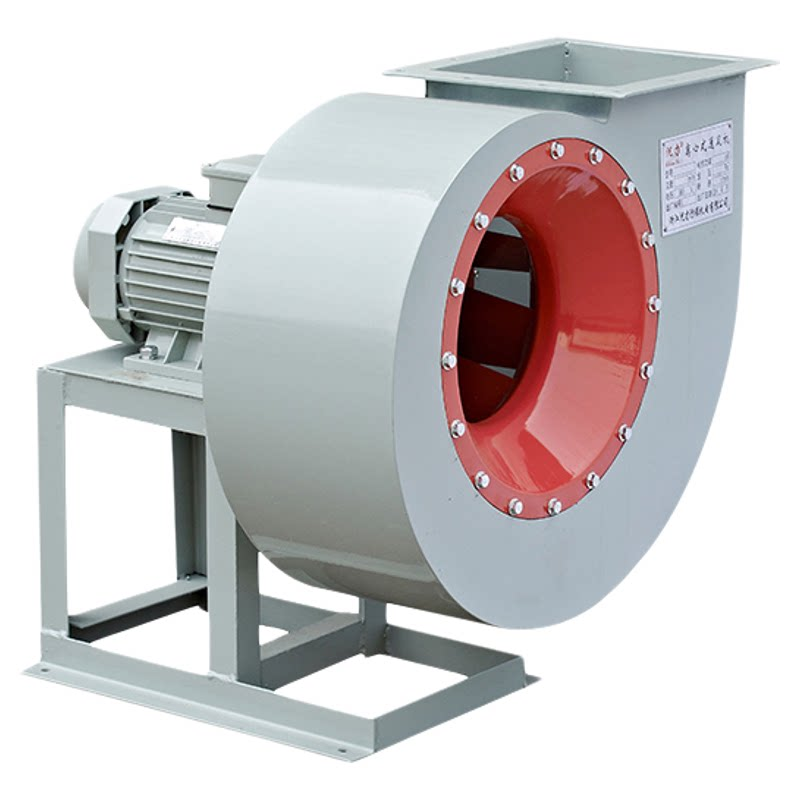
A centrifugal blower for dust collector work must suit the full air system. The centrifugal blower for dust collector has to move the needed air through hoods, ducts, filters, and the outlet. A centrifugal blower for dust collector service is not chosen by airflow alone. Static pressure is also key. This page shows catalog fan options for buyers who need to compare pressure class, air volume, material, and site limits. The 9-19 and 9-26 models are high-pressure options. The 4-72A models are lower-pressure options for general industrial air movement. Check the air volume, total pressure, gas temperature, dust type, power supply, and space before you choose a centrifugal blower for dust collector system. A centrifugal blower for dust collector use may need a different setup if the air stream is hot, corrosive, sticky, or combustible. Send the duty point and site details for a model review and quote.
Get A Quote

Manufacturer Support for Fan Projects

Verified supplier context for a centrifugal blower for dust collector project.

Direct Fan Manufacturer

Taizhou Zicheng Electromechanical Co., Ltd. is a manufacturer of axial fans, centrifugal fans, kitchen exhaust fans, and vortex blowers. Buyers can discuss a centrifugal blower for dust collector duty with the production source.

Duty Point Discussion

The site says its engineering team supports airflow and static-pressure sizing, model selection, material advice, and voltage advice before order. This helps frame each centrifugal blower for dust collector request around real site inputs.

Catalog and Custom Review

The business supplies standard models and discusses non-standard requirements. A buyer can first check whether a catalog centrifugal blower for dust collector system use matches the stated operating boundary.

Related products

Plan for Filter Resistance

Plan for Filter Resistance

A centrifugal blower for dust collector systems must handle resistance from hoods, ducts, bends, filters, and outlets. The selected 9-19 and 9-26 models list up to 9,200 Pa. The selected 4-72A models list up to 2,500 Pa. These are catalog limits, not a full system design. Check the required airflow and total pressure before selecting a centrifugal blower for dust collector service.

Define the Airflow Need

Start a centrifugal blower for dust collector inquiry with the air volume needed at each hood. List the hoods, their use times, and the parts that run at the same time. Add duct size, duct length, branches, bends, dampers, filters, and the outlet. These centrifugal blower for dust collector system parts create resistance. A centrifugal blower for dust collector system use must be checked at the required flow and total pressure. A peak airflow number is not enough.

For a retrofit, check the old system first. A larger fan will not fix a blocked hood or a poor duct layout. A loaded filter can also change centrifugal blower for dust collector results. Give the current fan details and the site problem. This makes a centrifugal blower for dust collector review more useful.

Compare the Pressure Class

The selected 9-19 and 9-26 catalog products are high-pressure centrifugal fan options. Centrifugal blower for dust collector model records list maximum total pressure of 9,200 Pa and maximum airflow of 7,000 m³/h. Selected centrifugal blower for dust collector 4-72A models list maximum static pressure of 2,500 Pa and maximum airflow of 20,000 m³/h. A centrifugal blower for dust collector work must match both flow and pressure. One number does not show the full duty point.

  • Set the airflow needed at the dust pickup points.
  • Estimate pressure loss through ducts, filters, and outlets.
  • Ask for the relevant fan curve for the proposed model.
  • Check the motor power, voltage, rotation, and mounting plan.

Use these steps when you compare a centrifugal blower for dust collector models. They help show whether the catalog range is close to the site need. They do not replace a technical check of the full system.

Check the Air Stream Limits

A centrifugal blower for dust collector use also has limits for the air stream. The selected 9-19 and 9-26 records say the medium must be non-corrosive, non-self-igniting, and free of viscous matter. They state a medium temperature of no more than 80°C. They also state dust or hard particles at or below 150 mg/m³. The selected 4-72A records give similar limits.

For a centrifugal blower for dust collector request, state if the dust is abrasive, wet, sticky, corrosive, combustible, or mixed with vapor. State the gas temperature at the fan inlet. Do not assume a standard centrifugal blower for dust collector duty fits conditions outside its catalog limits. Ask for a review if the process is outside the stated range.

Select a Housing Material

The selected 4-72A options include carbon steel and 304 stainless steel. A centrifugal blower for dust collector service should be compared with the actual air stream and site environment. The stainless centrifugal blower for dust collector option is a real catalog choice. It does not prove fit for every chemical or corrosive gas. Give details on moisture, dust, vapors, and cleaning methods.

Send Clear Project Data

For a centrifugal blower for dust collector review, send the airflow, total pressure, duct plan, filter type, dust details, gas temperature, voltage, and installation space. For a replacement, send the old fan nameplate and the problem seen on site. The company states it offers airflow and static-pressure sizing, model selection, material advice, and voltage advice before order. This gives a centrifugal blower for dust collector discussion a clear starting point. It can show whether a listed fan fits or whether another setup needs review.

Centrifugal Dust Collector Blower FAQ

Questions for a centrifugal blower for dust collector project.

What data helps size a dust collector blower?

For a centrifugal blower for dust collector request, provide airflow, total static pressure, duct size, duct length, bends, pickup hoods, filter type, gas temperature, power supply, and dust details. The centrifugal blower for dust collector is selected for the whole system. If you are replacing an old unit, include the nameplate data and the reason for replacement. This supports a check of flow and resistance instead of a choice based on one catalog number.
A filter adds resistance to a centrifugal blower for dust collector system. The pressure loss can change as the filter loads. Hoods, bends, and transitions also add resistance. Review the centrifugal blower for dust collector expected operating point on the fan curve. Do not select only by maximum airflow. The required airflow and total pressure should be checked with the duct and filter plan before a final model is chosen.
No. A centrifugal blower for dust collector work must stay inside the documented product limits. The selected 9-19 and 9-26 records state non-corrosive, non-self-igniting media without viscous matter, a maximum medium temperature of 80°C, and dust or hard particles at or below 150 mg/m³. The selected centrifugal blower for dust collector 4-72A records state similar limits. Ask for review of abrasive, sticky, corrosive, combustible, or hot process dust.
The selected catalog has both carbon-steel and 304 stainless-steel 4-72A options. A centrifugal blower for dust collector project may need a material review when moisture, chemical exposure, or corrosive conditions are present. A product name alone does not confirm suitability for every process gas. For the centrifugal blower for dust collector, share air-stream details, humidity, temperature, and dust type so the housing choice can be reviewed with the duty point.

Get a Free Quote

Our representative will contact you soon.
Email
Mobile/WhatsApp
Name
Company Name
Message
0/1000