Give the Supplier the Duty Point
Backward curved centrifugal fan manufacturers need system facts before they can suggest a model. Give the supplier the airflow you need at the point of use. Give the static pressure for the full duct path. Also give inlet gas temperature, dust level, voltage, and the space around the fan. These details are more useful than a product name alone.
Backward curved centrifugal fan manufacturers use these details to compare the request with a product record. They need the normal operating point, not only the highest target. They also need to know if the fan will run near heat, feed a filter, or serve a long duct line. This helps them explain the basis of a proposed choice.
Ducts create resistance. Bends, filters, dampers, hoods, and long runs all add to it. A fan may show a high airflow number in a simple test. It can give a different result after it is connected to a real duct route. For that reason, ask backward curved centrifugal fan manufacturers to review airflow and pressure together.
For a replacement, collect the old fan nameplate. Note any change in the duct system. A new filter, a longer branch, or a new hood can change the load. For a new project, share the layout and the normal work range. Backward curved centrifugal fan manufacturers can use this record to review the proposed fan against the actual job.
Confirm the Blade Form by Series
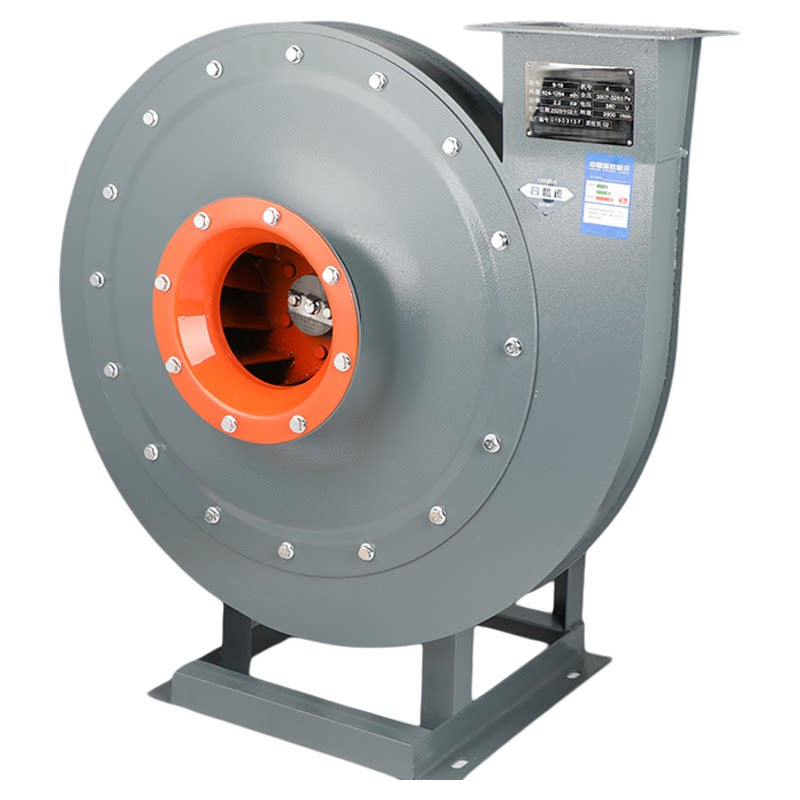
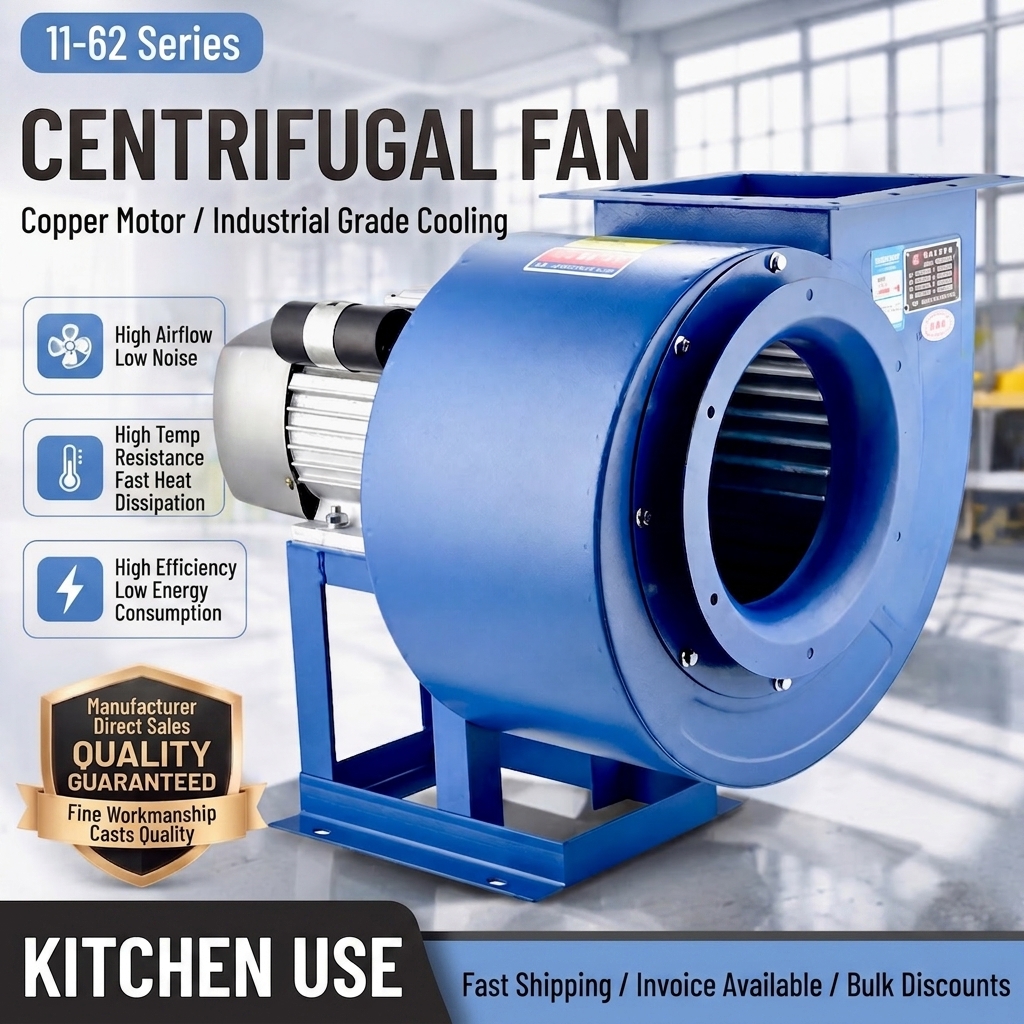
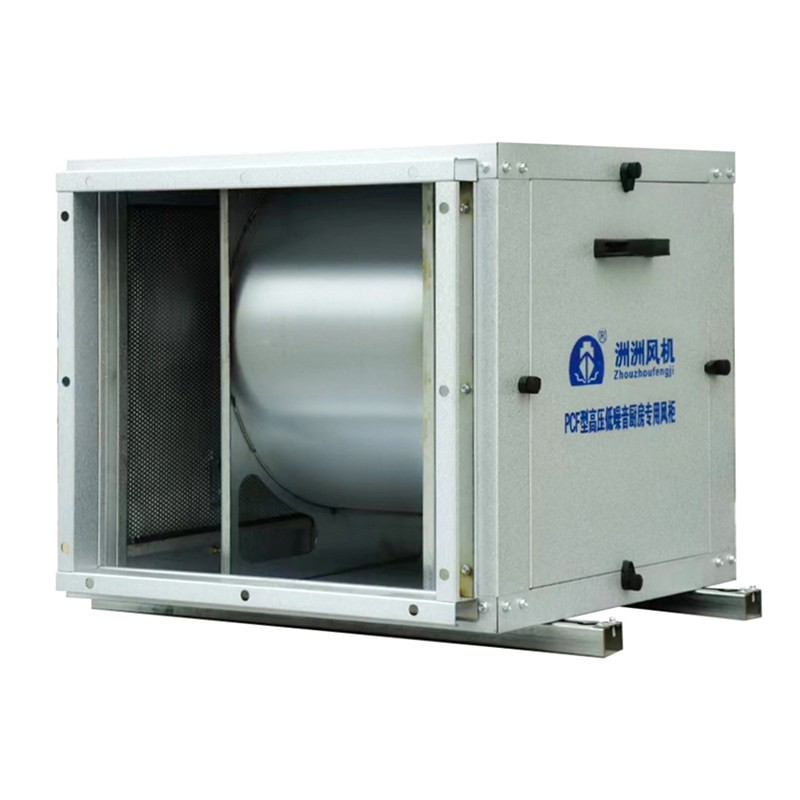
Backward curved centrifugal fan manufacturers should confirm the impeller type for each proposed series. Backward-curved is a blade description. It is not a claim that applies to every centrifugal fan. The selected Carbon Steel 4-72A Centrifugal Fan 2,500 Pa for Factories documents a backward-curved impeller. The selected 9-19 and 9-26 fans are other centrifugal choices. Their current records do not support the same blade claim here.
- Ask backward curved centrifugal fan manufacturers for the fan series, impeller form, and data for the proposed model.
- Compare the proposed airflow and pressure with the system need.
- Confirm the gas stream suits the stated operating limits.
- Check the inlet, outlet, mounting position, and service space.
Compare the Listed Product Facts
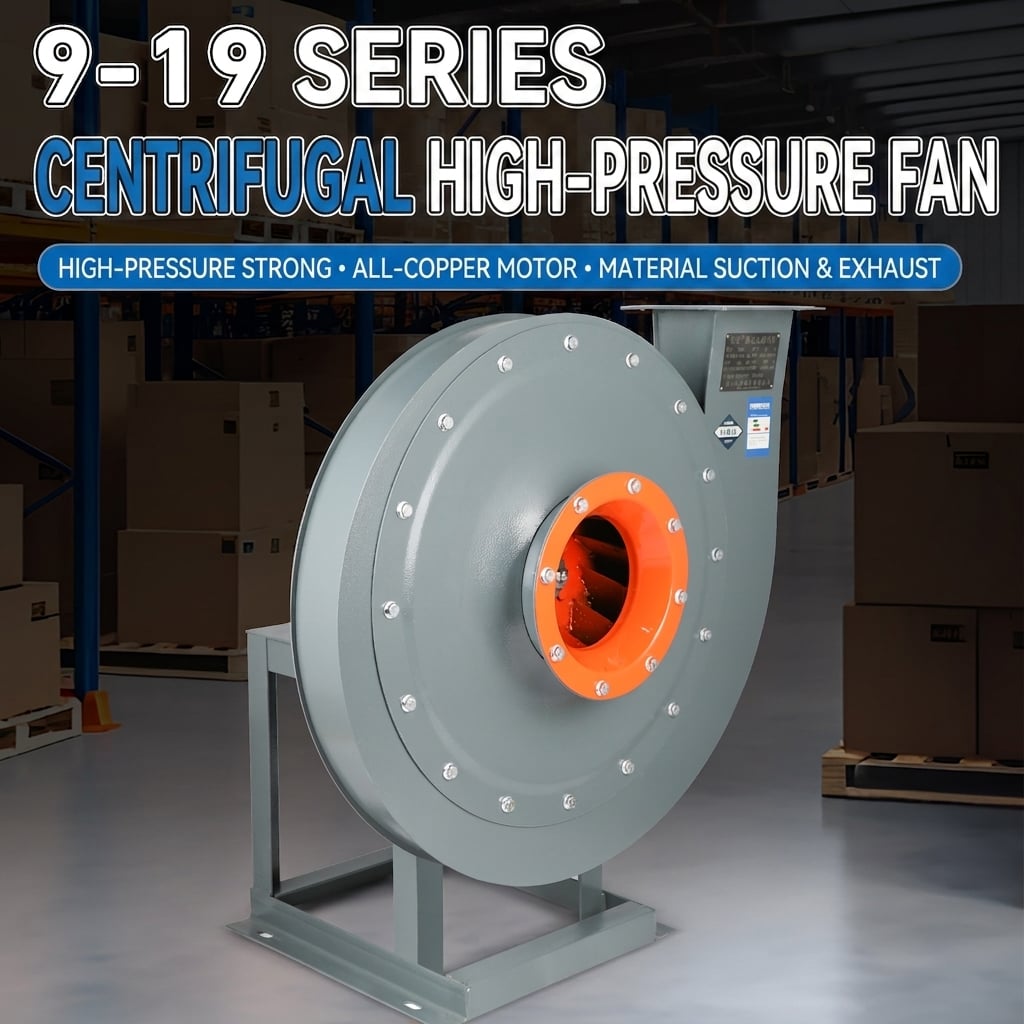
Backward curved centrifugal fan manufacturers may offer more than one pressure level. The current catalogue gives several starting points. The 9-19 high-pressure model lists up to 9,200 Pa and is listed for forging. The 9-26 high-pressure model is listed with a 30 kW option for conveying. The carbon-steel 4-72A lists up to 2,500 Pa for factories. The 304 stainless 4-72A lists up to 2,500 Pa for chemical settings.
These are model facts. They are not a promise that every model fits every job. The selected 9-19 record lists a gas temperature limit of 80 degrees Celsius and a dust limit of 150 mg/m³. The 4-72A records also give stated limits. If your site is outside a listed limit, ask backward curved centrifugal fan manufacturers for a review. Do not extend the model claim by guesswork.
Ask for a Clear Proposal
Good backward curved centrifugal fan manufacturers turn the duty point into a clear proposal. Ask for the series, motor power, airflow and pressure basis, material, voltage, and installation notes. If a custom option is discussed, ask what part will change and what data is still needed. This helps engineering, purchasing, and site teams review the same scope.
Taizhou Zicheng Electromechanical Co., Ltd. says it handles design, development, and production in house. It lists both axial and centrifugal fan products. Share airflow, pressure, gas, temperature, voltage, and duct data for a model review and quotation. Backward curved centrifugal fan manufacturers can use those inputs as a starting point for a documented comparison.
Check the Site Before Approval
Before you approve a fan, check the site one more time. Measure the available floor or platform space. Confirm the direction of the inlet and outlet. Check how the unit will connect to the duct. Leave room for access and normal service. A good model match can still be hard to install if these details are missed.
Also confirm the electrical supply at the site. The proposed motor and the available supply must agree. Tell backward curved centrifugal fan manufacturers if the fan will run for long periods, serve a filter, or work near a heat source. These simple facts help the manufacturer compare the request with the published model limits.

 EN