Set the Air Handler Duty Point
For an air handler job, begin with the airflow needed at the room or process point. Then find the pressure that the duct system creates at that airflow. Record the duct route, bends, dampers, filters, coils, silencers, grilles, and terminals. Each part adds resistance. Compare a centrifugal fan with the planned operating point, not only with its highest listed value.
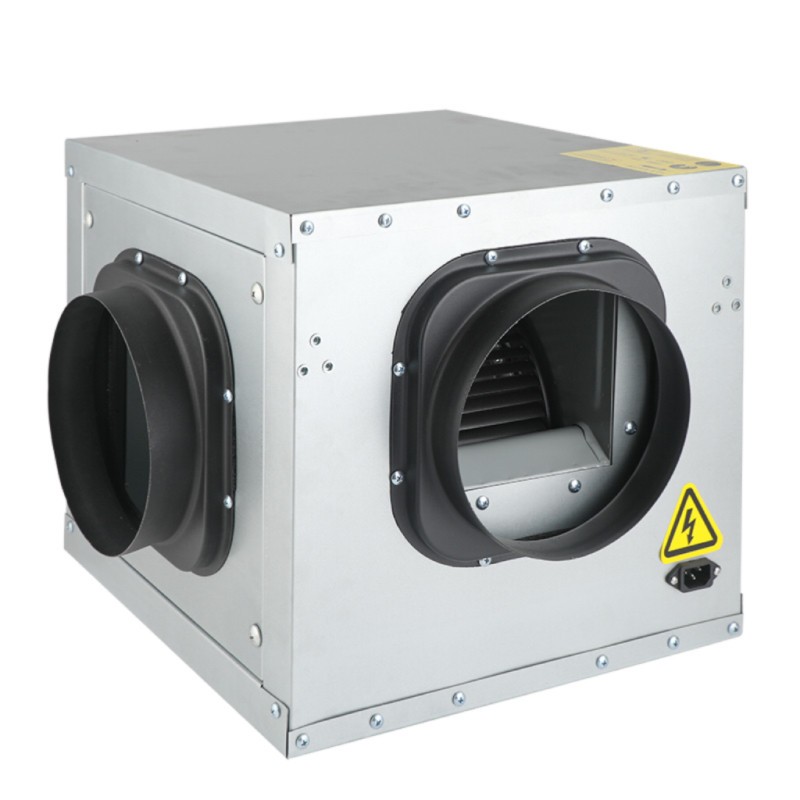
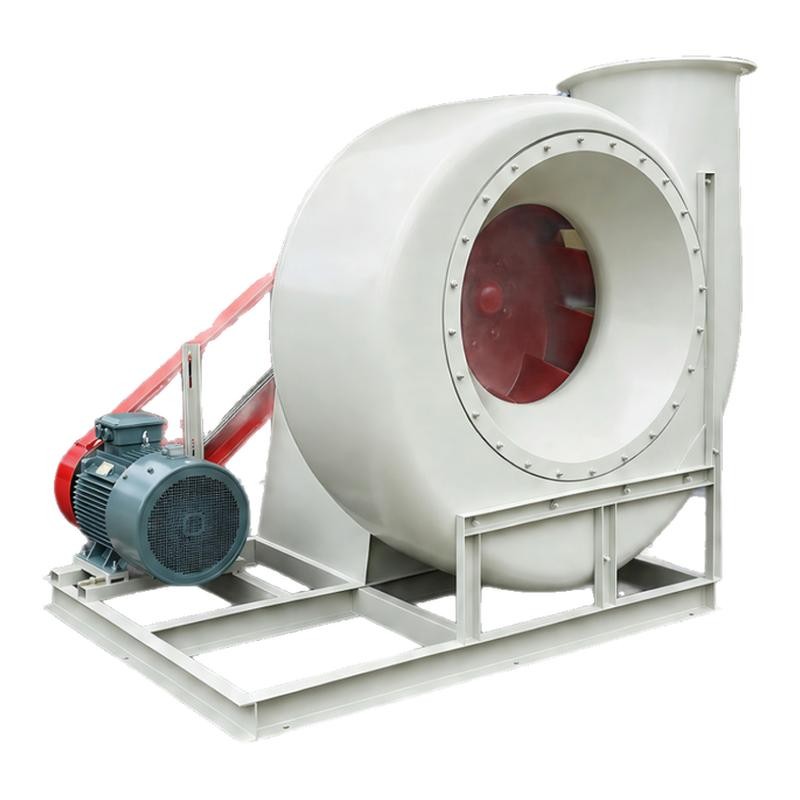
The products on this air handler page are centrifugal fans. They are not packaged air handlers. A full air handler may include a cabinet, filters, heating or cooling coils, controls, drains, access doors, and a fan section. If the job needs these parts as one unit, state that scope at the start. The fan should not be described as the full system.
For each air handler, keep the fan section and the rest of the assembly in the same project record. An air handler schedule should state which parts are included. This makes air handler comparisons easier.
Check Pressure in the Duct System
Static pressure is the force a fan must overcome to move air through the installed system. Long ducts, tight bends, branch lines, coils, filters, and dampers all add pressure loss. Filter loss may also rise during use. A fan that works in a short open connection may give less airflow after it is installed in a real duct system. Ask for the product curve. Compare the curve with the system curve at the required airflow.
- Write down the design airflow and the external static pressure at that point.
- Add known losses from filters, coils, dampers, silencers, and duct transitions.
- Note if the pressure will change as filters collect dust during service.
- Use the documented operating range instead of a maximum pressure number alone.
Review the Air Stream and Materials
Material choice depends on the air or gas and the site. The carbon-steel 4-72A listing covers air and gases that are non-self-igniting and non-corrosive to steel, within its listed limits. The 304 stainless 4-72A listing is a stainless option. These facts do not replace a review of the real air stream, humidity, dust, cleaning method, or local exposure.
The 9-19 and 9-26 listings are high-pressure centrifugal fan options for their documented uses. Check the actual medium and site conditions against the product information. Do not assume fit for flammable, explosive, highly corrosive, or other special conditions. Share those details for a separate review.
Plan the Air Handler Installation
Every air handler fan needs a practical installation plan. Check inlet and outlet direction, duct connection size, service space, support points, vibration control, motor access, and wiring. Check the available power supply against the product data. These items help show whether the fan can fit the wider air handler design without extra site changes.
For a replacement, provide the old fan label, duct size, motor data, and reason for change. For a new system, provide airflow, pressure, indoor or outdoor location, medium details, and the required configuration. Clear data gives the supplier a better basis for comparing catalog products or discussing a custom fan setup.
Compare Documented Fan Options
Use product records to compare air handler fan options. The 4-72A listings cover centrifugal fan options for general industrial and commercial ventilation. The 9-19 and 9-26 listings are high-pressure centrifugal fan options for their stated uses. The final choice should match airflow, pressure, material, temperature, dust, power, and the full system scope. Send the project data to request relevant product information.

 EN