Start With In Line Exhaust Fan Job Data
An in line exhaust fan works as part of a system. Start with the air that must be moved and where it must go. Note the room size, the heat or fumes at the source, the duct size, and the route to the outlet. An in line exhaust fan also needs the right power supply and a safe place for service. Do not choose a unit from one airflow number alone. The same fan can give a different result when the duct route changes.
Make a short job sheet before you ask for a quote. Add a simple sketch if you can. Show the fan point, the inlet, the outlet, and each main turn. State if the system will draw air out, push air out, or do both. This lets a supplier review an in line exhaust fan against the real work, not a guessed use. A good sketch can also show parts that need cleaning access.
Check In Line Exhaust Fan Airflow and Pressure
Airflow is the amount of air moved in a set time. Pressure is the force needed to move that air through the duct. An in line exhaust fan needs both values. A short and wide duct can have low loss. A long duct with many turns can have much more loss. Filters, hoods, grilles, and dampers also add loss. Each part can change the air flow at the end of the run.
- Measure the duct length from the pick-up point to the outlet.
- List each bend, branch, filter, hood, grille, and damper.
- State the duct size and note any sharp change in size.
- Nuntia suppeditatori an ventiliator tota die moveatur an tantum temporibus certis.
Un ventilatoru de exhalare in linie trebuie verificatu la punctulu de sarcină planificatu. Aceasta inseamna debitulu de aer necesar si presiunea asteptata in sistem. Daca traseul nu este cunoscut, oferiti cele mai bune date disponibile privind amplasamentul. Este mai bine sa revizuim o estimare clara decat sa folosim doar o valoare de aer liber. Un ventilatoru de exhalare in linie cu potrivire incorecta a presiunii poate sa nu deplaseze aerul necesar la iesire.
Comparati tipurile de ventilatoare de exhalare in linie
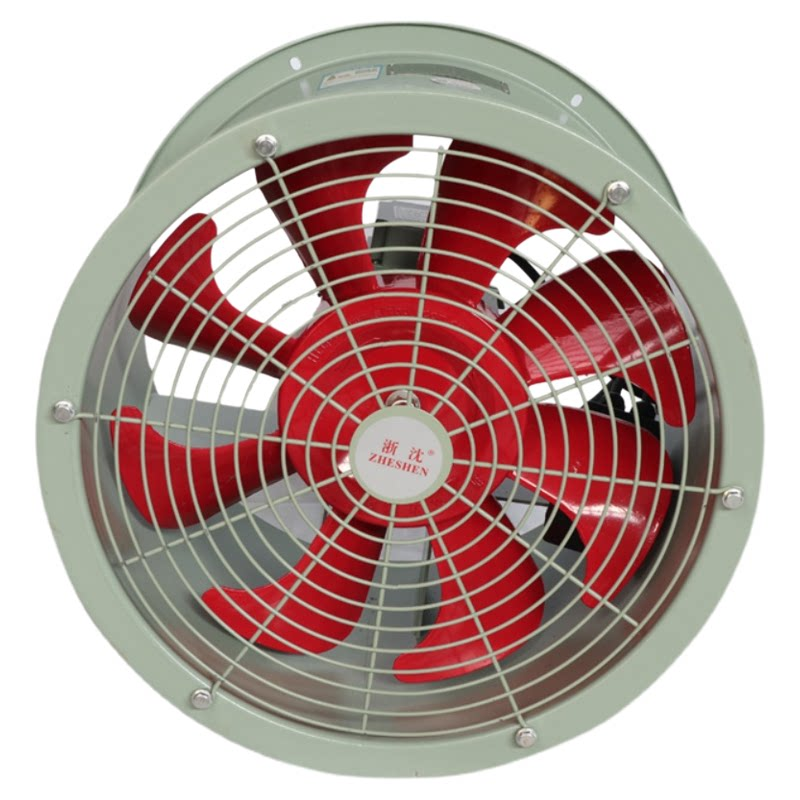
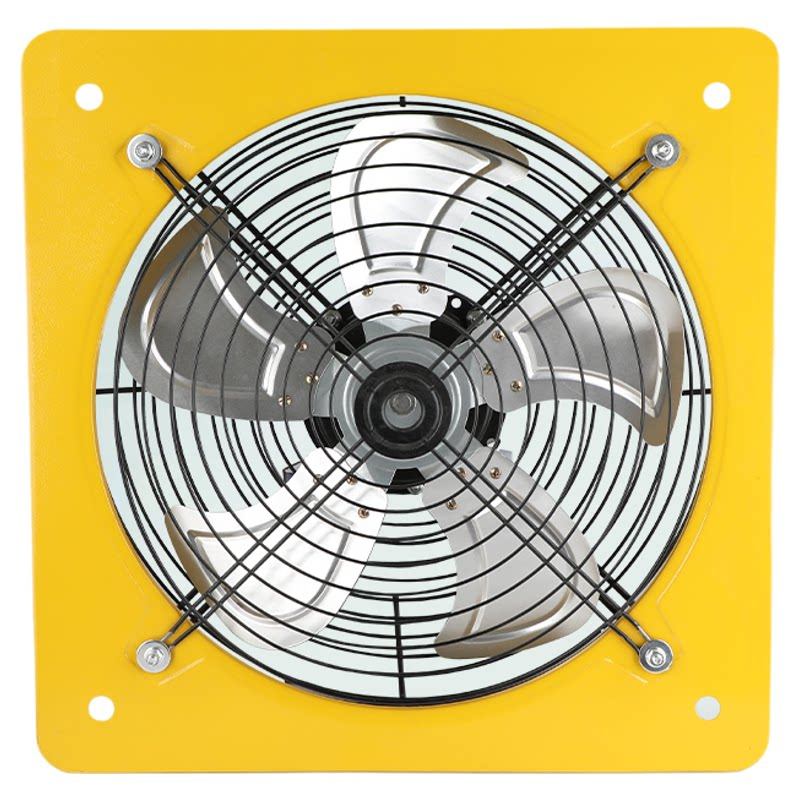
Catalogul ofera variante axiale, axiale portabile si centrifugale. Un model axial poate fi luatu in considerare atunci cand o aplicatie de ventilatoru de exhalare in linie necesita un debit mare de aer si conducta are o rezistenta joasa. Ventilatorul axial din otel inoxidabil 304, pentru temperaturi pana la 200°C, destinat incaperilor de uscare, este listat pentru utilizare in uscare. Ventilatorul axial cu pale din aluminiu, cu debit de 39.000 m³/h, destinat uscarii tutunului, este listat pentru lucrari de uscare de volum mare. Acestea sunt alegeri apropiate din catalog. Ele nu garanteaza o potrivire exacta a ventilatorului de exhalare in linie. Solicitati intai verificarea montajului, a racordului la conducta, a presiunii si a debitului de aer.
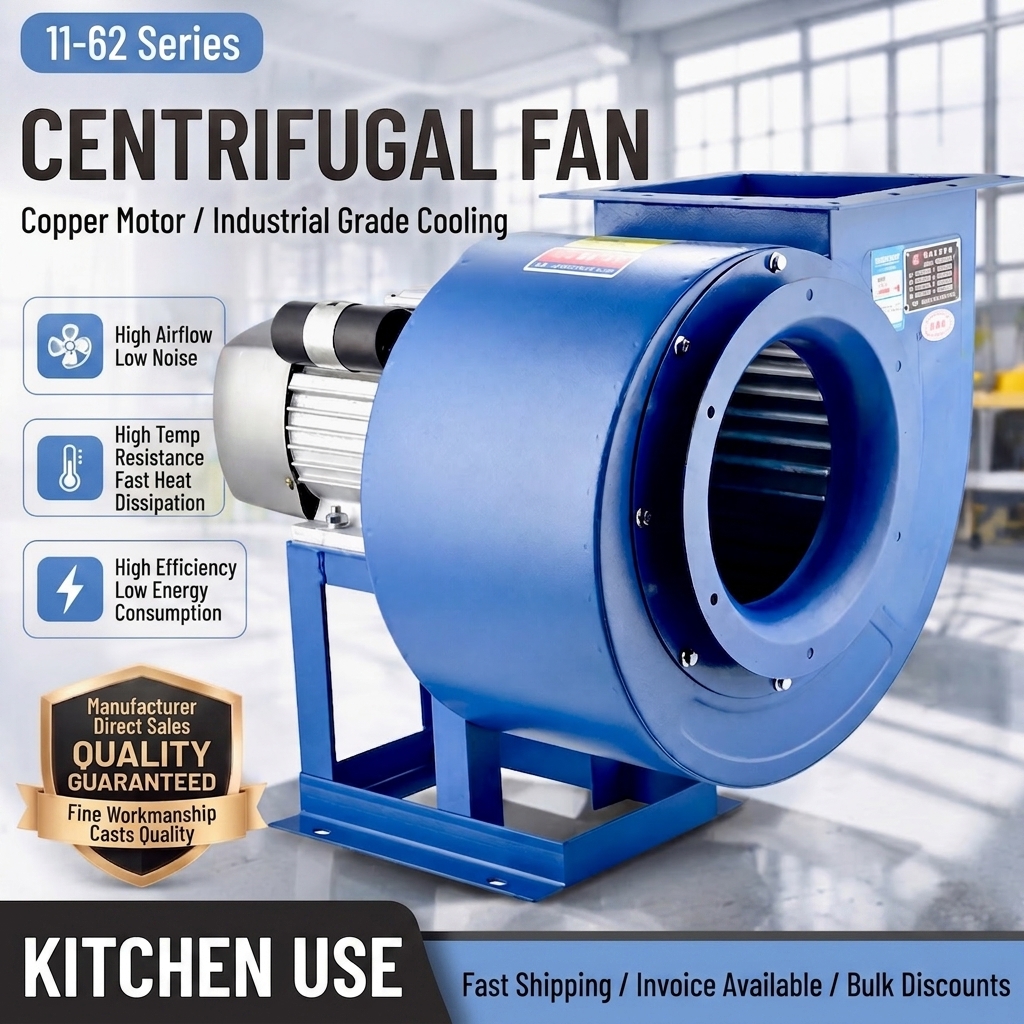
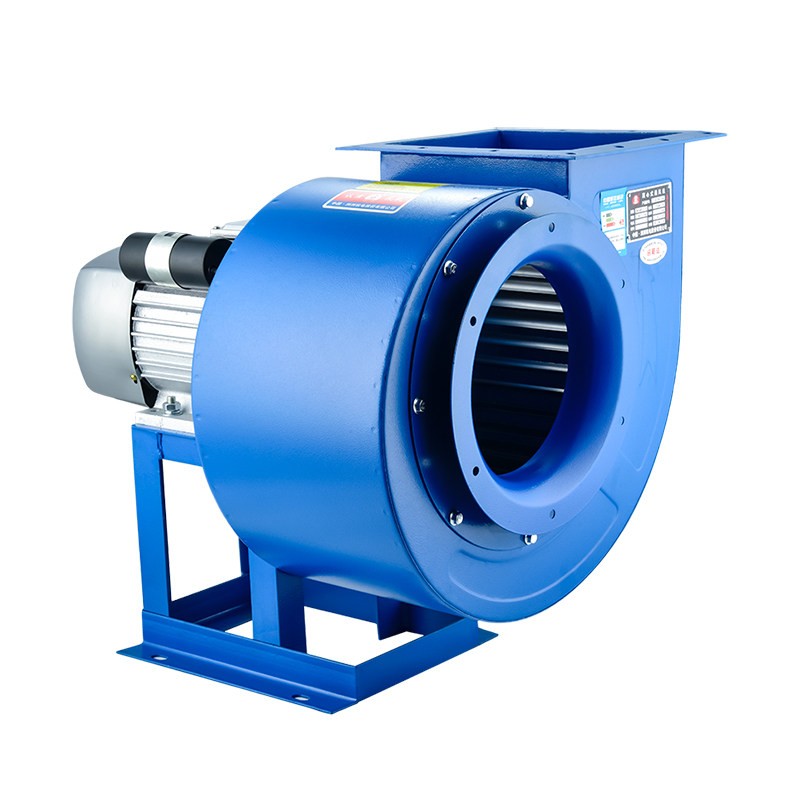
The Portable Axial Flow Fan 10,000 m³/h for Confined Spaces is listed for use with telescopic ducts. It can suit a short-term job where a fixed system is not in place. It is not a stand-in for a fixed extraction system. An in line exhaust fan for a fixed run needs a full site review. For a duct with more resistance, review the 11-62 Low-Noise Centrifugal Fan 65 dB for Hotel Kitchens. Its record lists a multi-wing centrifugal form. Final fan choice must still fit the job data.
Know the Air and the Site
State what is in the air before you choose an in line exhaust fan. Heat, damp air, grease, dust, and chemical vapor can all affect the product choice and care plan. The 304 Stainless Steel Axial Fan record lists 304 stainless steel and a stated limit for its drying use. Use that fact only when the site is within the confirmed product range. For a kitchen or process job, also plan for cleaning access and follow local rules for the duct and outlet.
Send In Line Exhaust Fan Facts for Review
Pro unum citatum ventilatorem in linea, mitte fluxum aeris petitus, pressionem aestimatam, magnitudinem canalis, longitudinem canalis, cursum, voltationem, genus aeris, et temperaturam loci. Adde limites de strepitu, spatio, aut aditu ad servitium. Indica si aer continet calorem, umorem, oleum, pulverem, aut vaporem. Si regula aut codex applicatur, dic aequipe projectus quod genus normarum id sit et roga eos ut eam inspiciant pro loco. Zicheng potest disserere de ventilatore exhaustorio in linea ex sua serie axiali et centrifugali postquam recensuerit facta enuntiata. Ventilator exhaustorius in linea requirit data loci, data canalis, data pressionis, et data fluxus aeris.

 EN