Define the Lawn Blower Job
A lawn blower can mean a consumer leaf tool. It can also be a broad search for air-moving equipment. This lawn blower page is about industrial equipment. It does not claim that the listed catalog is a consumer lawn blower range. The first step is to name the job. Is the lawn blower request for outdoor cleanup, temporary ventilation, drying, aeration, or process air? The answer changes the product discussion.
For every lawn blower request, explain what must move and where the air must go. Note whether the unit is portable or fixed. Note whether people, ducts, heat, dust, or moisture are present. A clear lawn blower brief helps the supplier avoid a poor product match. It also helps a buyer compare the right catalog category.
Check the Air Path
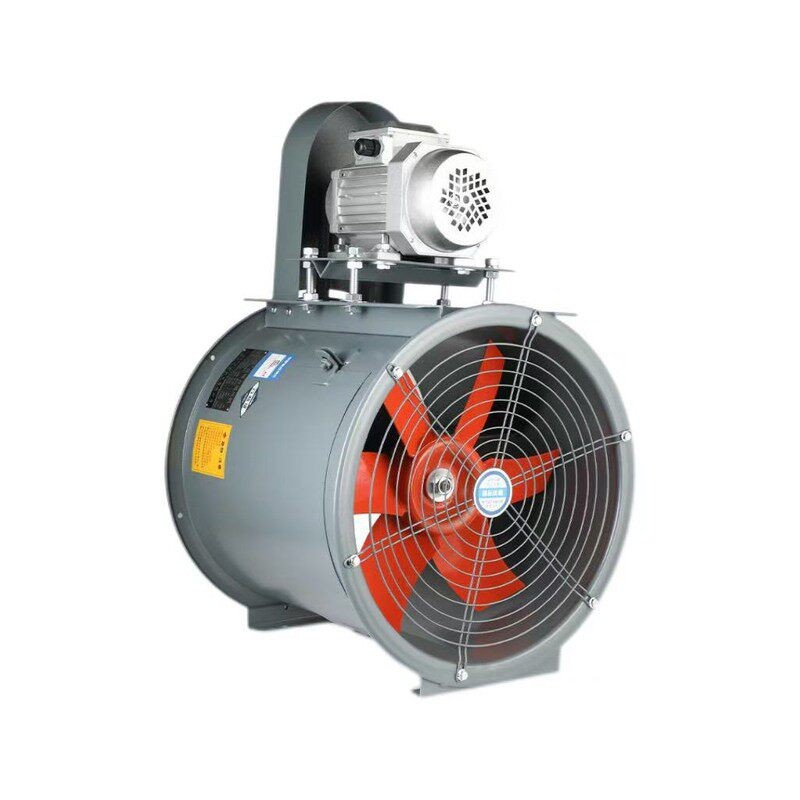
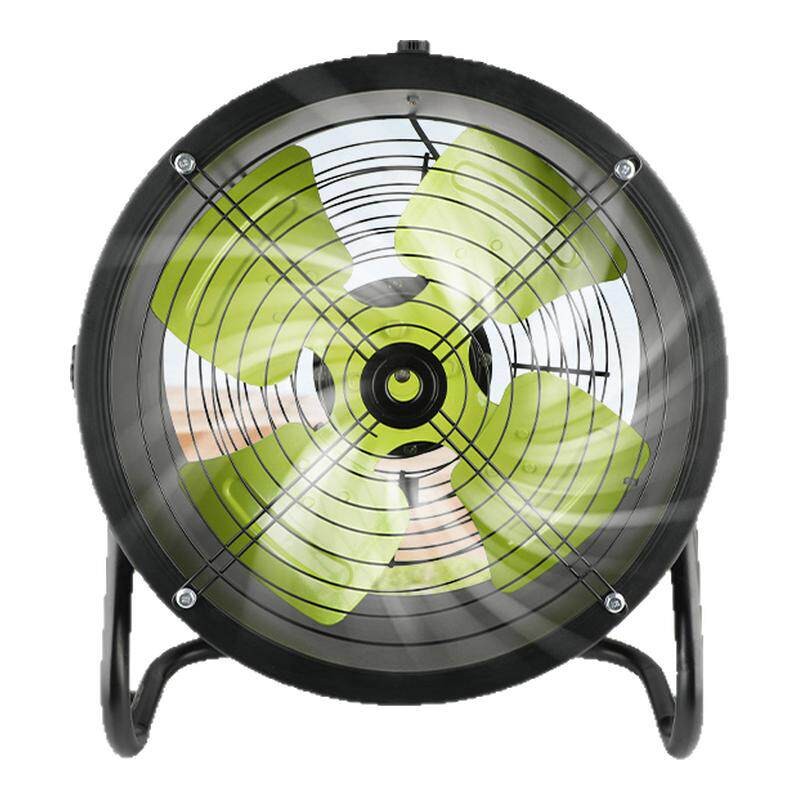
Open-air movement and ducted airflow are different jobs. An axial fan moves air in the same direction as its shaft. It can be useful when a lawn blower project needs a high volume of air through an open path. The Portable Axial Flow Fan is listed for confined spaces. It can connect to telescopic air ducts. This makes it relevant to a lawn blower inquiry when temporary air routing is the real need. Its listed range is 3,000 to 10,000 m³/h across its configurations.
- For a lawn blower used for local ventilation, give the space size and access points.
- For a lawn blower project with ducts, give the duct size, route, bends, filters, and outlet.
- For a lawn blower request in a drying area, give the temperature and humidity conditions.
A rated airflow figure is not the full answer. Ducts, bends, filters, and outlets change the real operating point. A lawn blower selection should use the airflow and pressure needed at the site. It should not use the largest number in a title alone.
Review Pressure Demand
A lawn blower task with long ductwork may need more than open-path airflow. Static pressure then matters. The 9-19 High-Pressure Centrifugal Fan is not the same as an axial fan. Its catalog record states a maximum total pressure of 9,200 Pa. It is for industrial work within its stated medium limits. It is not a consumer lawn blower substitute.
For a lawn blower inquiry with a ducted system, provide duct length, diameter, bends, filters, inlet layout, outlet layout, air medium, and temperature. This lets the supplier consider pressure demand. An open site may suit an axial option. A resistance-heavy system may need centrifugal review. The lawn blower label alone cannot make that choice.
Separate Process Air From Cleanup
The listed vortex blower has a different role. It supports positive-pressure blowing and negative-pressure suction. Its catalog record gives a maximum airflow of 1,200 m³/h and a maximum pressure of 90 kPa. Its listed uses include aeration, water treatment, aquaculture, and manufacturing. A lawn blower search should consider this model only when the real need is continuous industrial air, not debris clearing.
For a lawn blower-related process-air request, give the duty point, run hours, inlet condition, discharge arrangement, power supply, and cleanliness need. A larger unit is not always a better unit. Too much capacity can add noise, power use, or control issues. The right lawn blower-adjacent product depends on the actual load.
Send a Useful Selection Brief
Before asking for a quote, collect the facts that change product fit. The supplier can then review portable axial, large axial, vortex, and centrifugal options. If you need a consumer lawn blower for leaf clearing, state that directly. The current catalog is adjacent industrial equipment, not an exact leaf-blower match.
- State the lawn blower task: cleanup, ventilation, drying, aeration, dust handling, or process air.
- Provide the target airflow or the space size and air-change goal.
- List duct size, route length, bends, filters, and outlet limits for ducted work.
- Confirm temperature, moisture, particles, power supply, mounting method, and quantity.
This lawn blower information supports a focused product discussion. It keeps any recommendation tied to the actual work environment.

 EN