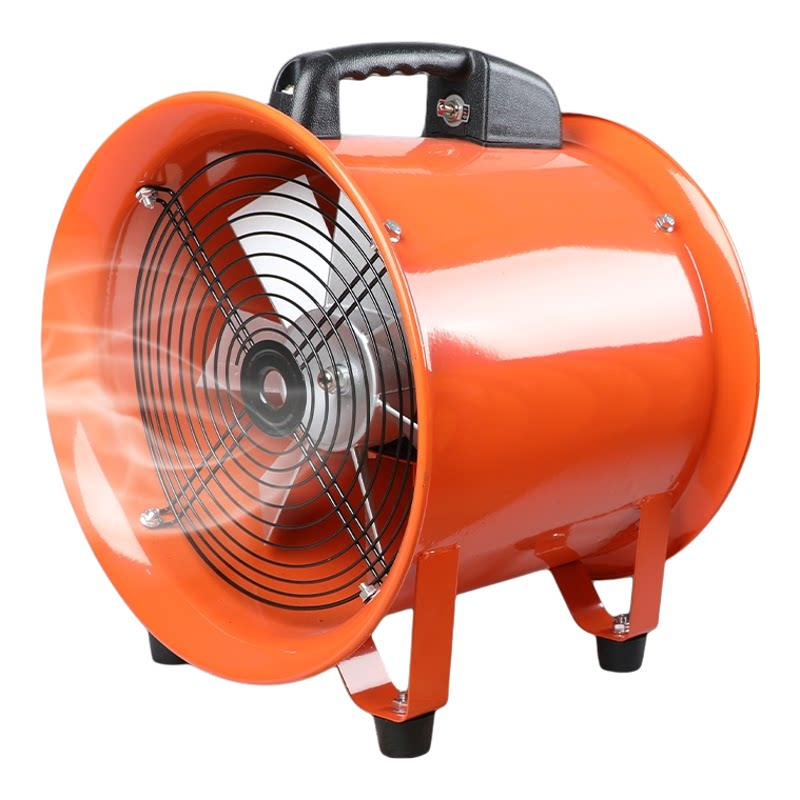
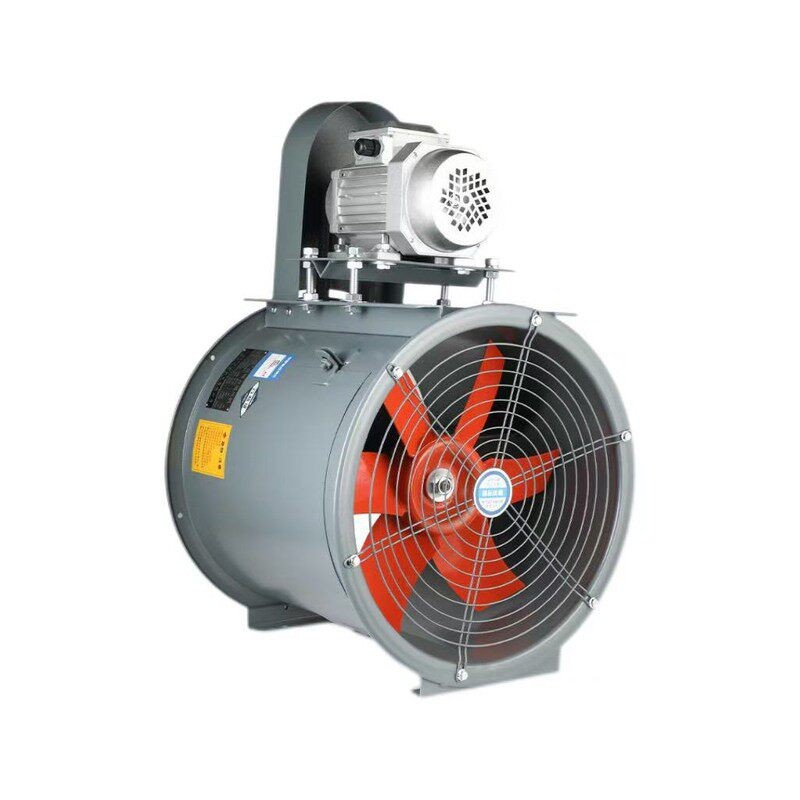
Define the Drying Job
An industrial drying fan is part of a process. Start with the job. Is air moving across a product, around a room, through a dryer, or out of a wet space? State the room size, product load, heat source, and air inlet and outlet points. For a line, state conveyor speed, nozzle layout, and the needed air cleanliness. These details make an industrial drying fan review more useful than a category search.
An industrial drying fan can move air across a drying load. An industrial drying fan can circulate air in a drying room. An industrial drying fan can supply air to a drying line. An industrial drying fan can help remove moist air from a space. An industrial drying fan needs a clear air path. An industrial drying fan needs the right airflow target. An industrial drying fan may need static pressure for ductwork. An industrial drying fan needs site conditions for review. An industrial drying fan needs the correct power supply. An industrial drying fan needs a suitable mounting plan. An industrial drying fan should be matched with the product load. An industrial drying fan should be checked against room size. An industrial drying fan should be checked against duct resistance. An industrial drying fan should be checked against air temperature. An industrial drying fan should be checked against air humidity. An industrial drying fan request should state the process. An industrial drying fan request should state the air direction. An industrial drying fan request should state the target airflow. An industrial drying fan request should state the site layout.
Match the Fan to the Air Path
Axial fans fit jobs that need high air volume through a fairly open path. The cataloged aluminum-blade axial fan is listed for tobacco curing and is rated at up to 39,000 m³/h. Its product record also names medicinal herb and tea-leaf drying. It is the closest catalog match for an industrial drying fan used in a curing room. Confirm the current model data, air target, temperature, humidity, mounting, and power supply before selecting it.
Centrifugal fans suit systems with more duct resistance. The listed 9-19 fan has a stated maximum pressure of 9,200 Pa. Its record limits use to non-corrosive, non-self-igniting media. The medium temperature must not exceed 80°C. Dust and hard particles must not exceed 150 mg/m³. A vortex blower is different. The listed oil-free product can blow or draw air. It may suit process air or local blow-off work. It is not an automatic replacement for a large industrial drying fan in a room.
Use the Installed Duty Point
Published fan ratings use set test conditions. Ducts, bends, screens, filters, dampers, and outlets change the result. Send a simple layout with duct size, total length, main bends, branches, and filters. Add the target airflow and static pressure if known. This helps show whether the industrial drying fan needs volume, pressure, or both.
- Measure the space and state if the fan is wall mounted, floor mounted, or duct connected.
- Record air temperature and humidity at the fan position.
- State if dust, vapors, or material are present in the air stream.
- Confirm voltage, frequency, phase, and control needs.
Check the Operating Environment
Drying spaces can be hot and humid. The listed tobacco-curing axial product identifies Class F or H motor insulation in its product data. Final selection still depends on the current model specification and the site conditions. State any corrosion risk, high ambient heat, or dust early. The high-pressure centrifugal fan has published media limits. Those limits do not approve it for corrosive, self-igniting, or viscous media.
Separate the air job from the heating job. An industrial drying fan can move, circulate, or exhaust air. The heat source, controls, and chamber layout shape the full drying system. This can help avoid choosing a fan only because its maximum number looks large. Where project rules apply, confirm the proper standard category with the project engineer.
Send Clear Project Details
For an industrial drying fan quote, send the material, room or line size, air direction, airflow target, pressure if known, air temperature, humidity, power supply, and photos or a drawing. For ducted work, add duct size, length, bends, filters, and outlets. For a replacement, share the current model and the problem. Zicheng can compare the duty point with its axial, centrifugal, and vortex range. It can also say when a listed product is only an adjacent fit.

 EN