Gas Blower Options for Industrial Air Movement

Get a Free Quote

Our representative will contact you soon.
Email
Mobile/WhatsApp
Name
Company Name
Message
0/1000
Gas Blower Options for Industrial Air Movement

Gas Blower Options for Industrial Air Movement

A gas blower can mean many things. Some buyers need air for a duct. Some need a blower for aeration. Some need a tool with a fuel engine. This page covers the electric fan and blower products in the current catalog. It does not list a gasoline leaf blower or a unit for every type of fuel gas. For an industrial gas blower need, first define the air or gas, flow, pressure, heat, duct path, and power supply. The catalog includes a portable axial fan, a large axial fan, an oil-free vortex blower, and a high-pressure centrifugal fan. Each gas blower option has a set use. A portable fan can move air through a duct. A vortex unit can suit oil-free aeration. A centrifugal fan can suit a high-resistance system. Send your duty point for a gas blower product match and quote.
Get A Quote

Supplier Context for Blower Buyers

Verified company and range facts for your first product review.

Direct Factory Source

Taizhou Zicheng Electromechanical Co., Ltd. states that it is a manufacturer, not a trading firm. Its site says it handles design, development, and production for the fan products it offers. Buyers can discuss the job with a direct product source.

Several Fan Types

The site lists axial fans, centrifugal fans, kitchen exhaust fans, and aeration blowers. This gives a project team more than one gas blower direction to review. It also helps compare flow path, pressure need, mounting style, and use limit.

Related products

Match the Fan to the Duct Load

Match the Fan to the Duct Load

A gas blower needs a duty-point check. An axial fan is often a fit for open flow or a short duct. The listed centrifugal fan is a better gas blower path when the duct has more resistance. The vortex blower is an option for oil-free aeration or process air within its published range.

Know the Gas Blower Need

A gas blower can name a fan that moves air. It can also name a unit near a gas process. At times, buyers use gas blower for a fuel engine tool. These are not the same item. The listed gas blower range is made up of electric industrial fans and blowers. It does not show a gasoline leaf blower. It also does not show a unit that is fit for all fuel gas or all risky gas work.

State the medium before you pick a gas blower. Say if it is clean air, process air, or another gas. Give its heat, dust level, and other key traits. Give the needed flow and pressure too. This keeps a gas blower quote tied to the real job.

Check Flow and Pressure Together

Flow is the air amount the system needs. Pressure is the push needed to move that air through the job. A long duct, bends, a filter, or a hood can add load. A gas blower that looks good in free air may not give the same flow in a real duct. For this reason, do not choose a gas blower by a top flow number alone.

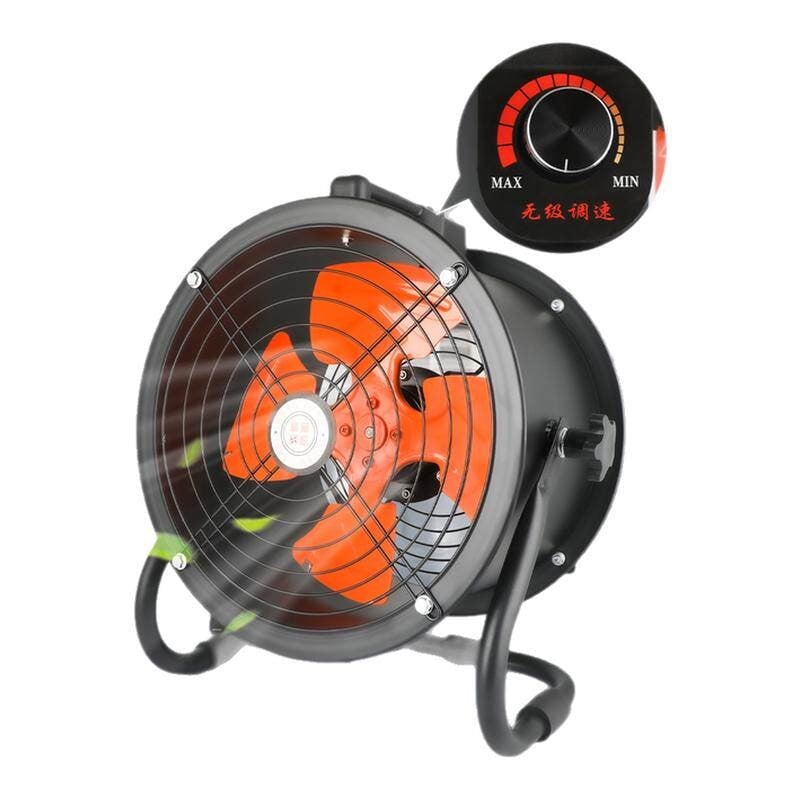
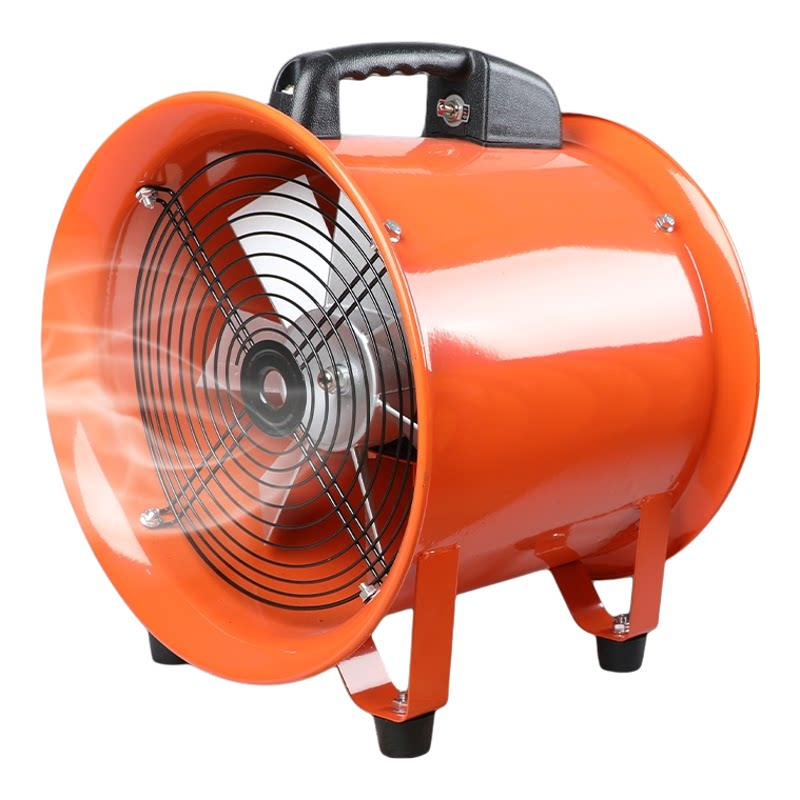
The portable axial flow fan is a gas blower option for short-term air flow in a work area. Its product page says it can link to a telescopic air duct. Its listed flow reaches 10,000 m³/h. Give the duct length and the space size when you ask about this gas blower. Those facts help show if the unit fits the task.

The aluminum blade axial fan is listed at 39,000 m³/h for tobacco curing. It is a high-flow fan for its stated use. It is not proof that it will fit every gas blower job. Check the air path, heat, and install plan. If the duct has high load, a high-flow axial fan may not be the right gas blower choice.

Use the Right Gas Blower Type

The oil-free vortex blower is the main catalog gas blower option for aeration and process air. Its record says it can blow or suck air. It has a listed top pressure of 90 kPa and a listed top flow of 1,200 m³/h. This gas blower may fit a clean-air task within those stated limits. The record does not prove fit for fuel gas, harsh gas, or a risky work area.

  • Use a portable axial gas blower option for mobile air flow and a duct link.
  • Use the large axial fan for its stated drying air job when high flow is the main need.
  • Review the vortex gas blower for oil-free air or aeration within its listed range.
  • Review the 9-19 centrifugal fan for a gas blower job with high duct load.

Read the Product Limits

The listed 9-19 centrifugal fan has clear limits on its product page. It is for non-corrosive and non-self-igniting air or gas. The medium must not have sticky matter. Its stated heat limit is 80°C. Its stated dust limit is 150 mg/m³. These facts are for that product. They are not a rule for each gas blower in the list.

Send the gas type, heat, dust, duct plan, and work mode with a gas blower request. Say if you need push, pull, or both. Add the inlet and outlet size. Add the power supply and the room for the unit. A gas blower check is more useful when it uses these real job facts.

Send Facts for a Gas Blower Quote

For a gas blower quote, give flow, pressure, medium, heat, power, duct size, and run time. Add a photo or a simple plan if you can. Say if you need a mobile fan, a fixed fan, an oil-free blower, or a high-pressure fan. The catalog has nearby electric gas blower options, not one item for all needs. A clear duty point helps the supplier find a documented fit and avoid a poor match.

Gas Blower Buyer Questions

Short answers on catalog scope, load, fit, and quote details.

Do you list a gasoline-powered gas blower?

The current catalog lists electric industrial fans, centrifugal fans, and vortex blowers. It does not list a gasoline leaf blower or another fuel-engine gas blower. If you need a unit that moves air in an industrial job, send the duty point. The team can then review the available electric product range. Do not treat a listed industrial fan as the same thing as a fuel-powered outdoor tool. The name gas blower can cover very different products.
For a gas blower job with high duct load, a centrifugal path is the relevant catalog option to review. The listed 9-19 high-pressure centrifugal fan has a published top total pressure of 9,200 Pa. The final gas blower choice still needs the full system facts. Include duct length, bends, filters, flow, medium, heat, and the needed work point. A top pressure figure alone is not enough for a sound match.
The listed vortex blower is an oil-free unit for aeration and process air. It can blow or suck air within the stated product range. That does not mean it is fit for all process gas. Fuel gas, corrosive gas, combustible mixes, and risky sites need a separate check. Send the gas type, heat, pressure, dust level, and site details. This lets the supplier decide if an available gas blower is a valid option.
Send the required flow, pressure, air or gas type, heat, voltage, duct size, duct length, and use case. State if the gas blower must push, pull, or do both. For a mobile job, add the work area and duct need. For a fixed job, add filters, bends, and run time. These facts help identify if a portable axial fan, a large axial fan, a vortex blower, or a centrifugal fan is the closest gas blower option.

Get a Free Quote

Our representative will contact you soon.
Email
Mobile/WhatsApp
Name
Company Name
Message
0/1000