Define the Craftsman Blower Need
A craftsman blower search can mean a brand, a cleanup task, or a need to move air. ZICHENG is not linked to the Craftsman brand. It does not offer branded parts or claim product compatibility. This craftsman blower page is for industrial buyers who need to turn a broad search into clear air-moving requirements. A craftsman blower request should name the task before a model is considered.
Start with the job. Are you bringing fresh air into a work area? Are you pulling fumes out? Are you drying a room? Are you feeding air to a process? Or are you moving air through a long duct? These jobs use different blower types. A craftsman blower name alone cannot set the right model. The same craftsman blower search phrase can describe very different duties.
For every craftsman blower inquiry, note the space size, duct length, bends, filters, power supply, air temperature, and air conditions. Also state the airflow target and any pressure need. These facts make a craftsman blower model discussion faster and more useful. A clear craftsman blower brief prevents a poor category match.
Use Axial Fans for Air Volume
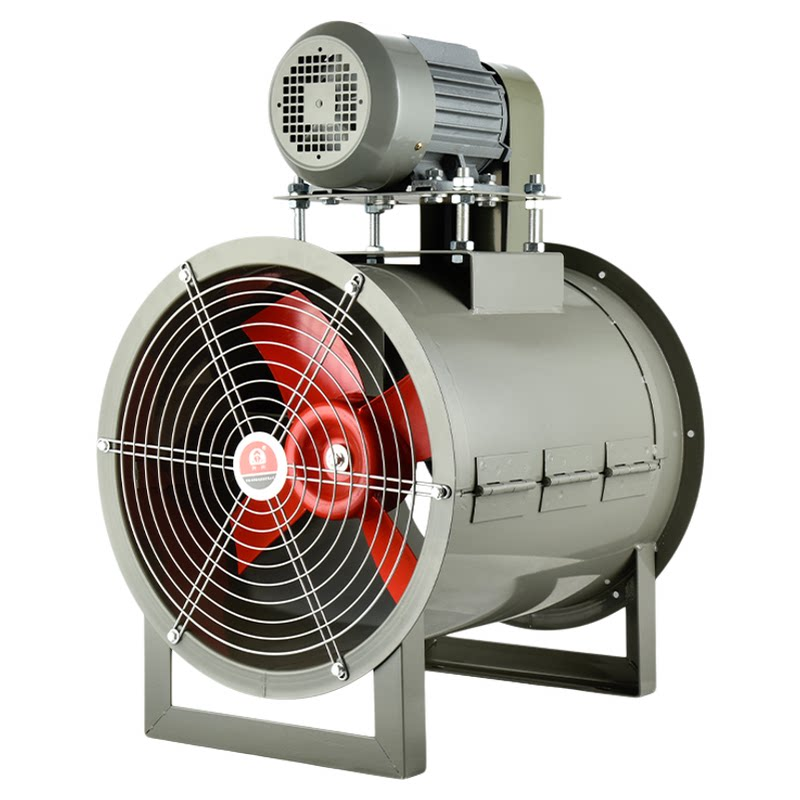
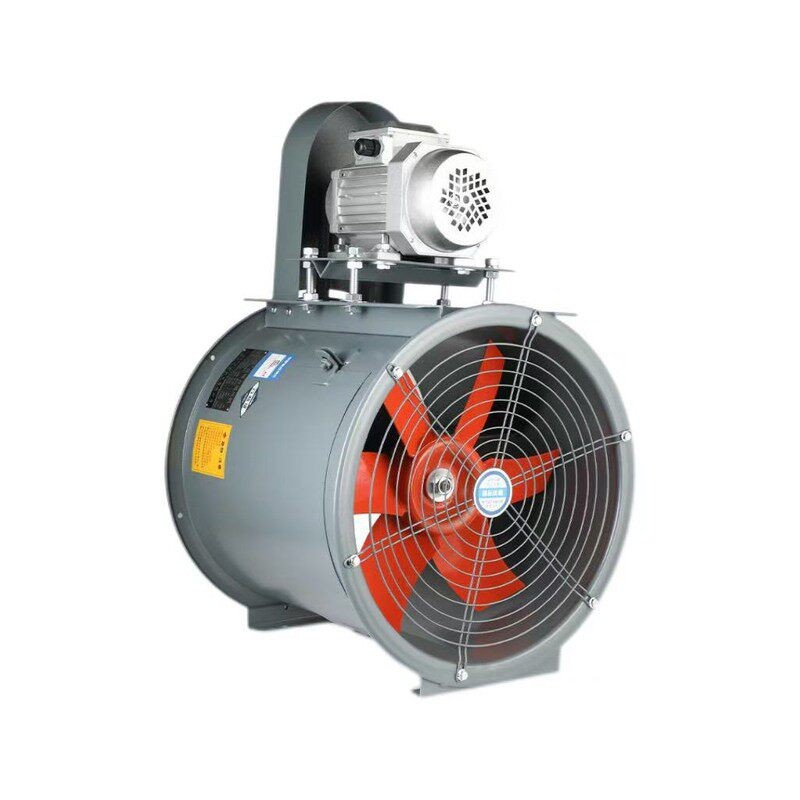
Axial fans move air in the same direction as the shaft. They are often used when a job needs broad airflow and the air path has limited resistance. The portable axial flow fan in this catalog is for confined-space ventilation and can connect to telescopic air ducts. Its listed CTF models cover 3,000 to 10,000 m³/h. For a craftsman blower search that involves temporary air movement, this is one industrial category to review.
- A portable axial fan can suit temporary work areas and changing site layouts.
- Check duct length and turns before using a free-air airflow figure.
- Confirm the work rules when ventilation supports a controlled operation.
For larger drying areas, the catalog also includes an aluminum-blade axial fan with a title that lists 39,000 m³/h for tobacco curing. It is not a universal craftsman blower replacement. It shows why volume, mounting, and work conditions matter in any craftsman blower comparison. A buyer should still confirm the real site conditions.
Use Centrifugal Fans for Duct Resistance
Long ducts, elbows, filters, and hoods slow the air. In these cases, airflow volume is only part of the choice. The 9-19 high-pressure centrifugal fan is the catalog option for pressure-heavy industrial work. Its record lists up to 9,200 Pa. It also says the air should be non-corrosive, non-self-igniting, and free of viscous matter. The stated medium limit is 80°C, and the particle limit is 150 mg/m³.
These limits should guide the selection. Ask for the system resistance, duct layout, dust level, and airflow at the working point. A short, open air path may not need a high-pressure unit. A long duct may reduce the output of an axial model. This is why an industrial craftsman blower inquiry needs site data. A craftsman blower buyer should compare the pressure need before selecting an axial or centrifugal category.
Keep Process Air Separate
The oil-free aluminum alloy vortex blower has a different role. Its record lists both blowing and suction, a maximum pressure of 90 kPa, and a maximum airflow of 1,200 m³/h. It is used for aeration and process air. The product record says that its impeller and pump body have no metal-to-metal friction and need no lubricating oil. That may matter when the air stream should avoid oil.
A vortex blower is not a substitute for a large-room ventilation fan. In the same way, a portable axial fan may not fit a pressure-based process. For a craftsman blower search, separate these needs before asking for a quote. A craftsman blower request for process air should include pressure, flow, run time, inlet conditions, and pipe layout. This makes the craftsman blower discussion more precise.
Send Useful Selection Details
For an industrial craftsman blower request, share the application, airflow target, pressure or duct details, voltage, air temperature, duty schedule, and air-stream conditions. A photo or simple sketch can show access, discharge direction, and mounting limits. ZICHENG can then review which current product family is relevant. This keeps a craftsman blower discussion on the real industrial duty instead of making unsupported claims from a craftsman blower search. A complete craftsman blower inquiry helps confirm if a catalog option is relevant.

 EN