Start With the Job
Axial fan manufacturers need a clear job brief. Start with the space. State if the fan will bring in fresh air, take out air, move air in a room, or help a work step. Give the room size. Give the heat or moisture source. State how long the fan will run. This gives axial fan manufacturers a useful base for a first talk.
Then map the air path. Is the path open? Is there a short outlet? Will the unit use flexible duct? Will there be a long duct run, bends, screens, or filters? These parts can add resistance. An axial fan moves air in line with its shaft. It can be a good starting point for general air movement in an open path. The full system still sets the result.
Compare the Published Types
Axial fan manufacturers may offer more than one product type. The Portable Axial Flow Fan 10,000 m³/h for Confined Spaces is a published mobile option. It is described for confined spaces and use with telescopic air ducts. This can help where a team needs air at a work point and a fixed system is not in place. It does not mean that a portable unit fits each fixed duct system.
The Aluminum Blade Axial Fan 39,000 m³/h for Tobacco Curing is a published axial option for a drying use. Axial fan manufacturers need the drying layout, air goal, heat, and moisture facts before they discuss a fit. A rated air number does not show how air will reach each part of a room. Ask how the air will move through the load and how the site is laid out.
Check Resistance Before You Choose
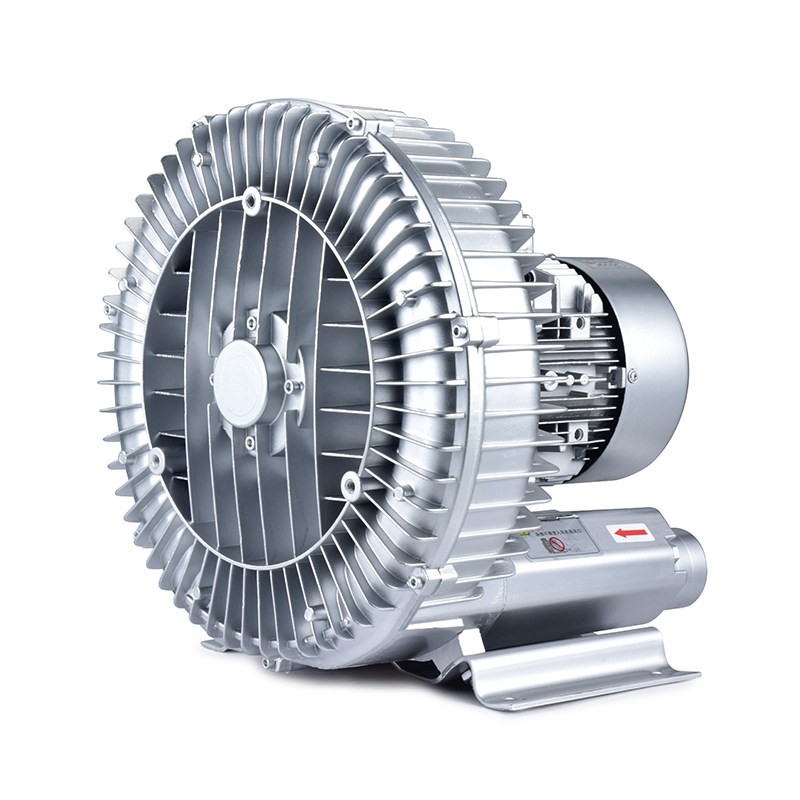
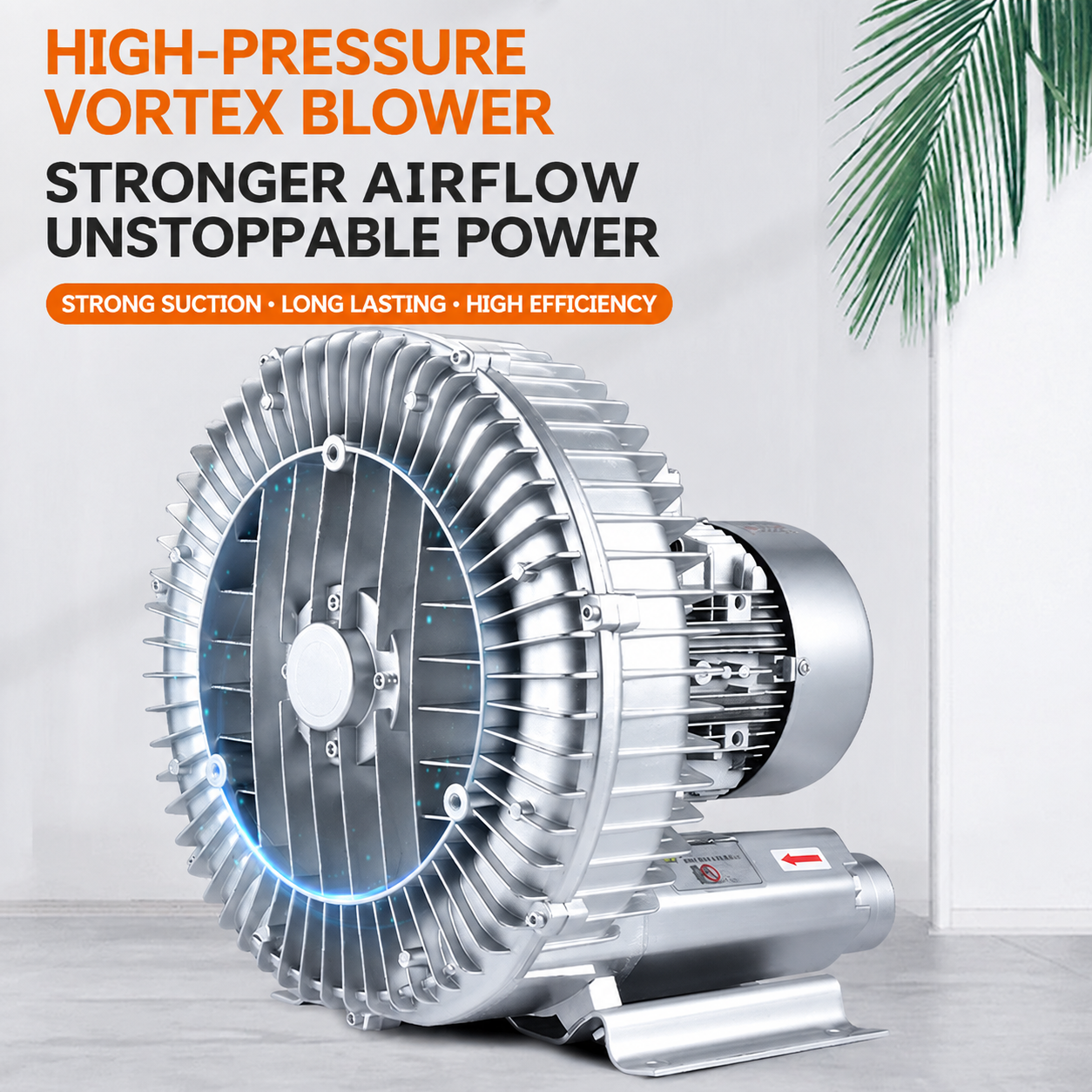
Axial fan manufacturers should not force an axial choice into a job with high resistance. A long duct, many bends, or a filter can change the duty. The published 9-19 High-Pressure Centrifugal Fan 9,200 Pa for Forging is a different category for high-pressure work. The Oil-Free Aluminum Alloy Vortex Blower 90 kPa for Aeration is a process-air option for aeration. These products are not axial fans.
Use the product type that fits the job. Axial fan manufacturers can review an open or low-resistance air path. A centrifugal fan can be worth a separate review for a resistance-heavy system. A vortex blower can be worth review for the listed aeration role. This category check can prevent a poor match at the start.
Send Useful Data With an Inquiry
Axial fan manufacturers can give a better first response when an inquiry has real site data. Share the air volume needed. Share the power supply. State the mounting style. Give the duct size and length when ducting is planned. List bends, filters, grilles, and any other part in the path. Include photos or a simple drawing when space or access may affect the setup.
- State if the unit is for fresh air, exhaust, air mix, or a process step.
- State if the unit is fixed, portable, wall-mounted, or used with flexible duct.
- State the site conditions, such as heat, moisture, dust, or vapors.
- State the local voltage and frequency before product comparison starts.
Use Clear Fit Boundaries
Axial fan manufacturers should state what a published product can and cannot cover. A portable fan may suit short-term or access-limited work. It may not suit each fixed layout. An axial fan may fit a more open air path. A centrifugal fan may need review when resistance is high. A vortex blower has a separate process-air role. These are useful boundaries, not limits to hide.
Ask axial fan manufacturers for the catalogue record and product details that support the proposed fit. If your need is not in the published range, state the gap. Do not assume it is part of the offer. Send the duty point through the inquiry form. This lets Taizhou Zicheng Electromechanical Co., Ltd. discuss the request using your actual site facts.
Axial fan manufacturers need the air goal. Axial fan manufacturers need the site layout. Axial fan manufacturers need the duct facts. Axial fan manufacturers need the power details. Axial fan manufacturers need the operating conditions. Axial fan manufacturers can then discuss a published model. Axial fan manufacturers can also flag when another category needs review.
Plan the Next Talk
Give axial fan manufacturers the project goal, the site facts, and the preferred install style. Say if the need is general air movement, confined-space access, drying air, aeration, or a high-pressure task. This makes the next talk more direct. It also helps axial fan manufacturers separate an axial request from an adjacent blower or centrifugal request.

 EN