Primum Punctum Officii Constitue
Industrial roof exhaust fans should start with the job, not a nameplate flow number. The job may be room air change, heat removal, fume capture, or dust control. Write down the flow needed at the pickup point. Then map the full path to the roof. Include hoods, branches, ducts, filters, dampers, and the roof outlet. Industrial roof exhaust fans work at a point set by both flow and pressure.
Ask for the pressure loss at the required flow. A fan can move a lot of air in free air. It may move less air once a long duct and filter are in place. This is why industrial roof exhaust fans need a system curve check. It is also useful to allow for filter loading if the system has filters. Industrial roof exhaust fans should have a stated flow and pressure target. Industrial roof exhaust fans need a duct route that is easy to review. Industrial roof exhaust fans may need a filter-loss check. Industrial roof exhaust fans should be matched to the operating point.
Keep the Product Boundary Clear
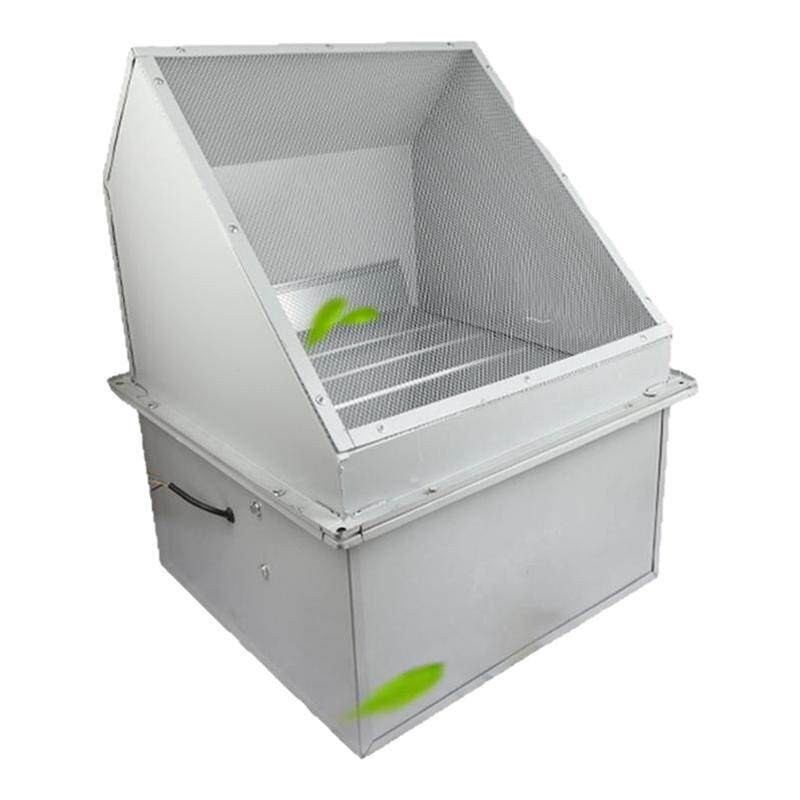
Producta in hac pagina sunt optima centrifugalia publicata. Non venduntur hic ut unitates exactae ventiliatorum tectorum. Ventilatores exhaustivi tectorum industrialium fortasse indigent tegmine meteorologico, dimensio cuneiformi, via defluentis, forma foraminis, positione motoris, et accessu tutelari ad servitium. Haec tectorum particularia separatim examinanda sunt, praeter data pressionis ventilatoris.
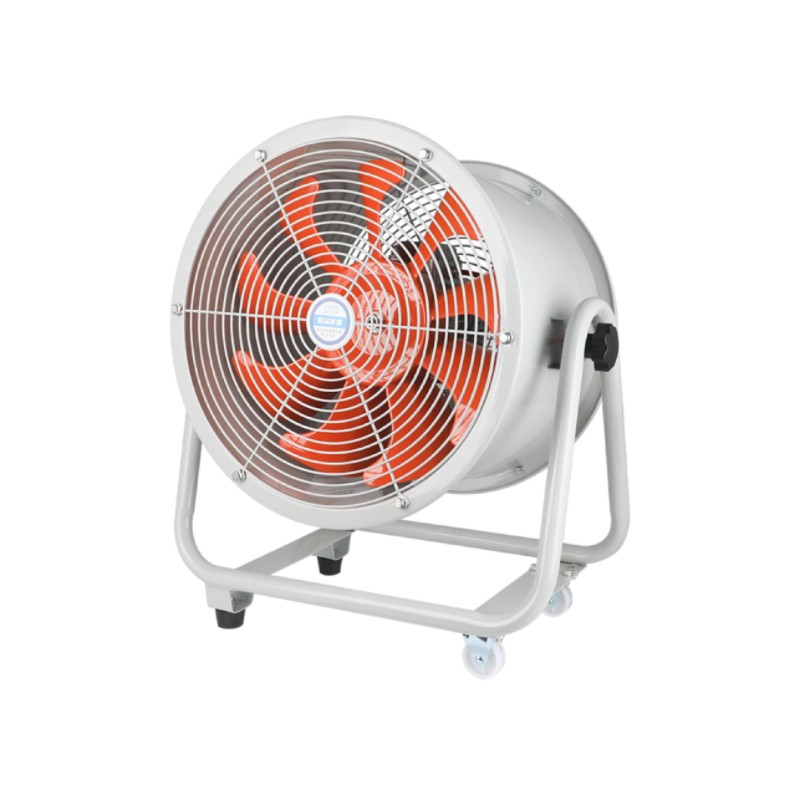
- Ventilatores exhaustivi tectorum industrialium cum brevi via aperta formam axialem uti possunt, si curva ad punctum officii convenit.
- Ventilatores exhaustivi tectorum industrialium cum ductibus longis aut filtris fortasse optionem centrifugalem exigunt, quia pressio momenti est.
- Non eligas gradum pressionis altissimum per se. Curvam ad systema reale accommoda.
- Antequam materiam carcassus eligeris, aerem, locum, et dispositionem tectorum inspice.
Aerem ad orificium ventilatoris inspice
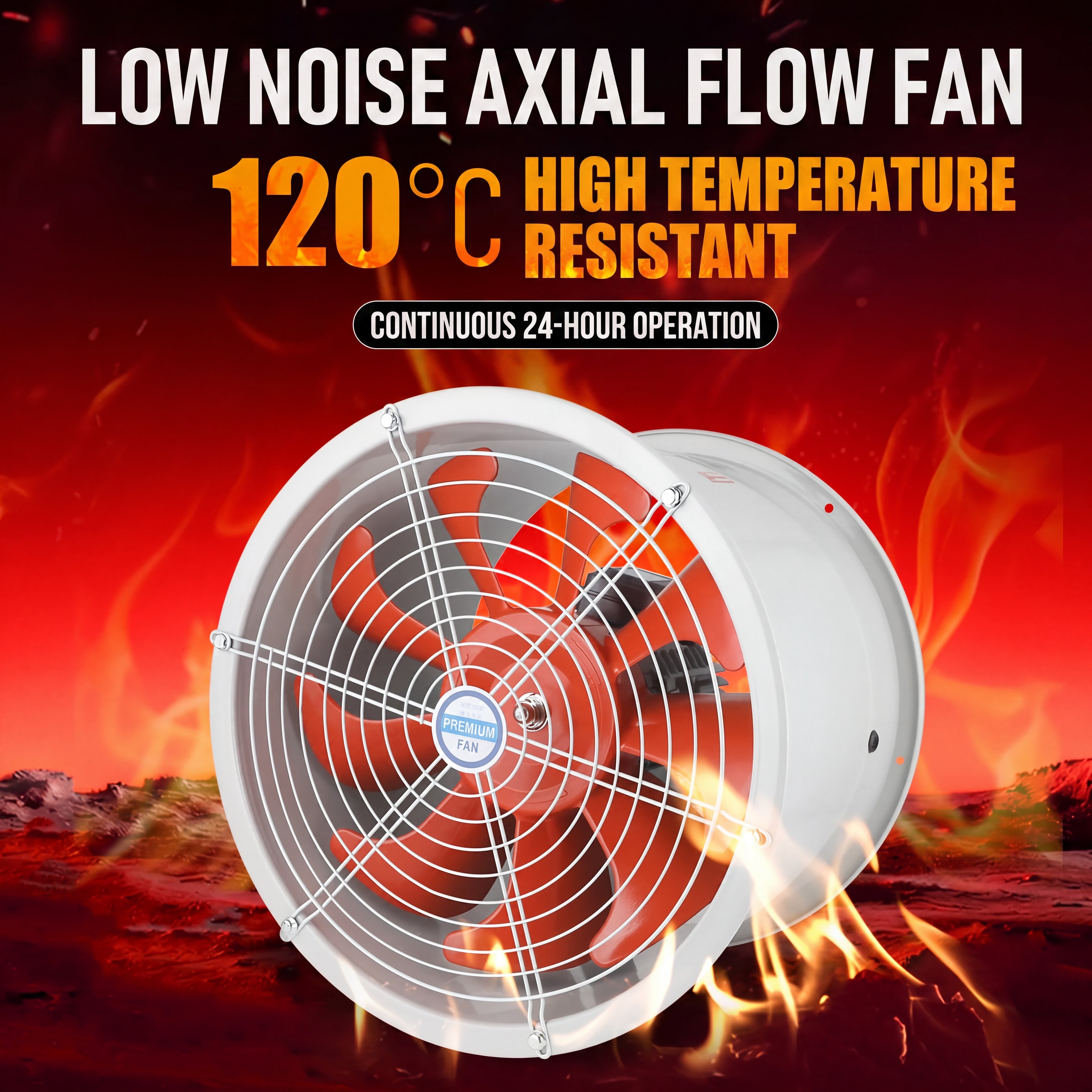
Ventilatores exhaustivi pro tectis industrialibus debent ad aerem quem movent aptari. Producta 4-72A enumerata indicant calorem maximum gasis 80°C. Etiam indicant limitem pulveris et particulae durioris 150 mg/m³. Limis aeris declaratus est gas non auto-ignibilis et non corrosivus. Ventilator 4-72A ex accipitro inox 304 fabricatus est pro usu declarato. Adhuc opus est recensio aeris, caloris et pulveris.
Opus in tectis plures inspectiones addit. Observa pluviam, ventum, vias depluviarum, calorem motoris, vibrationem et accessum ad servitium. Ventilatores exhaustivi pro tectis industrialibus non sunt solutio automatica pro vaporibus inflammabilibus, explosivis aut ignotis. Tale opus applicationem recensendam postulat. Ventilatores exhaustivi pro tectis industrialibus recensendi sunt pro aere quem tractant. Ventilatores exhaustivi pro tectis industrialibus inspiciendi sunt in loco ubi aer est calidus aut humidus. Ventilatores exhaustivi pro tectis industrialibus non utendi sunt pro vaporibus ignotis sine recensione.
Utere Curvam Ventilatoris
A simple duct sketch is useful for industrial roof exhaust fans. Show duct size, run length, elbows, changes in size, hood, filter, and roof exit. This makes it easier to see if the problem is flow or pressure. Added bends and dirty filters can raise drag after a system is built.
The 4-72A records list up to 2,500 Pa and up to 20,000 m³/h. The 9-19 and 9-26 records list up to 9,200 Pa and up to 7,000 m³/h. These are limits in separate records. They do not mean one model makes both limits at the same point. Industrial roof exhaust fans need a check of the proposed curve, motor, and power supply. Industrial roof exhaust fans need a curve check before a buyer approves the fan. Industrial roof exhaust fans should have the right motor and power supply. Industrial roof exhaust fans need a clear install plan.
Send Complete Project Details
Bonae data faciunt ut rogatio pro ventilatore exhaustorio industriali in tecto magis utilis sit. Mitte fluxum necessarium, pressionem destinatam, schemata ductuum, calorem aeris, gradum pulveris, umorem, voltationem, frequentiam et limites tecti. Indica si opus est examinatio modello normali aut disceptatio modello anormali. Taizhou Zicheng Electromechanical potest examinare particularia de fluxu, pressione, materia et voltatione antequam via producti tractatur.

 EN