Define the 4 Inch Extractor Fan Duty
A 4 inch extractor fan search often starts with the duct connection. That is useful, but it is not the full duty. Ask what the 4 inch extractor fan must move. It may remove warm air, moisture, vapor, or air from a small enclosure. Note the room size and the run time. These facts help separate a compact task from a larger ventilation job.
Measure the opening, the duct inside diameter, and the route to the outlet. A 4 inch extractor fan should not be selected only because one part of the system is four inches wide. A grille, screen, reducer, or flexible duct can reduce free area. Record these parts before you compare a 4 inch extractor fan.
Trace the Duct Route
Air loses pressure as it moves through ductwork. Every long section, bend, damper, filter, and outlet adds loss. A 4 inch extractor fan must work against the whole route. The rated flow on a listing may not match the flow at the end of a restrictive system. This is a system issue, not always a fan fault.
- List the straight duct length for the 4 inch extractor fan.
- Count elbows, tees, reducers, dampers, grilles, and filters.
- State if the outlet is open or linked to another system.
- Note grease, dust, or moisture that can build up in the duct.
Use gentle bends where possible. Do not add a restrictive part without noting its effect. A filter or guard may be needed, but it still affects the 4 inch extractor fan duty. This simple record helps a supplier review the route.
Match the Fan Type to the Route
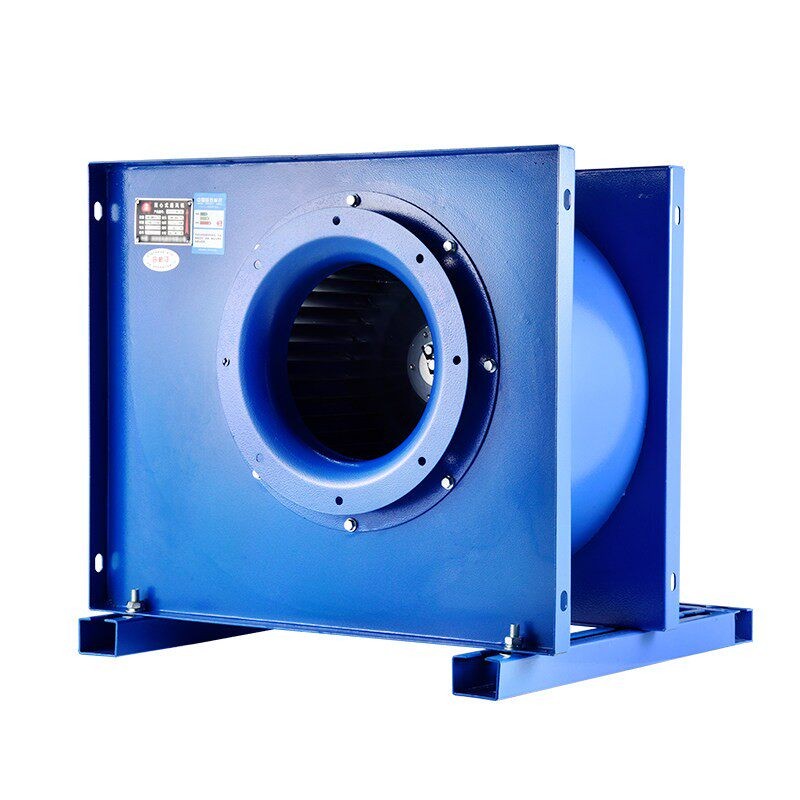
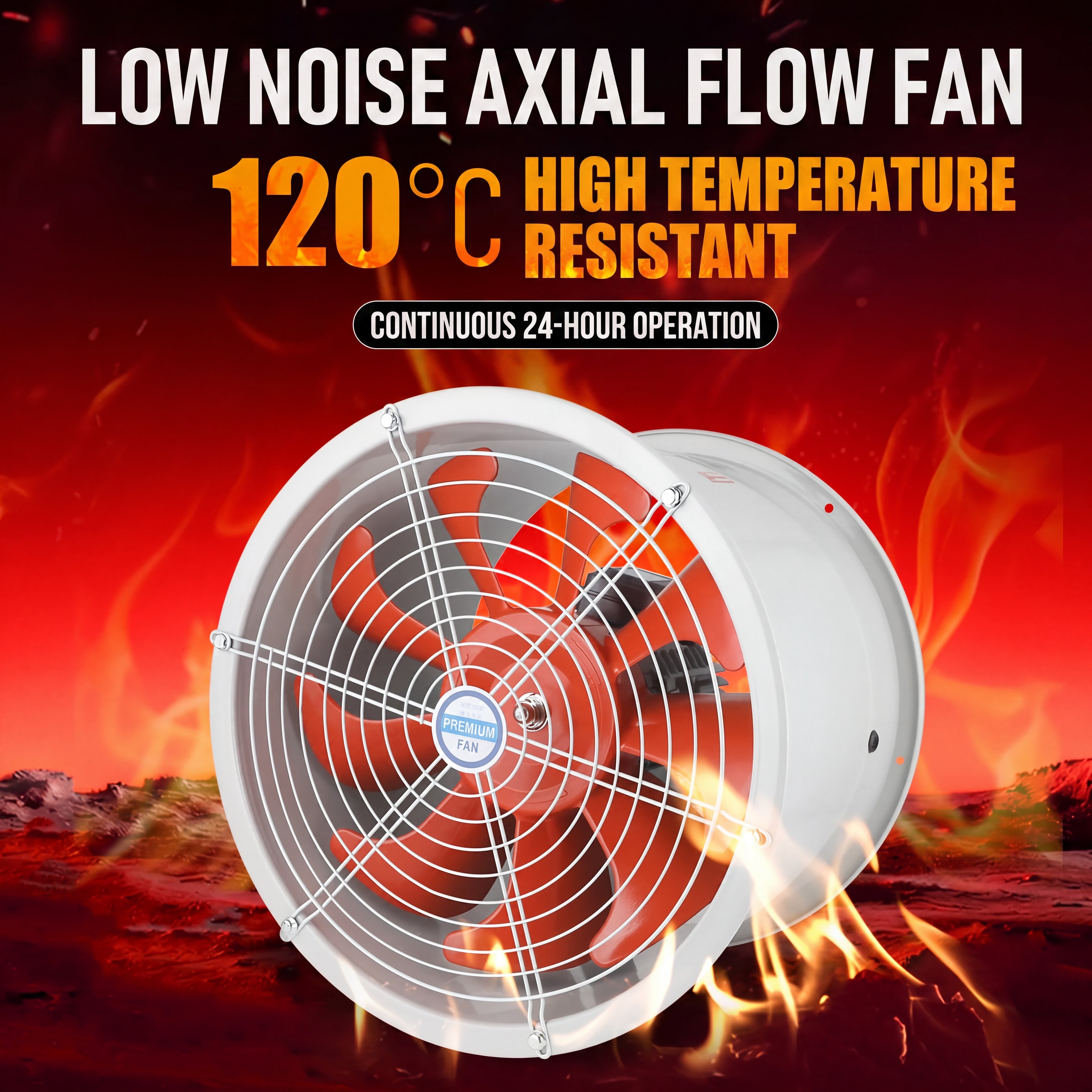
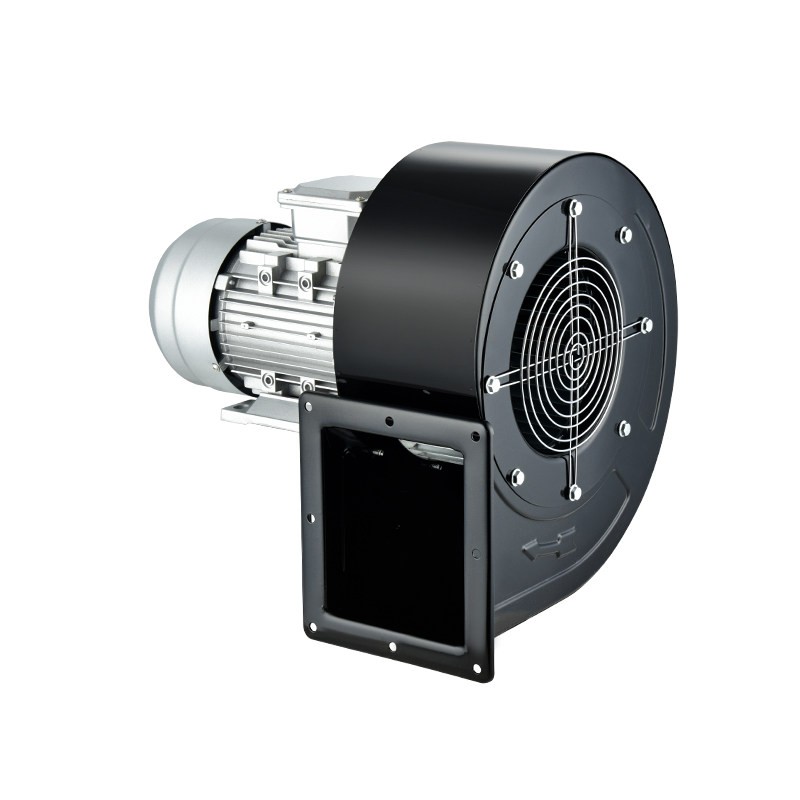
Axial fans are often used for direct air movement through a short path. A 4 inch extractor fan may use this approach when the system has low resistance. A centrifugal option can be worth a review when the path has more duct, turns, or filtration. In that case, pressure at the required flow matters more.
The published items on this page are industrial axial and portable axial models. They are closest available records, not 4 inch extractor fan models. The stainless steel axial product is listed for drying rooms. The aluminum blade axial product is listed for tobacco curing. The portable axial product is listed for confined spaces and telescopic ducts. Use them to discuss product types, then confirm the exact 4 inch extractor fan duty and size.
Inspece Conditiones Operis
Air conditions matter. Tell the supplier if the air is clean, warm, wet, oily, dusty, or corrosive. Also say if the motor is in the air stream. These details can affect the material, guard, cleaning access, and fan type. A 4 inch extractor fan for a dry room is not the same as one for warm or wet air.
Drying work can involve heat and humidity. A confined area may need portable equipment and duct that reaches the work zone. Those jobs have different needs. Describe the medium and the conditions. Do not rely only on the 4 inch extractor fan label.
Trimite detalii clare privind interogarea
A clear inquiry can speed up a 4 inch extractor fan discussion. Add photos or a simple drawing when you can. If the route is short and straight, the review can stay focused on compact extraction. If the route has long runs, heat, or many fittings, ask for an airflow and pressure review.
- Provide the airflow need or the room size and ventilation goal.
- State the duct diameter, material, length, and fittings.
- Describe temperature, moisture, dust, vapor, or grease.
- Confirm mounting position, power supply, and noise limits.
- Say if the 4 inch extractor fan is a replacement or a new installation.
The first inquiry does not need every answer. Good starting data lets a supplier tell if a 4 inch extractor fan is suitable or if the job needs another configuration.

 EN