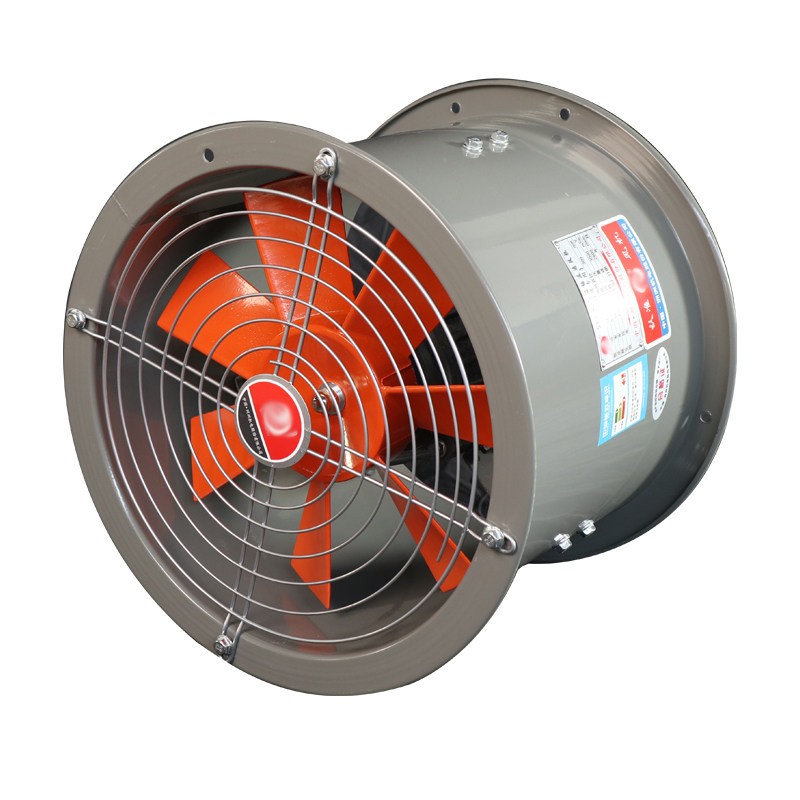
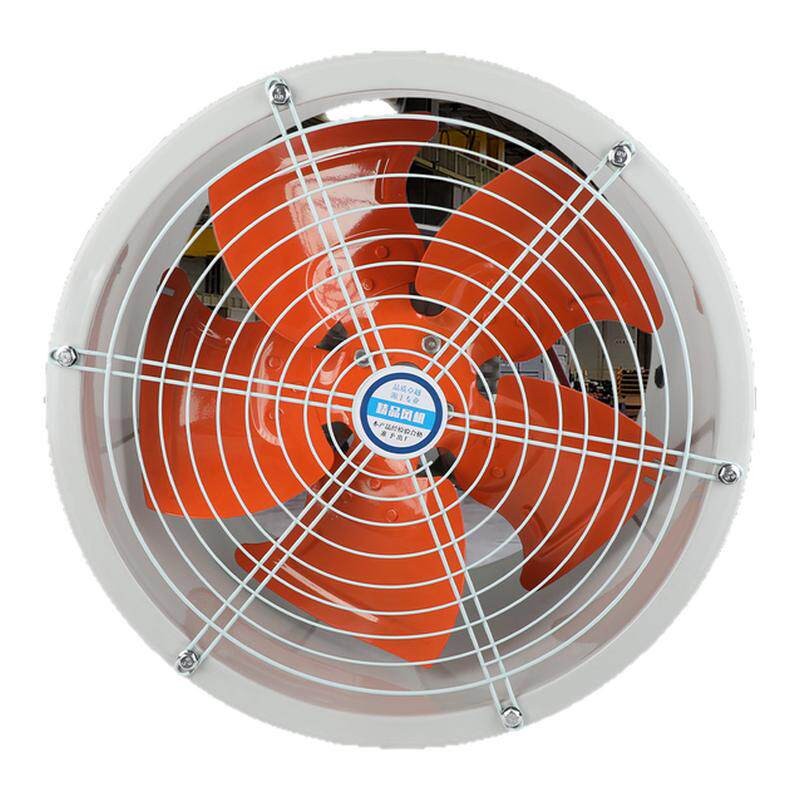
Set the Fan Blower HVAC Duty Point
Start a fan blower HVAC review with two values: required airflow and external static pressure. Airflow is the volume of air the system needs. Static pressure is the resistance the fan must overcome. Use the same airflow point when you calculate pressure. This gives the project team a usable fan system selection target.
List every part of the ducted ventilation route. Include straight duct, elbows, transitions, filters, dampers, grilles, branches, and connected equipment. Each part adds resistance. A long duct with loaded filters does not act like a short open duct. This is why a fan blower HVAC choice should not rely only on the largest airflow shown in a catalog.
Petere schemam ductus antequam petis pretium. Nota orificium inductum, orificium exhaustum, magnitudines ductuum, et coniunctiones praecipuas. Declara utrum unitas ventilatoris HVAC sit pro aere suppeditando, aere exhausto, fumo exhausto, an pro ventilatione generali. Haec particularia faciunt electionem systematis ventilatoris clariorem ab initio. Eiusmodi particularia etiam adiuvant examen ventilatoris HVAC fidele pro ventilatione ductuosa.
Comparare Optiones Ventilatoris HVAC
Producta electa offerunt plures vias pro ventilatione ductuosa. 11-62 et CF-11 sunt optiones ventilatorum centrifugalium multi-alarum pro exhaustu coquinae et ventilatione generali. In eorum registris productorum publicatis notantur usque ad 20 000 m³/h et usque ad 1 000 Pa. Ventilator exhaustus fumi in armario est optio compacta cum pressione statica maxima 1 000 Pa. 4-72A est optio centrifugalis quae in catalogo indicatur usque ad 2 500 Pa pro ventilatione fabricarum et aedificiorum magnorum.
- Elige unitatem candidatam ventilatoris HVAC ex fluxu aëris et pressione necessariis, non ex sola valoratione maxima.
- Verificare che l'aria condizionata sia presente nel record prodotto prima di selezionare un modello.
- Confermare la direzione di collegamento, lo spazio dell'unità e l'accesso ai servizi prima di fissare il layout.
- Confermare tensione, frequenza e alimentazione elettrica per il sito prima dell'ordine.
Utilizzare contemporaneamente una curva del ventilatore e una curva del sistema. Il punto di intersezione è il punto di funzionamento previsto. È più utile di un valore in aria libera. Se il punto previsto non è chiaro, condividere i dati del canale per supportare la selezione del sistema ventilatore. Questo è un passaggio semplice in un controllo HVAC per ventilatori a soffietto destinato alla ventilazione canalizzata.
Tenere in considerazione rumore e installazione
Maggiore pressione non è sempre meglio. Un'unità HVAC a ventilatore grande in un canale fisso piccolo può aumentare il rumore e creare un punto di funzionamento imbarazzante. Un'unità piccola potrebbe non riuscire a erogare aria una volta che filtri e curve aggiungono resistenza. Adattare il ventilatore al punto obiettivo. Quindi verificare il limite sonoro per lo spazio.
The 11-62 record lists a noise level below 65 dB(A). The CF-11 record describes a multi-wing layout and acoustic housing features. Site sound still depends on the duct, mounting, room, and vibration path. Use isolation mounts and flexible connections where the design calls for them. Place equipment away from sensitive rooms when the layout allows it. These steps can matter as much as the fan blower HVAC model.
Check Air Conditions Before Ordering
Check temperature, moisture, dust, and gas type at the fan inlet. These facts can change the proper fan blower HVAC range. The 4-72A record is for non-self-igniting, non-toxic, and non-corrosive-to-steel gases. It lists a maximum gas temperature of 80°C and a maximum particulate level of 150 mg/m³. Check those limits against the actual air stream. Do not treat a standard catalog fan as suitable for corrosive, flammable, or unusual process air without review.
The cabinet smoke exhaust product record lists an IP65 motor plus high-temperature coils and bearings. Those are product facts. The design team must still check the unit against the building design and local requirements. A product page does not replace an engineering review for safety-sensitive duty.
Send Useful Details for Fan System Selection
For a fan blower HVAC quote, send airflow, static pressure, duct sketch, temperature, air composition, location, power supply, and noise needs. State the duty and the planned run time. Note unknown values as well. This lets the supplier discuss fan system selection based on the project rather than make assumptions. A clear request also helps compare the 11-62, CF-11, cabinet smoke exhaust, and 4-72A options in a consistent way.

 EN